Featured


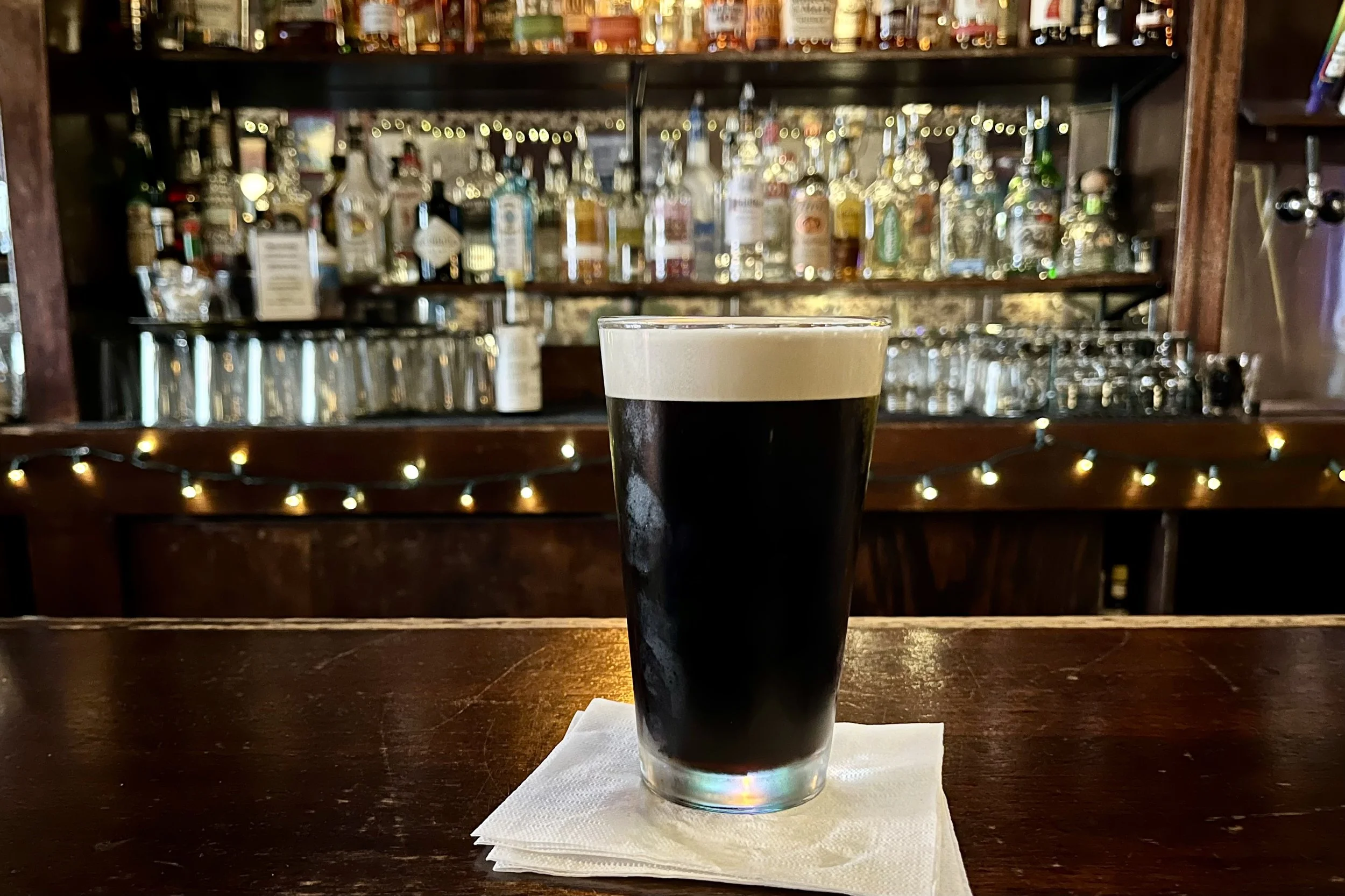

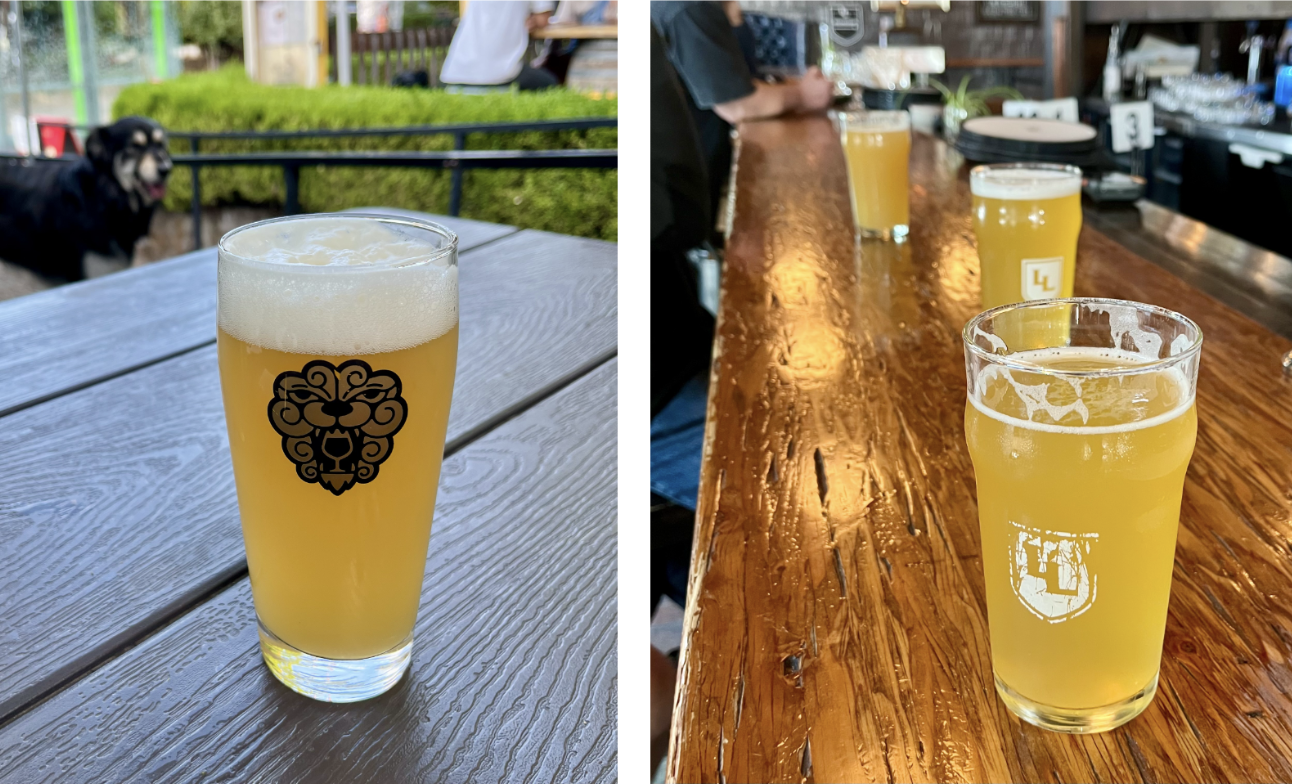








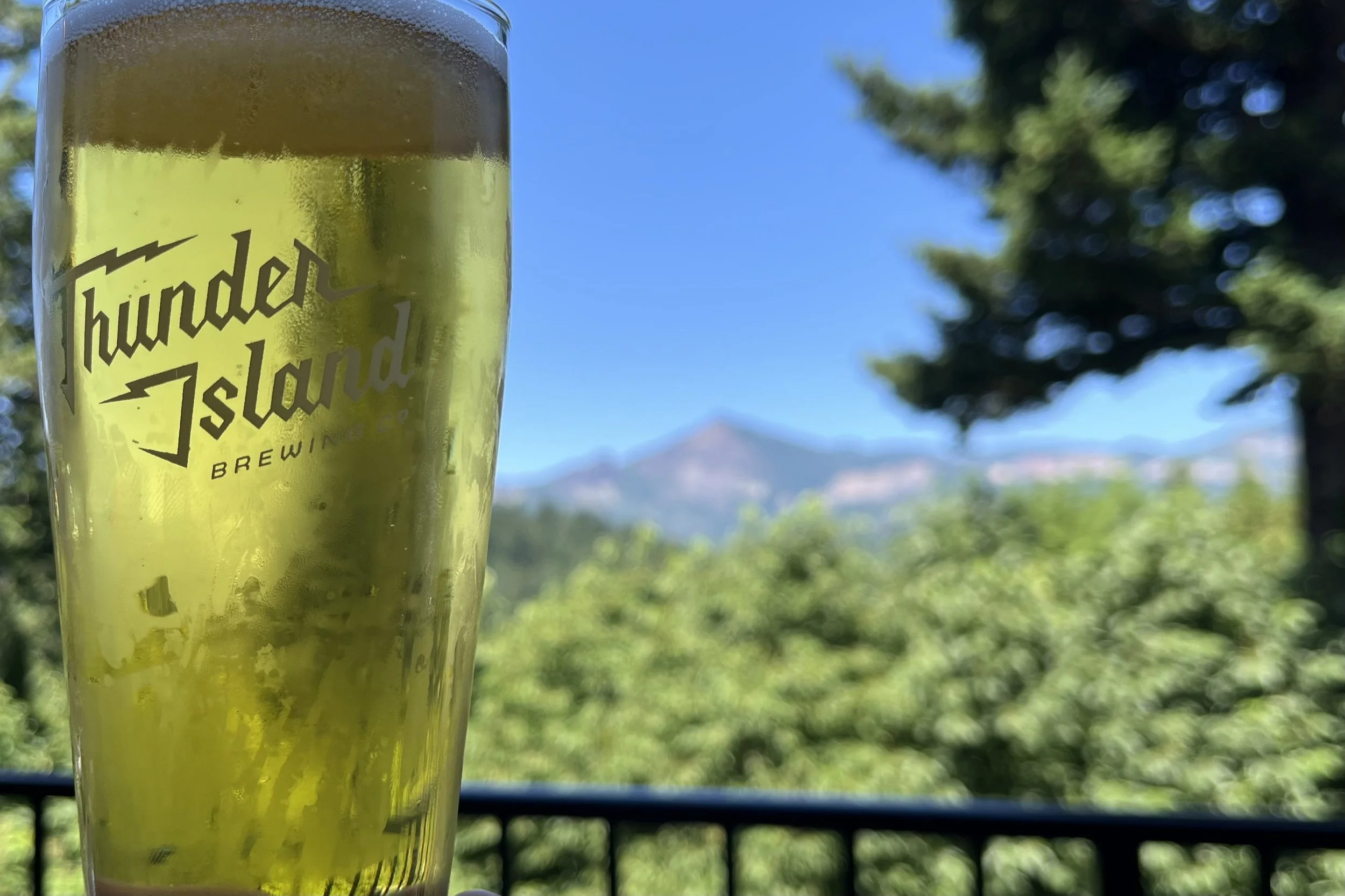
Amid the requisite IPAs, the menu offered a pilsner or a vintage 1990s 4.9% brewpub porter. But on that Wednesday, late into October, I was confused. I should have wanted the porter, because it should have been cold and wet outside. Instead, the sunny day reached the mid-70s.
We like things, like beer, for its own sake. It’s pretty and tasty and fun. But we care about beer—anything, really—because of its story. In fact, our brains are hardwired to understand the world through story. Let’s delve a little deeper to see why.
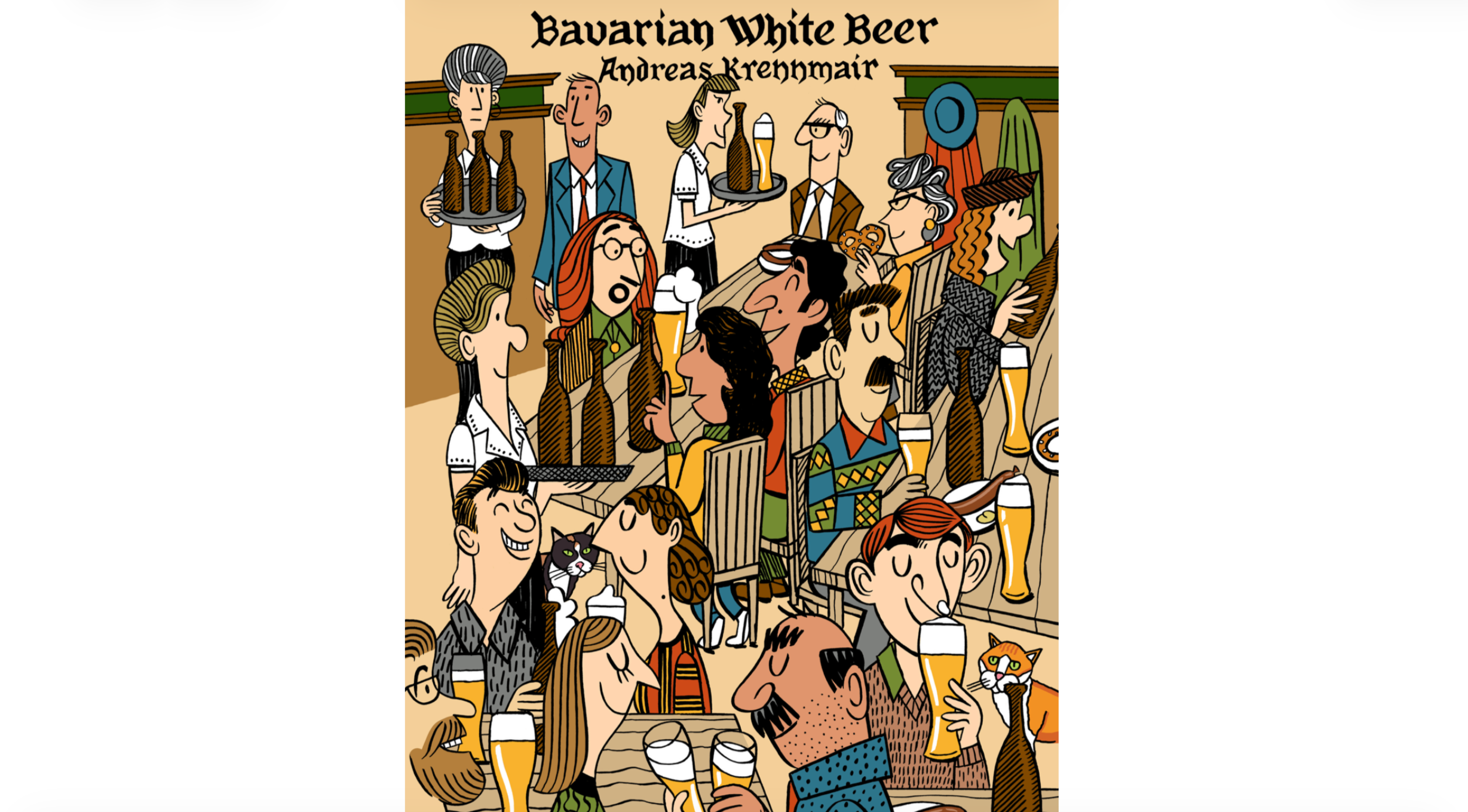
Andreas Krennmair is doing some amazing historical research about Central European beer, and his latest book Bavarian White Beer is a must-read. It corrects many historical errors and adds much detail to the story of this venerable ale.
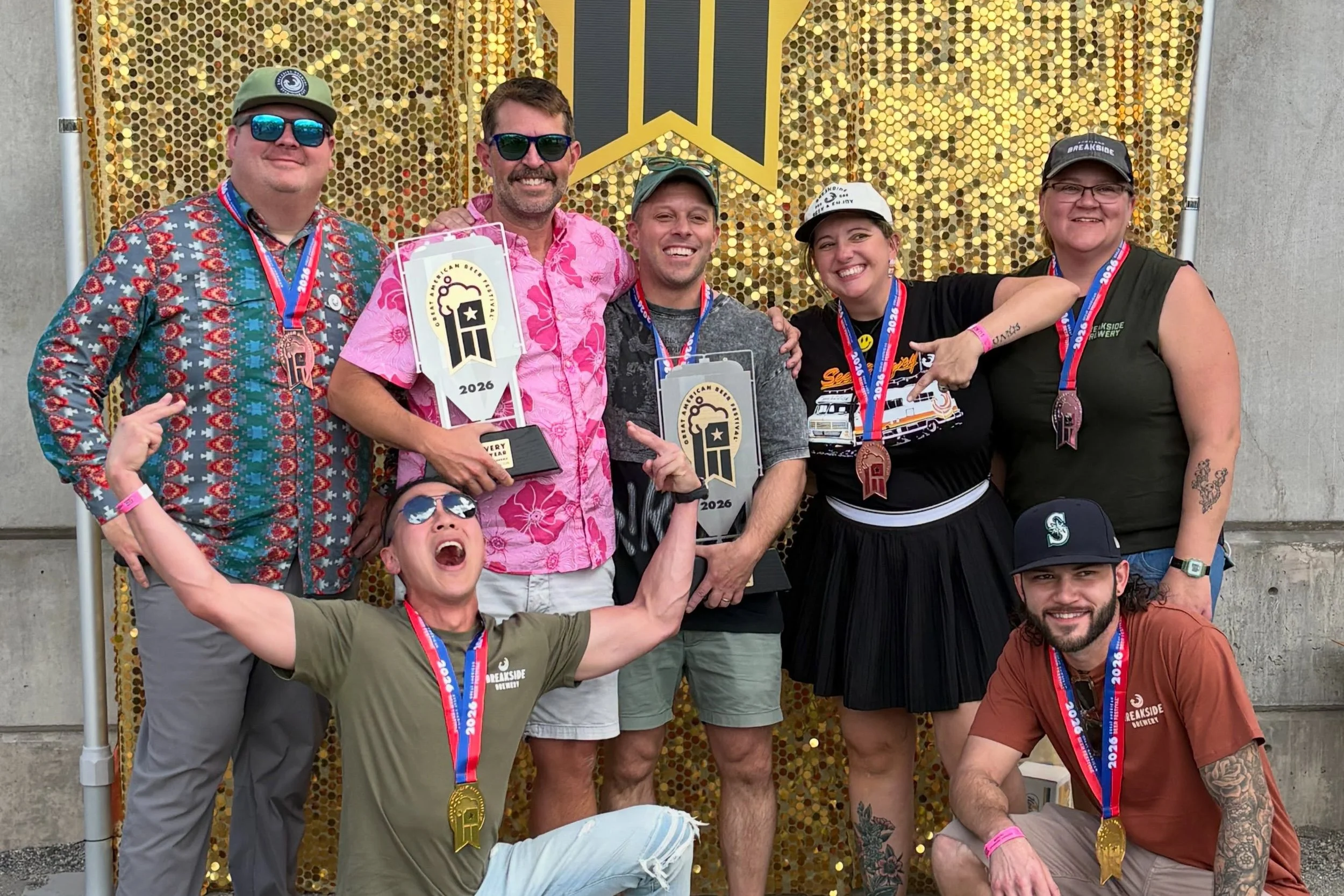
If you are a right proper beer sicko, you already know the GABF announced their 2026 slate of winners yesterday. If you were doing something else and missed the news, I have all the news, with special state-by-state matchups, major category winners, and some home cooking with Oregon’s performance.
Andreas Krennmair is doing some amazing historical research about Central European beer, and his latest book Bavarian White Beer is a must-read. It corrects many historical errors and adds much detail to the story of this venerable ale.
Guinness is making exits, notably from Baltimore. This, along with parent company Diageo’s move to lay off 6.4% of its workforce (“cost-cutting”), has made a lot of news. But they’ve also made a departure that hits in a more personal way. After ten years, Guinness and Beervana have broken up.
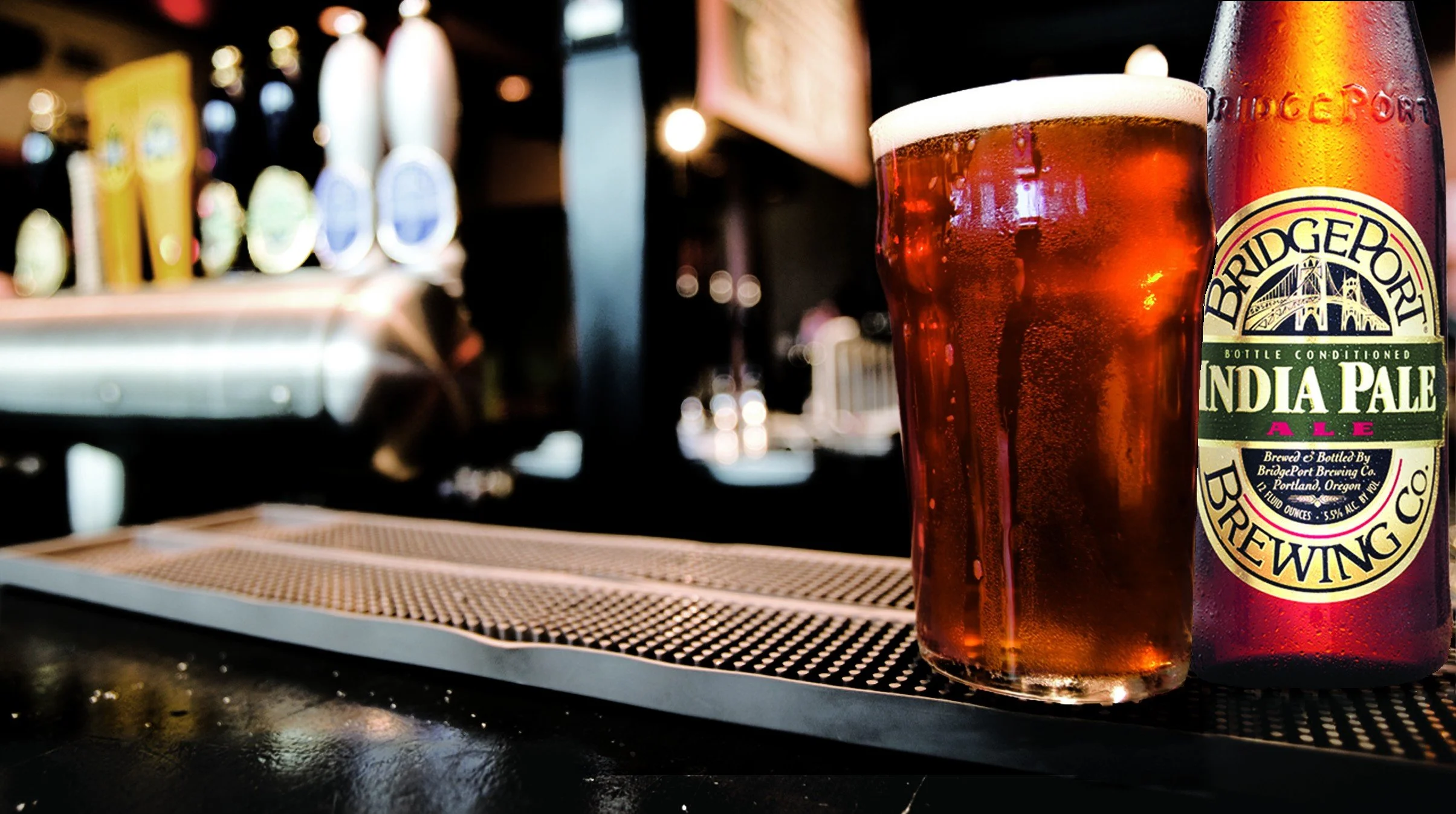
As a follow-up to the podcast on Pliny the Elder and its role in shaping American IPA, let’s remember another landmark beer that debuted 30 years ago. More regional and less buzzy, BridgePort IPA was nevertheless a very important building block in the development of hoppy American ales.
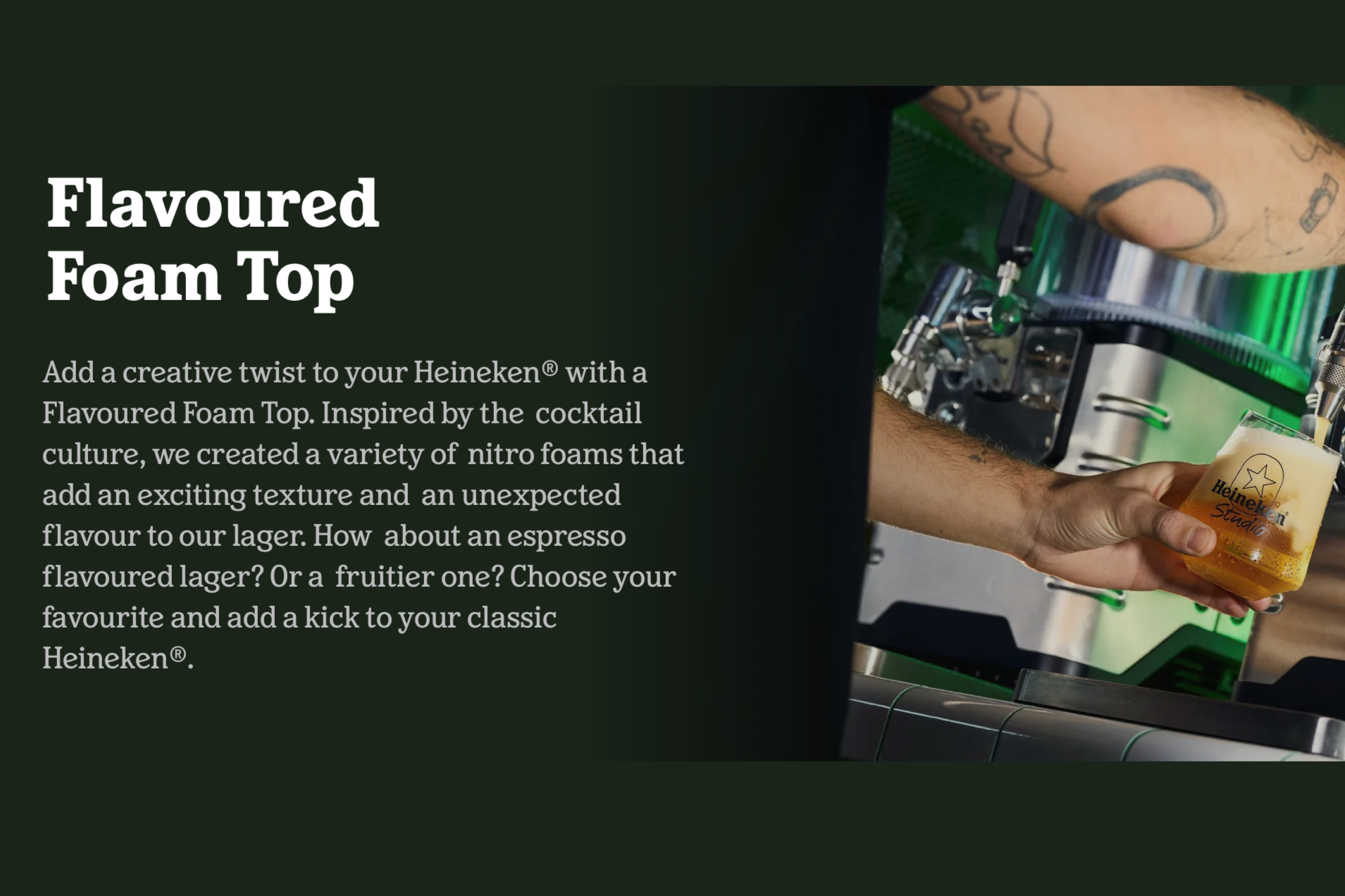
It is difficult to see how using AI to select flavorings to squirt into your beer will make you like beer any more or hate AI any less, but Heineken is determined to run the experiment anyway.
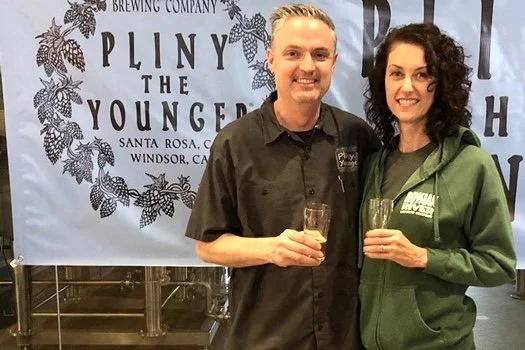
A new episode of the One Iconic Beer podcast is out, with a look at Russian River’s Pliny the Elder. In this post, I describe the story behind the story—the reason I wanted to tell Pliny’s story.
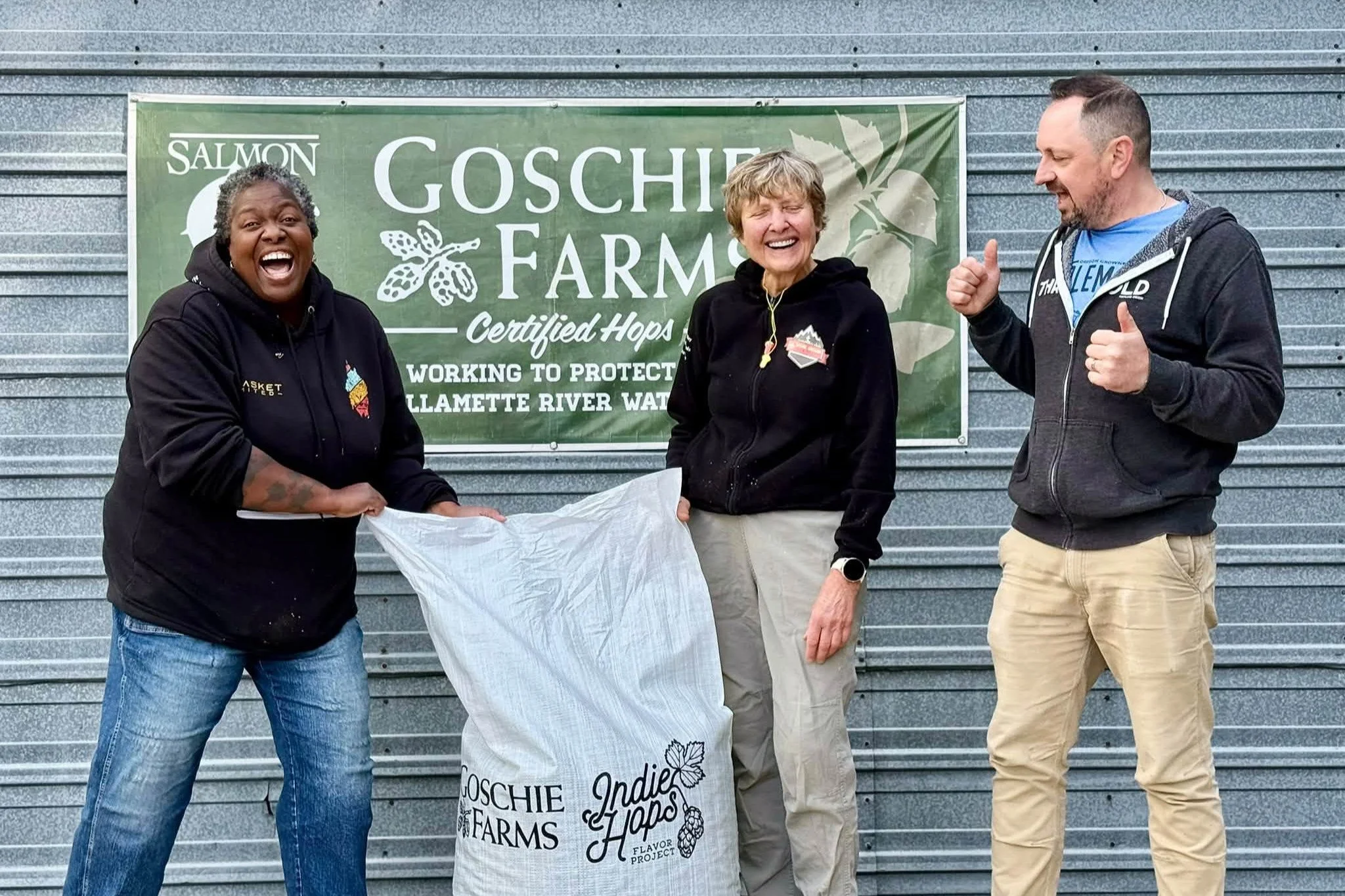
After a slow build-up, this weekend we hit the busiest time in the fresh hop beer calendar. For the intrepid fresh-hop hunters out there, here’s a handy guide about where to find ‘em.
Today we mark 25 years since the attacks on 9/11. Those events had such a massive, society-wide effect that they reverberate in unexpected ways across those decades—even, perhaps, in the beer industry.
The fresh hop beers are out! But wait, is that “green” character diminishing? I try to get to the bottom of things.
Oh those British drinkers; what will they glom onto next? It turns out the answer, which completely escaped my notice, is fruit lagers.
In a previous post, I discussed using an AI tool to edit, design, and lay out a book. The experience gave me a better understanding of where the tool-like advantages of AI reside, and how they affirm rather than refute its dangers. A long post one what I learned.
“Bars would once have been expected to contain pool and shuffleboard tables, the stink of smoke and spilled beer. Prior to craft beer, those regular neighborhood joints were just bars. Now the exact same places are “dive bars.” In the 21st century we also have “wine bars.” See how a modifier changes everything?”
On the latest episode of One Iconic Beer, we tackle the most influential beer ever made, and the brewery that’s still brewing it in Southwest Bohemia.
There’s an old saw that goes like this: while you can hide faults in many beer styles, pilsners are hard because they expose every flaw. In one very narrow sense this may be accurate, but it leaves much to be desired as a general thesis.
Yesterday Trap Door Brewing hosted US Speaker of the House Mike Johnson at a political rally for Republican House candidate John Braun. The reaction on social media was spicy.
Did you know there were two Kona Breweries? Both make Big Wave and Longboard Lager. Both have the same evocative island art and the same motto (“liquid aloha”). Yet the original one on the Big Island is now independent and has nothing to do with the stuff made on the mainland.
I co-published a book! It’s not about beer, but the back story is something you may find interesting. Indeed, you may even find the book interesting!
While I’m away from the computer, I’m posting material from the archives. Today we have a visit I made to Rodenbach fifteen years ago.
Quick, what’s the most iconic ‘90s-era Wisconsin beer, launched by a craft brewery that is the inheritor of the state’s famous local brewing tradition. If you said Spotted Cow, you got the right brewery, but today we’re talking about an even more influential beer.
The iconoclastic and widely beloved Alan Sprints of Hair of the Dog brewing died last night at 66. It is a huge loss not just for the industry, but for so many whose lives he touched. We’ll miss him so much.
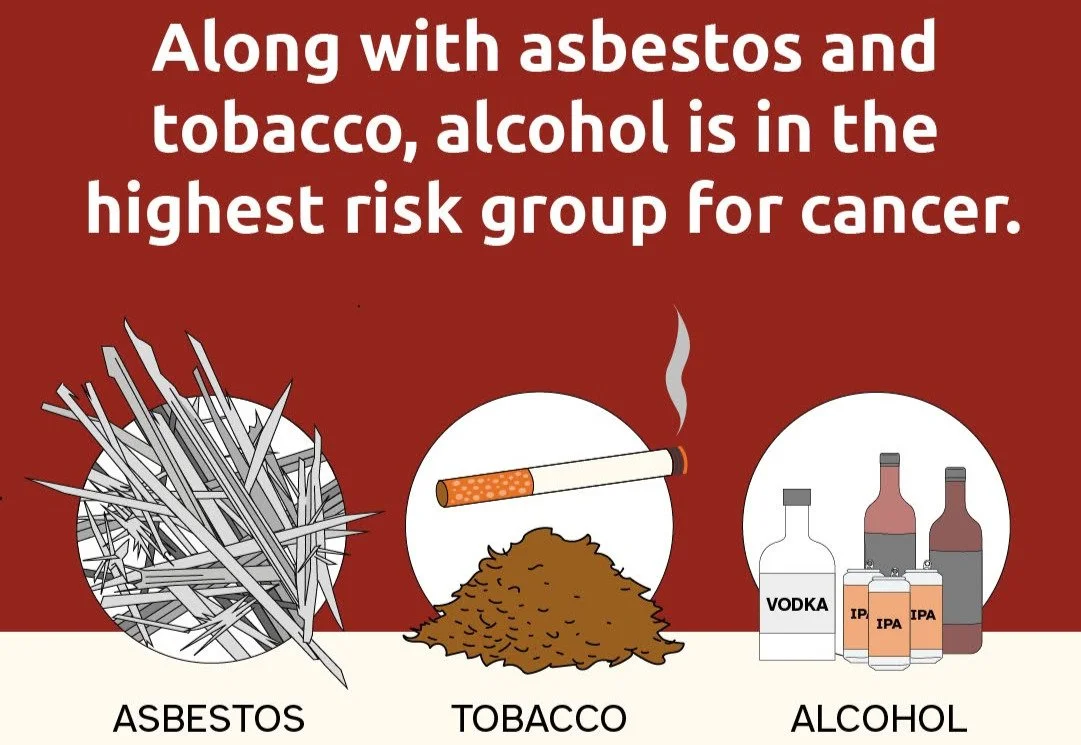
The Oregon Health Authority, under the auspices of their Rethink the Drink campaign, is out with a new social media spot that equates alcohol and asbestos. For a project that claims to only be interested in promoting drinking moderation, this seems pretty immoderate.
Today you get three small bites that may make a meal.: sad news about the sunset of the best deal in beer, good news about Americans’ view of beer, and a cool gadget that seems like all upside for breweries.
Brewers call them a lot of different things—hoppy lagers, WC pales, WC pilsners, but they have a lot in common. Lean bodies, crisp finishes, and modern tropical aromas and flavors. The names might be different, but it’s an emerging “style,” and I think it’s going to be a winner.
An annual celebration of the independent breweries that paradoxically both preserve old traditions and invent new ones, along with a special semiquincentennial consideration of beer’s role in American life. Plus a possibly controversial list of the most “American” beers.
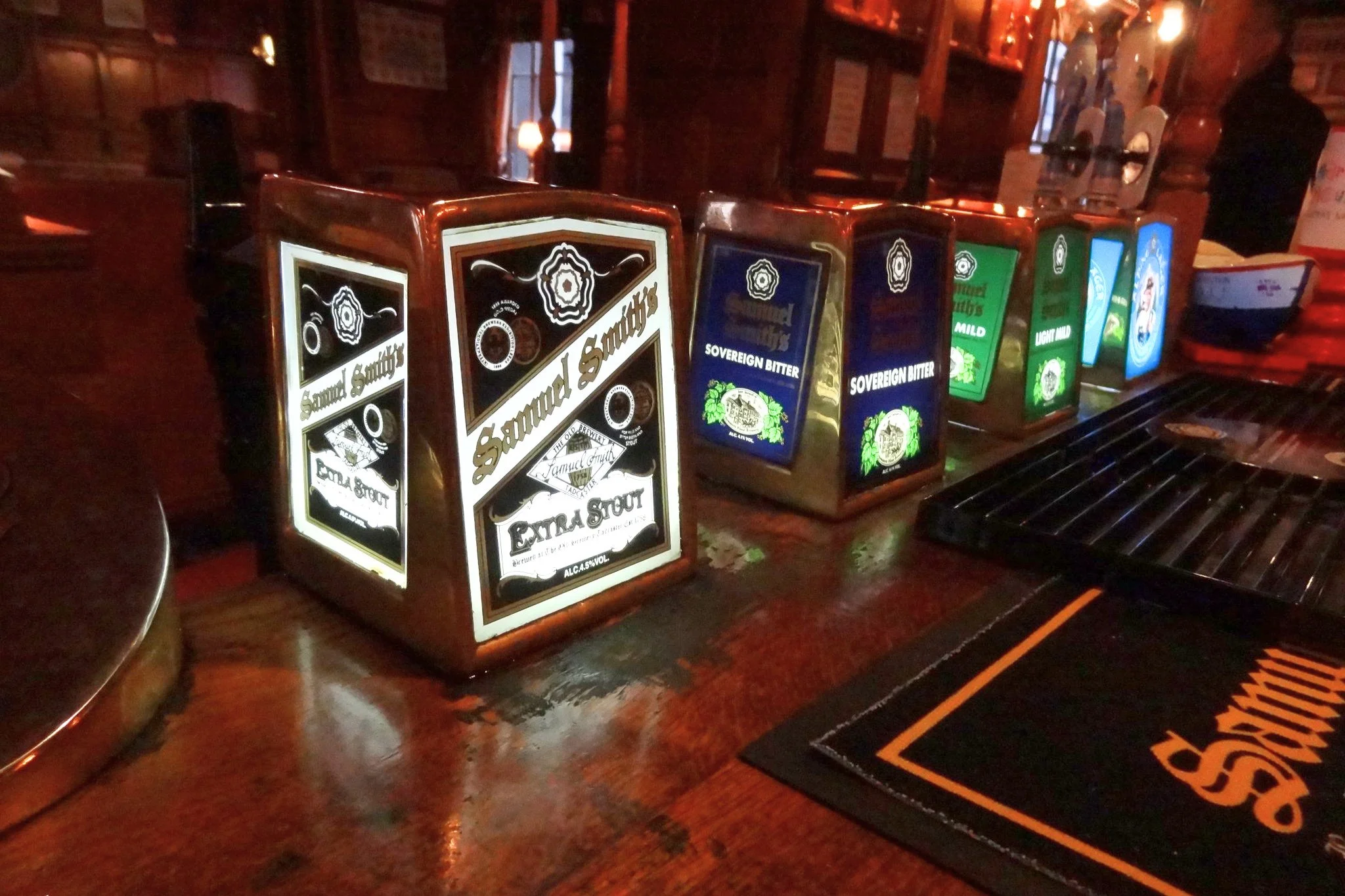
Humphrey Smith, the patriarch of the Samuel Smith Brewery, has died. He was a man who lived in the ‘70s—the 1870s. And in his later years, his “traditional” approach, lauded in the newspaper obits yesterday, curdled into something darker and weirder.
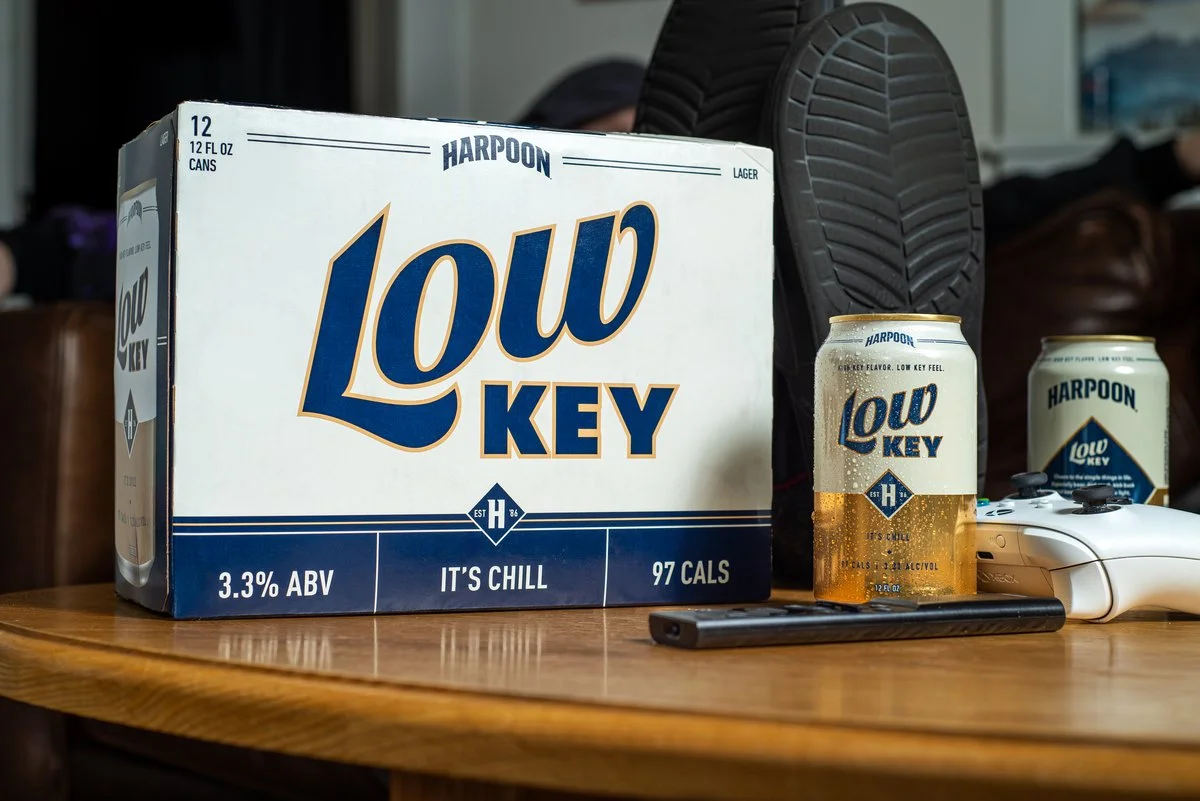
Breweries have started to embrace low-alcohol beers (at or below 3% ABV) as the newest market to exploit. The logic seems to borrow partly from the “success” of N/A beers, and partly on declining consumption. But I’m not buying it.
Two things are true about the state of beer journalism in 2026: it has never been harder and less remunerative to cover the beer industry and we’ve never seen a corps of journalists do as good a job. Yesterday, the North American Guild of Beer Writers honored the best.