Kölsch or “Easy Drinking Beer”
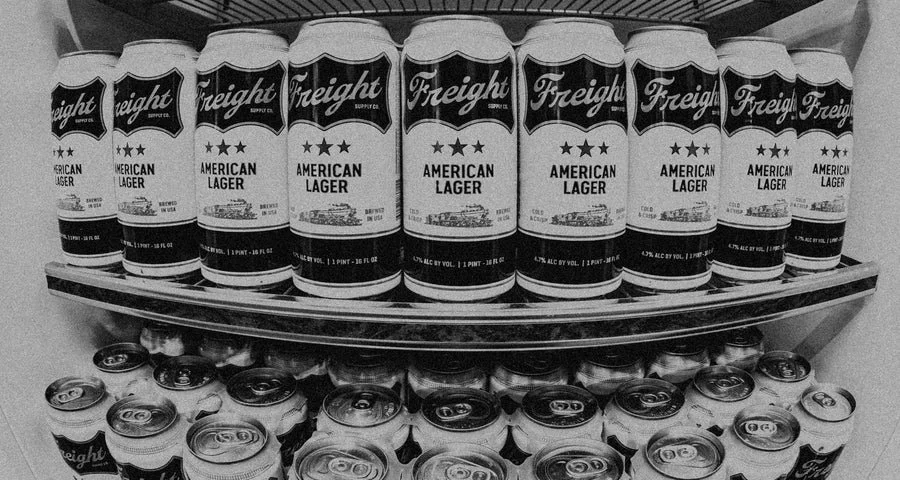
The folks at CODO Design put out a newsletter, and in their most recent edition, they tackled the question of what breweries ought to call their beer.
“One of the biggest shifts in beer over the last few years is how breweries use style names. Once a technical — even gatekeeping — term, style names are now becoming something more fluid. In today’s market, we believe they should be used more as a positioning tool.”
Positioning tool, you ask? Well, anyway, I did. They mean:
“If you’re brewing a Kölsch, but your customer doesn’t know what that means, you’re better off calling it a “Pale Golden Beer.” Or go personality-forward — “Easy Drinking Beer.” These aren’t inaccurate. They’re more approachable. They meet your customers where they are.”
By coincidence, I was recently chatting with pFriem’s co-founder and CEO Rudy Kellner and the same topic came up. If you’re not in the business of selling beer, this may seem like a small matter. Surely customers will find their way to your tasty German-style pale lager no matter whether you call it a kölsch or pale golden beer. But no. The simple act of describing a beer in 1-3 words on a can or taplist can make or break a beer. It has been one of the great riddles in the beer industry for, well, probably forever.
It’s fundamentally unsolvable because the “right” description is situational and temporal. In one time or circumstance, x might be right, but in another, y is the winner. It is with an eye on the “unsolvability” of this question that I bring some caveats and asterisks to CODO’s generally good advice.


Drinkers Know About Eight Beer Words
I’ve discussed this before, but it’s very important context: people know almost nothing about beer. The vast majority of beer drinkers have learned just enough to get them to the beer they want. And the vast majority of beer drinkers have no idea what the vast majority of beer terms mean. Forget Reinheitsgebot, lambic, and isoamyl acetate, I mean what you (a beer-blog reader) would consider basic, essential terms, like ale, cask-conditioned, and dry-hopped.
If I were to guess, I would say the general U.S. population would recognize about eight terms as meaningfully descriptive to them: light beer, IPA, pale ale, lager, pilsner, malty, hoppy, and hazy. They would have seen a great many terms and might recognize them as words that appear on a beer label. When pressed, however, they would admit they don’t know what they mean.
That doesn’t mean breweries have to stick to those eight words, but they should wield “weird” words with the knowledge that drinkers are going to be stumped. That’s not always a bad thing. Sometimes weird or difficult can be a big advantage. Rudy relayed the story about how his brewery settled on the name pFriem Family Brewers instead of something more accessible. Mid-story, I interrupted and said, “It’s a terrible name—no one ever knows how to pronounce it!”
He laughed and agreed, and said that was ultimately the reason they did choose it—the name opens up a dialogue. (He said, “It rhymes with ‘dream.’” I’d never heard that before, but it’s clever.) “pFriem” is a big first hurdle, even if you are figure out the silent p. But once you’ve cleared it, you’re already invested in the company. Asking something of your potential customers can, in the right circumstances, be a great move. It was risky and could have backfired, but their reasoning paid off.
Hard and confusing is generally bad, but not always. And that hints to the hazards of simple and straightforward, which takes us into the meat of our discussion.
Simple Downsides
Let’s start with CODO’s advice, and again, generally speaking, it seems smart:
“Sell the experience.” Attach the beer to its occasion (“easy-drinking”) or an ingredient (“If it tastes like blueberries, say so.”)
“Approach style naming … through the lens of experience … like ‘crushable,’ ‘porch beer,’ ‘after-work lager’ and ‘weekender.’ They’re not styles — they’re positioning tools.”
Borrow “lager’s language and design canon to position non-lagers the same way. Cream Ales, Golden Ales, Blonde Ales — often packaged and positioned like light lagers without calling out the style at all.”
There was some more style-specific advice, also good, but let’s stick with these broader tips. Fundamentally, they’re pointing out that if you use a description, it fails if it only confuses your customers. If you don’t run a German-coded brewery, why would you call your beer a Schwarzbier instead of dark or black lager? People are going to be put off by the fact they can’t pronounce it, and further because they have no idea what it is.
On the other hand, there’s a real risk of genericizing everything if you take this advice too far.* “Easy-drinking beer” suggests you’re going to get something pale and light, but it doesn’t function as real information—and it might be wrong. Could a brewery call their summer saison an “easy-drinking beer” so as to avoid calling it a saison? You betcha.
Worse, a generic description like that can easily get lost in the crowd. CODO gave a lot of examples about the proliferating easy-drinkers that pull from the well of old American brands. That approach works when your can stands out among all the IPAs on the shelves with their dayglo labels, but when half the cold case is filled with beers mimicking the simple cursive-script labels from a half century ago, the benefit is at best marginal.
A poorly-selling beer, too late to the party to cash in on a trend is one thing. But damaging your brand is far more serious. Breweries are struggling right now, so they are naturally trying to reach new customers. Sliding down the price scale and appealing to normies who like a Silver Bullet makes intuitive sense. Yet I worry that competing on price for mainstream drinkers may cause customers to subconsciously downgrade any brewery plying the “cheap beer” waters.
I see a collective-action issue, too. For nearly fifty years, the central intangible benefits of small-brewery beer have been more expressive flavor, quality, and luxury. (These qualities may not describe a given brewery’s beer, but that’s what the craft beer category offers.) The more craft breweries pivot to mass market lagers, FMBs, cheap 10% stovepipes, and other “beer plus” products, the more craft beer’s central value proposition is diluted.
Specialty categories flourish when they’re seen as special. They provoke an aspirational response. CODO conclude their advice this way: “Here’s your takeaway: Meet people where they are. Don’t be precious. Don’t be cutesy. Don’t be esoteric. And don’t make people work to understand what you’re offering. Keep it short, simple, direct and familiar.” It’s not wrong, but also, it’s not totally right, either, is it?
In branding, naming, and communicating, companies need to be clear and informative. Usually they need to meet people where they are. But sometimes they must also challenge their customers to expand their horizons. Craft beer would never have gotten to IPA if it didn’t push its customers a bit. Likewise, naming a brewery pFriem breaks this basic tenet in spades.
We should always remember that beer drinkers aren’t obsessives and know just enough to find a product they like. How a brewery leads them to that product is always a more thorny question.
______________
* This post is not based on rigorous data-based research. In the main, it is backed up by the scores of discussions I’ve had with breweries over the year, and their reports about what sells and doesn’t. Additional sources of anecdata come from speaking to normie consumers and observing my own reaction to names and descriptions.