Why do drinkers like lagers in the Czech Republic and ales in Belgium? Why are there more women in American pubs than in Britain's? Beer isn't just a beverage or a product, it's an expression of culture. These are the best posts observing this dimension of the beer world.
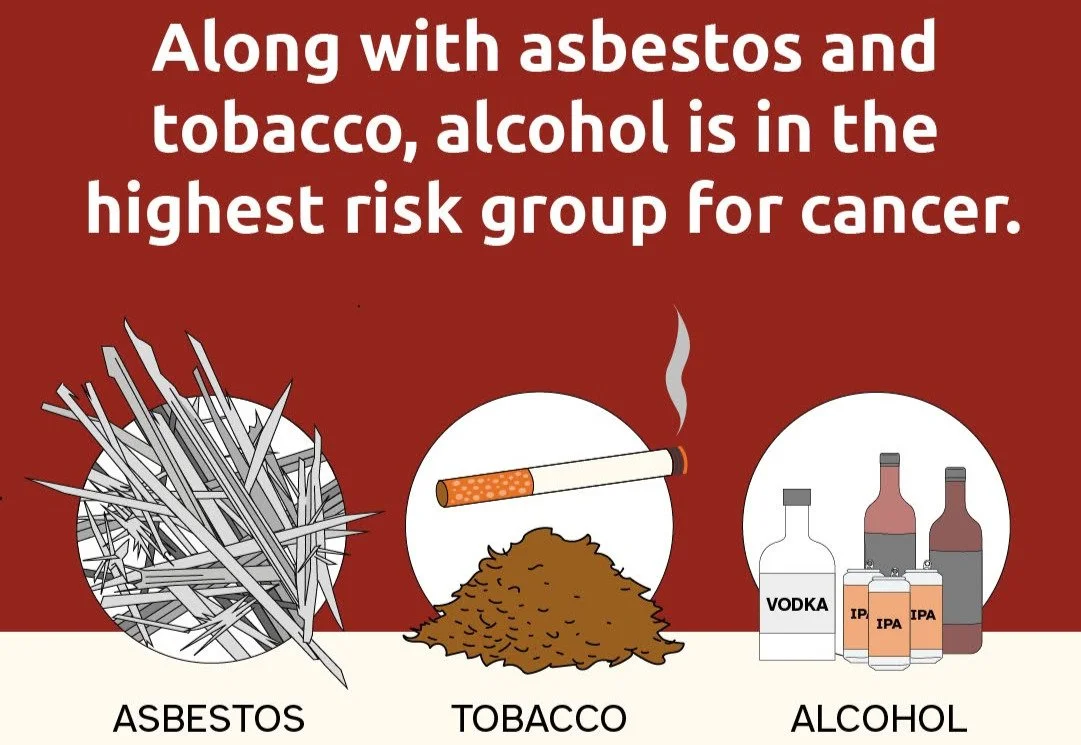
The Oregon Health Authority, under the auspices of their Rethink the Drink campaign, is out with a new social media spot that equates alcohol and asbestos. For a project that claims to only be interested in promoting drinking moderation, this seems pretty immoderate.
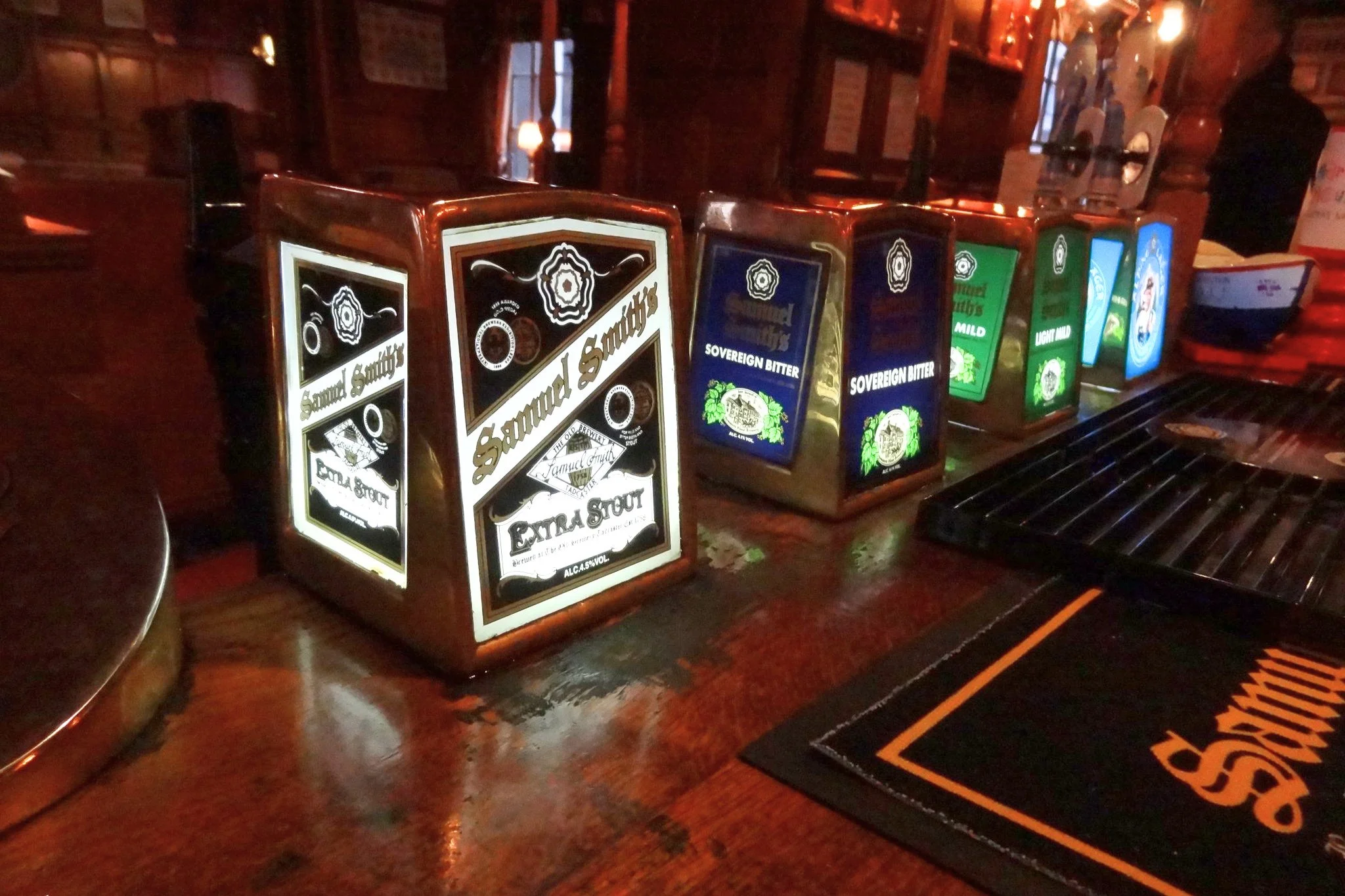
Humphrey Smith, the patriarch of the Samuel Smith Brewery, has died. He was a man who lived in the ‘70s—the 1870s. And in his later years, his “traditional” approach, lauded in the newspaper obits yesterday, curdled into something darker and weirder.
Once upon a time, beer commercials were so salient in American life that they sparked merchandise—and everybody repeated them to each other. Today they’re mostly bland in that corporate way, sometimes entertaining, but wholly disconnected from the drinker or the product. What happened?
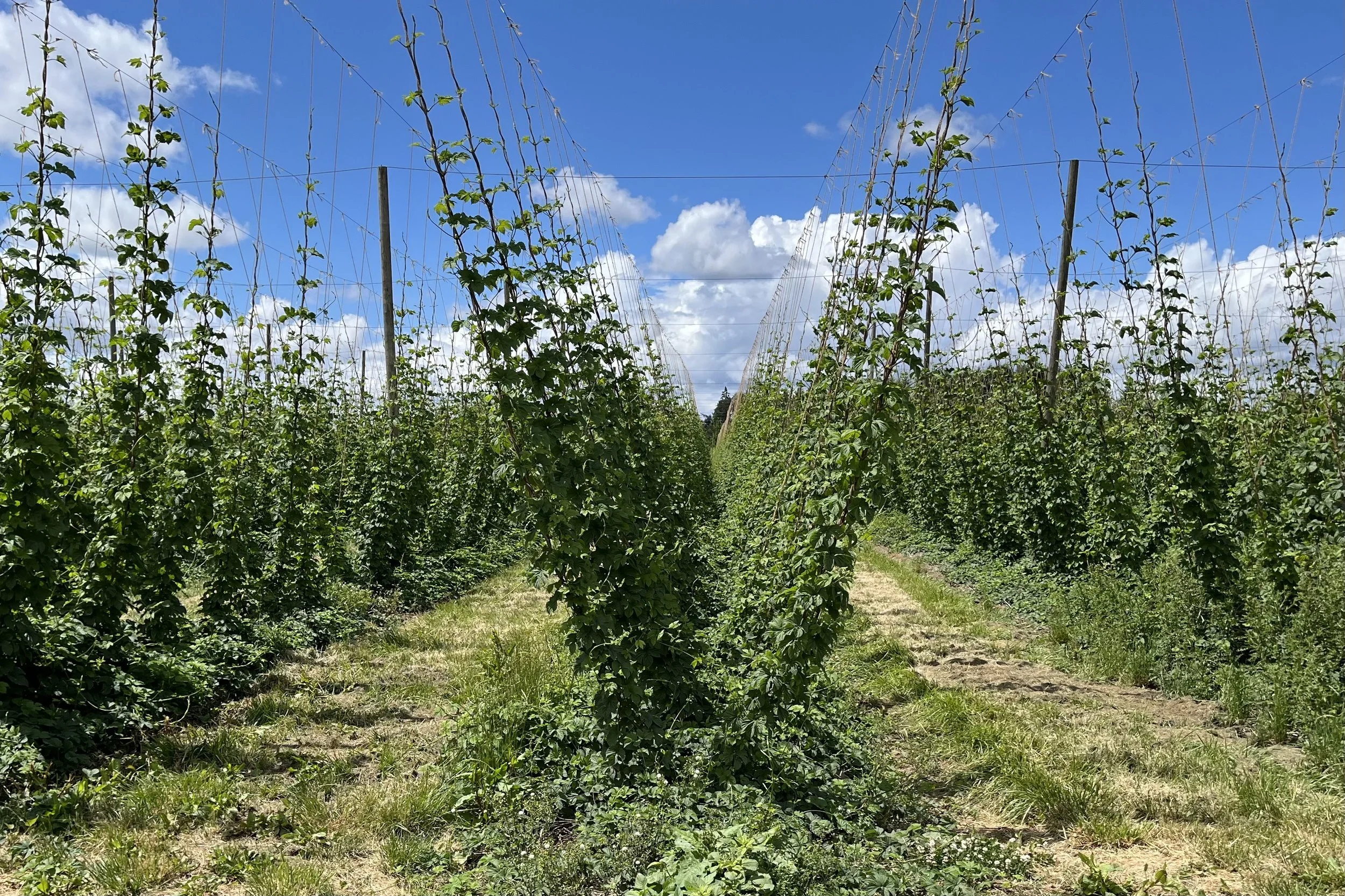
How do hot Springs affect a hop crop? After an alarming story by local TV station KGW about Oregon’s crop this year, I reached out to several hop growers to get the lowdown. Fortunately, they painted a happier picture.
While I do my civic duty and sit in the Multnomah County Courthouse waiting to be called to serve on a jury, I have another interesting case of civic life in America in 2026. It involves clandestine political events, a Latino brewery and Cinco de Mayo.
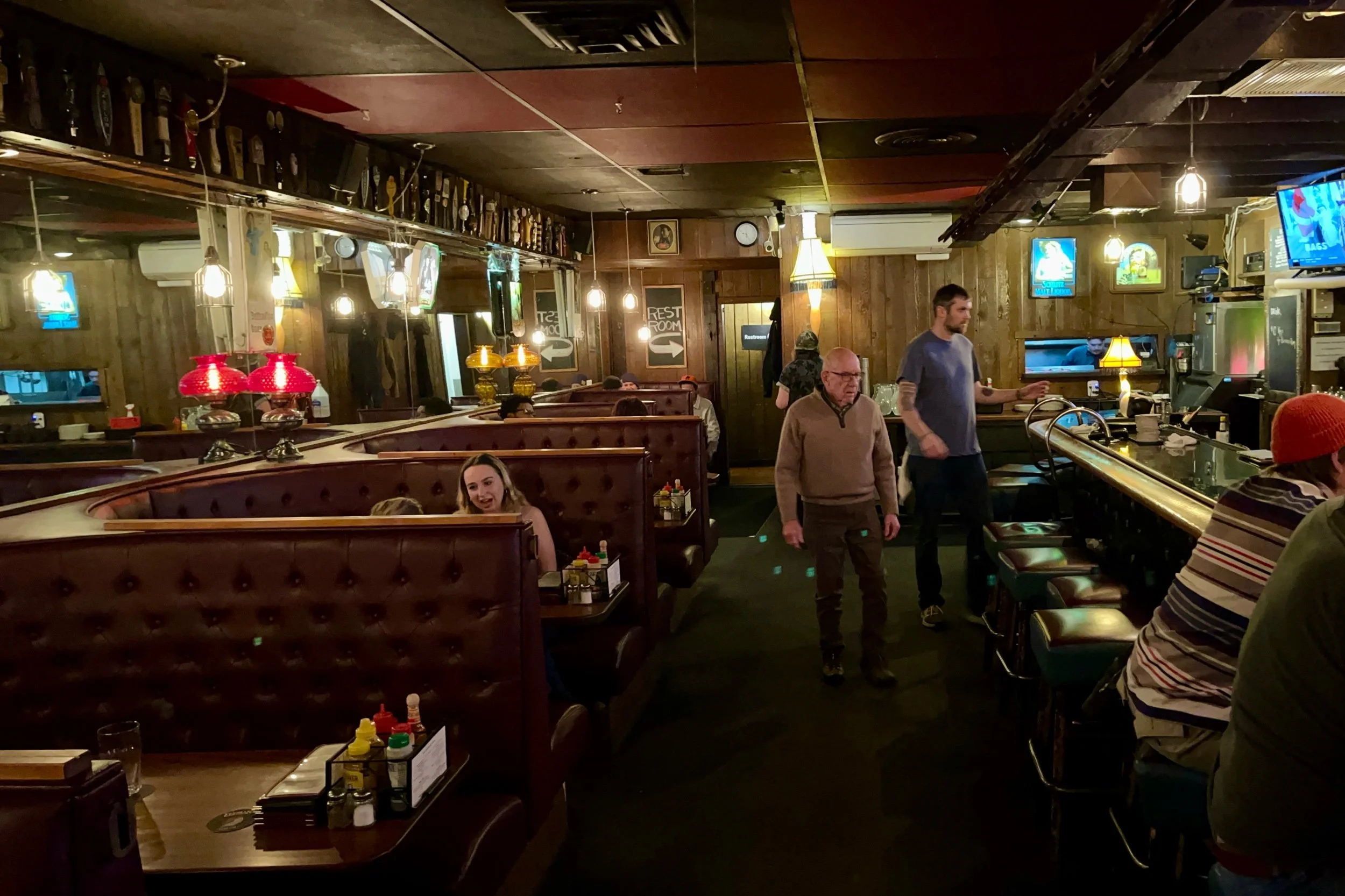
In the event, it’s a can of Hamm’s and something water-clear that smells of grain alcohol. (Which turned out to be a kamikaze.) Mark ordered one each for the three of us to sample on our little ethnographic exploration. Tab: $12. For all three.
Increasingly, states are hosting their own beer competitions, and the way they organize them tells us a lot about what kinds of beers people are actually drinking. And here’s a cool thing: we can discern regional preferences in them.
In the final post celebrating this blog’s 20th anniversary, I revel in the weirdest stories, happenings, and trends of the past two decades. There were a lot of them!
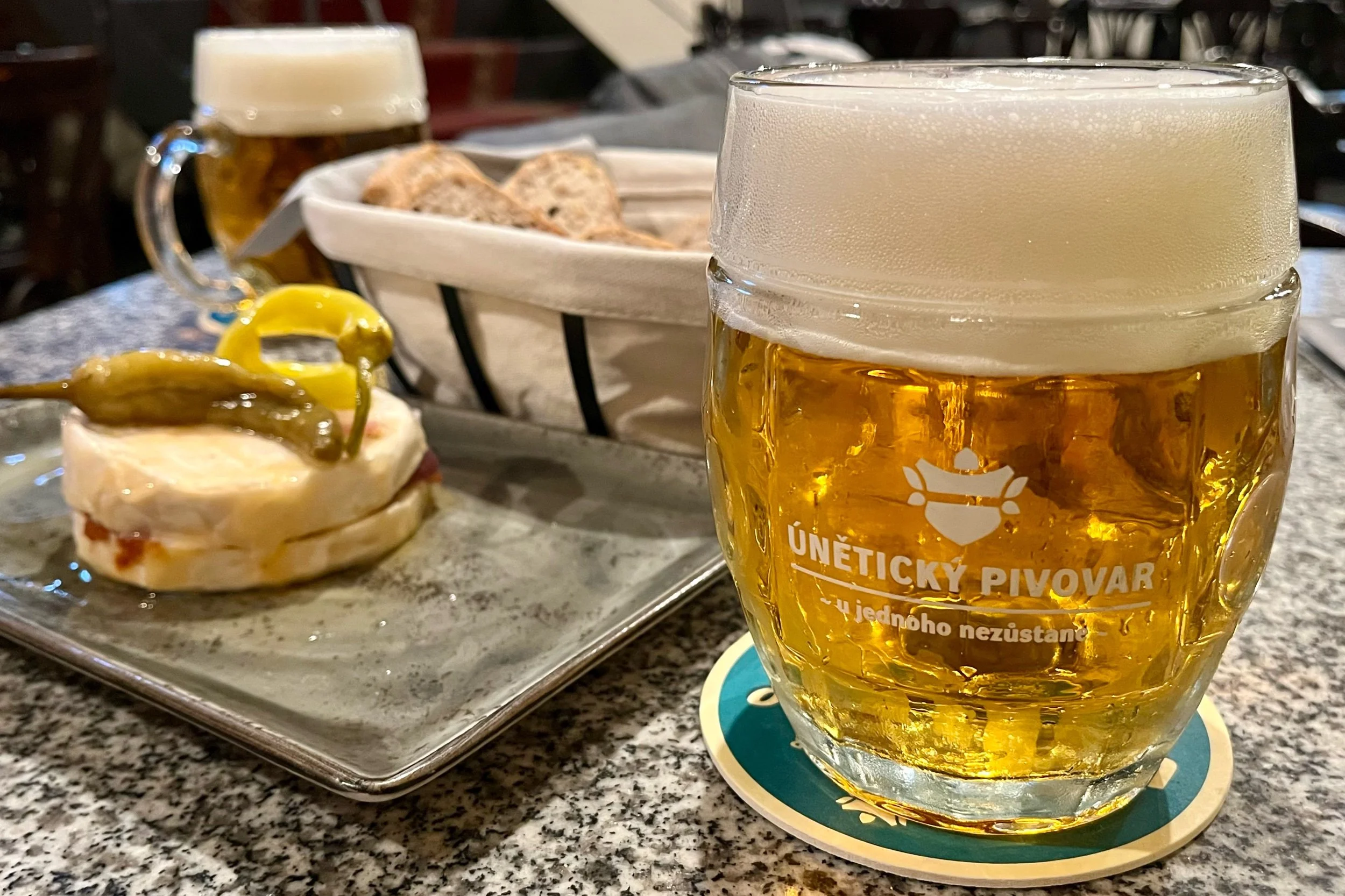
Czech breweries understand that we drink not just with our tongues and noses, but our eyes, too. They prize presentation, and three interlocking elements make their beers the prettiest in the world.
Today, grassroots organizers have called for a national strike in the US, asking businesses to close, and people to stay home from school or work. Breweries are using the event to speak out, with surprising force and transparency.
Increasingly, Belgian breweries are moving to cans—at least for the beers they export to the US. But this simple package change seems to have had a fairly major impact on the beer. This is an old-timey, think-out-loud rumination on the development.
Even in a brewery with a self-consciously European presentation, an obscure Belgian-style ale can’t hide where it’s really from.
In 2016, the very coolest thing to do was scoot down to your local brewery taproom, with its minimalist, industrial chic. You could pick up a four-pack of milkshake IPA in bright labels and impress your friends during the Packer game. That … is no longer the case.
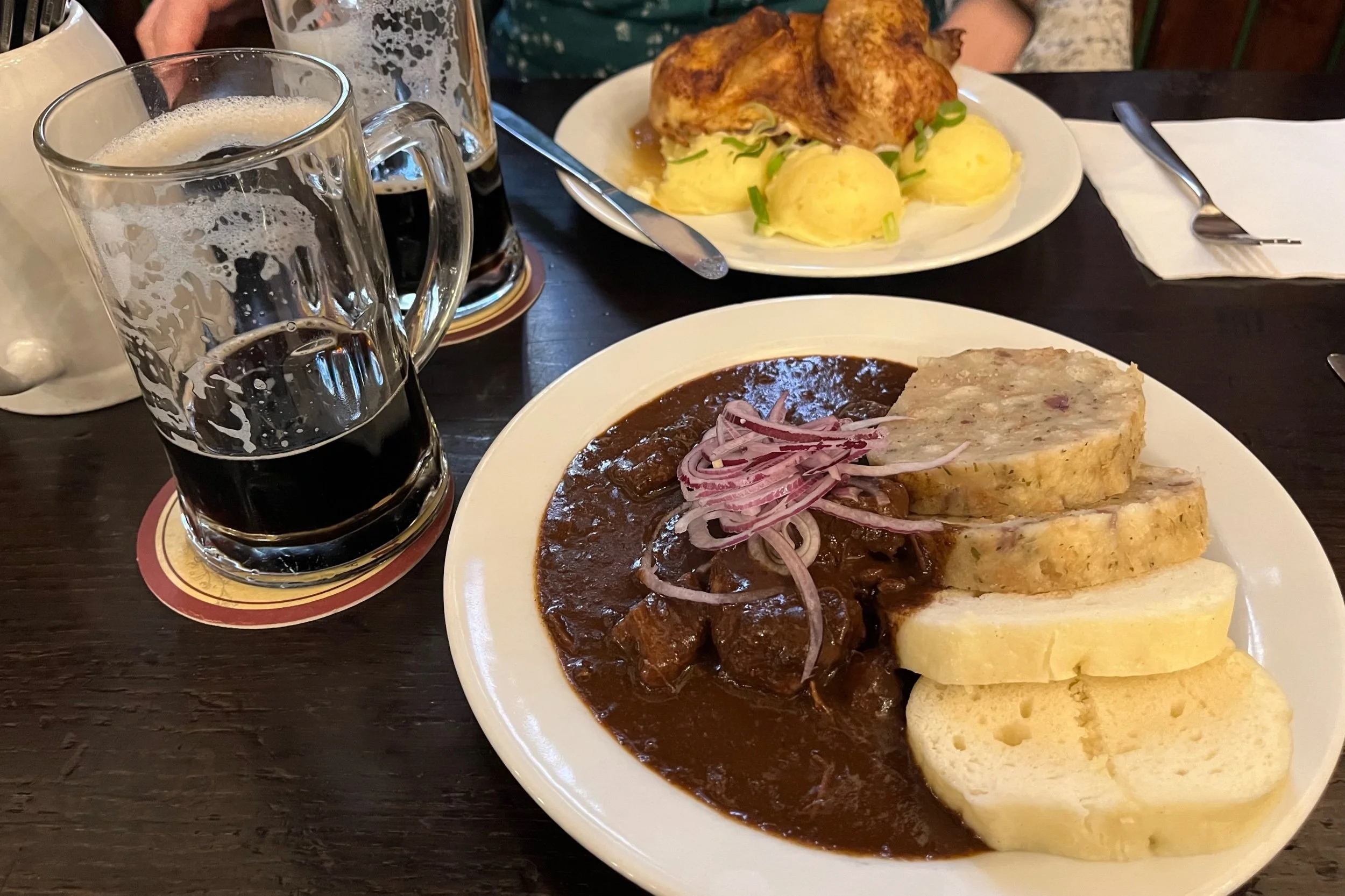
Beer is a potion of flavor and aroma compounds, and humans are creatures of opinion. In one culture, people favor some and eschew others, while elsewhere they may favor the other and eschew some. This is both inexplicable and universal.
Now I’m looking for that wonderful, recognizable taste of the harvest. If peach season signals the end of summer, the iridescent green flavor of a fresh hop tastes like autumn.
Some exciting new research is happening as I write this, and will examine why fresh hops taste different than dried ones. Four breweries are participating, and Oregon State University will be analyzing them. Here are the details.
Or, how Britain got the Honorable Order of Bass Drinkers while Americans got the milkshake IPA.
Are GMO yeasts that eliminate diacetyl production a good thing? There’s no “right” answer to this question, but listening to brewers from different generations wrestle with the question turns out to be enlightening in other ways.
Hamdi Ulukaya bought the Anchor Brewery a year ago. When he did, he purchased both a beer and (sort of), a style. But it might be that the two can’t both survive—one must pass for the other to live.
For most of the craft beer era, Oregon’s major newspaper has assigned someone to cover beer. The accurate, credible information they’ve provided beer fans over the decades probably plays a much bigger role in our beer culture than we appreciate.
Modern cask bitters have evolved. Many include juicy new world hops and modern IPA hopping techniques. But to achieve the delicacy and harmony bitters are famous for, breweries have to do more than just adding Citras.
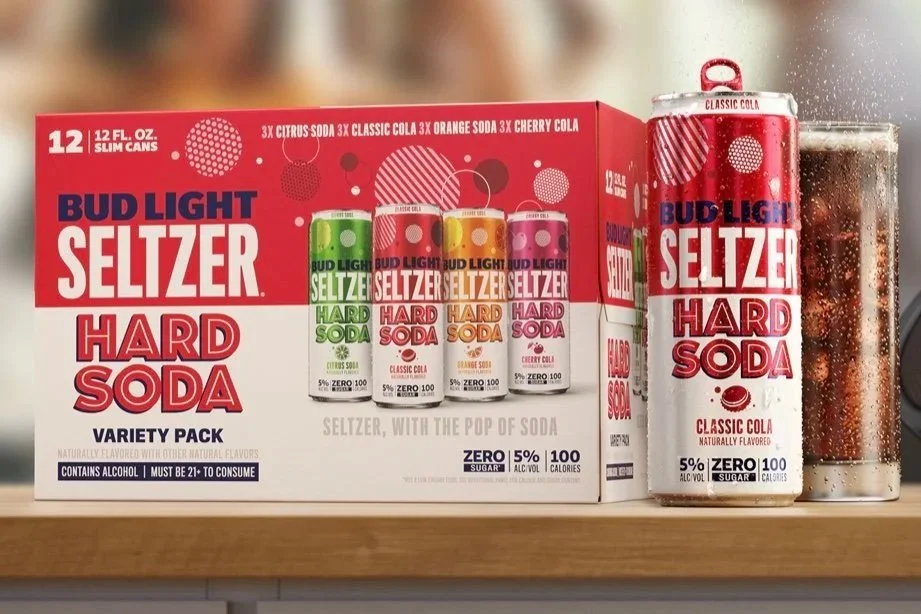
Why aren’t Americans drinking beer? Maybe because they’re too busy sucking down water, sparkling water, sports drinks, energy drinks, “natural beverage,” and real and artificial juices.
Last week, a new nonprofit announced the inductees into the American Craft Beer Hall of Fame. They will be familiar to anyone who reads this site, and left me feeling ambivalent. In overlooking less-heralded names, the Hall missed the opportunity to reshape the narrative of American brewing.
Herein lies one of the more interesting ironies of our times: there is a distinctive New England school of IPA. It is characterized by strength, sweetness, lack of bitterness, and high residual sugar. But maybe the haze is negotiable.
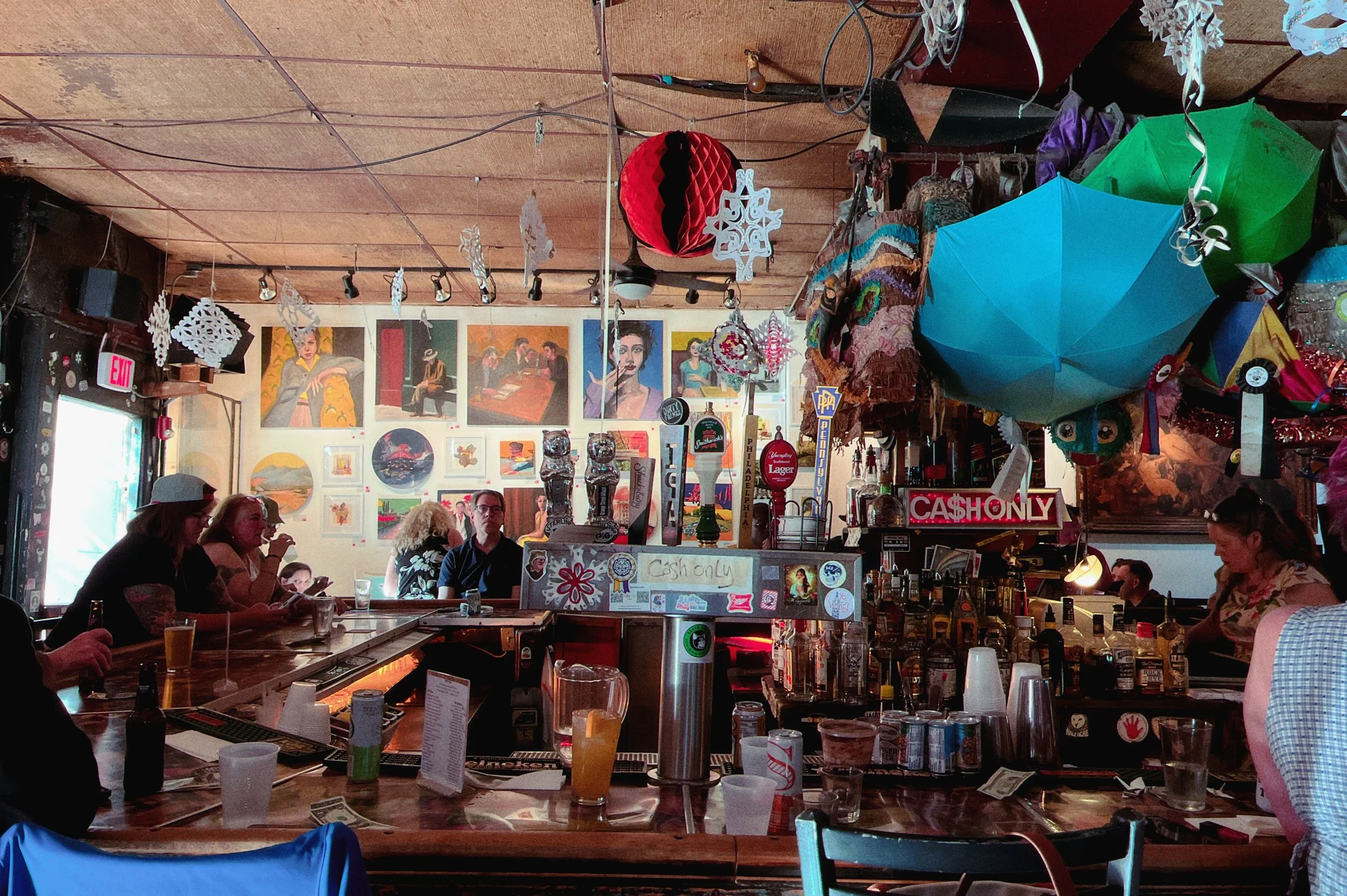
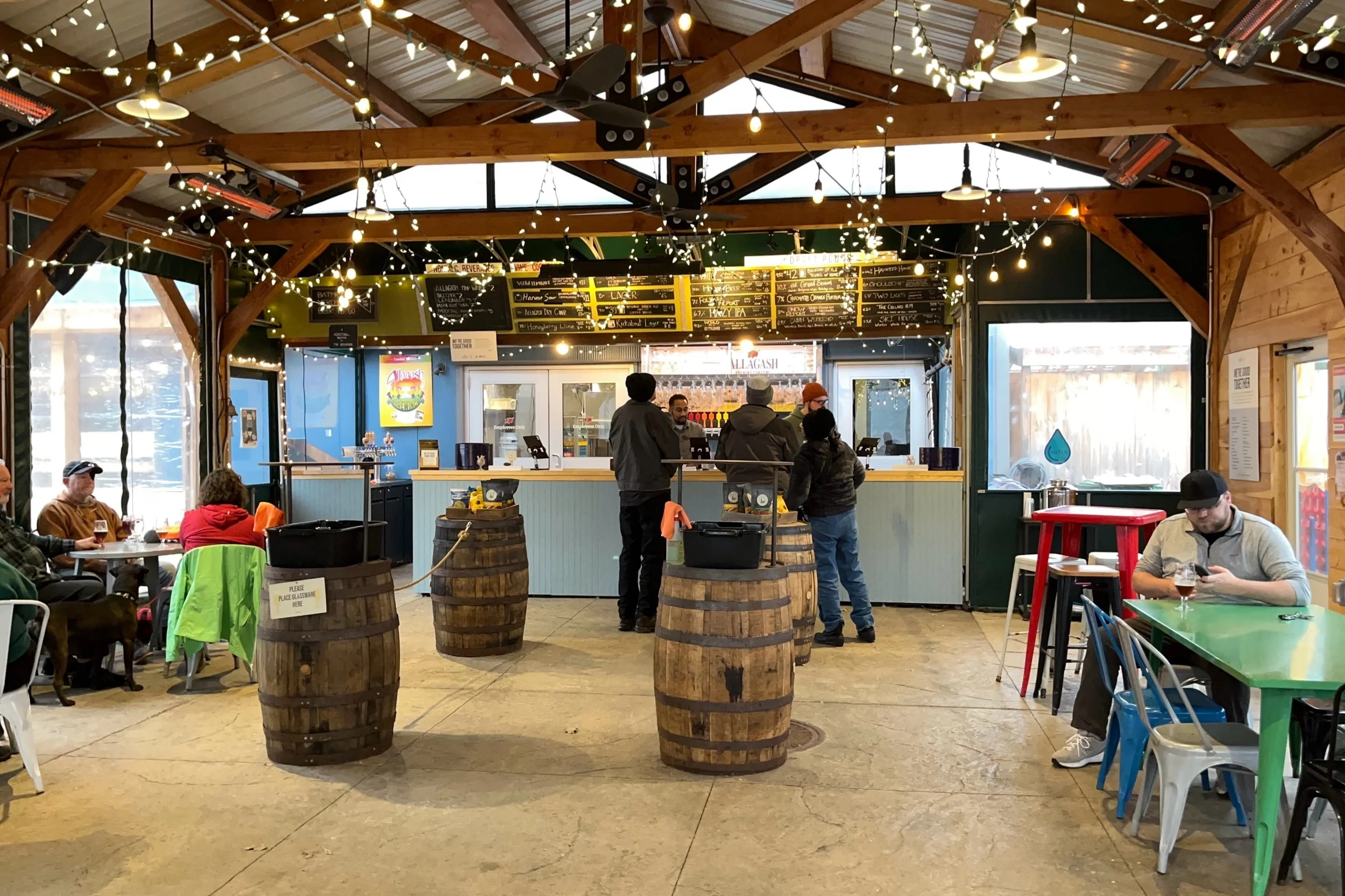
They start filling up before five and buzz with the chatter of conversation, the clack of cue balls, and the clink of glassware until long after my bed time. Brewery taprooms are struggling, but my local dive bars are flourishing. Why is this?
The magazine for which I write, Craft Beer & Brewing, has an annual round-up of writers discussing the best beers and experiences they had that year. I didn’t submit one to the mag, which means you can only find it here.
Did you know that there’s an American Oktoberfest, distinct from the kinds of beers you find at Munich’s famous fest? Did you further know that it’s a more characterful and interesting beer? Well, it is, and here’s why.
FH Steinbart, the 106-year-old Portland institution, has been sold. This should ensure that the nation’s oldest homebrew shop will carry on for years to come.
The iconoclastic and widely beloved Alan Sprints of Hair of the Dog brewing died last night at 66. It is a huge loss not just for the industry, but for so many whose lives he touched. We’ll miss him so much.