The Riddle of Bitterness
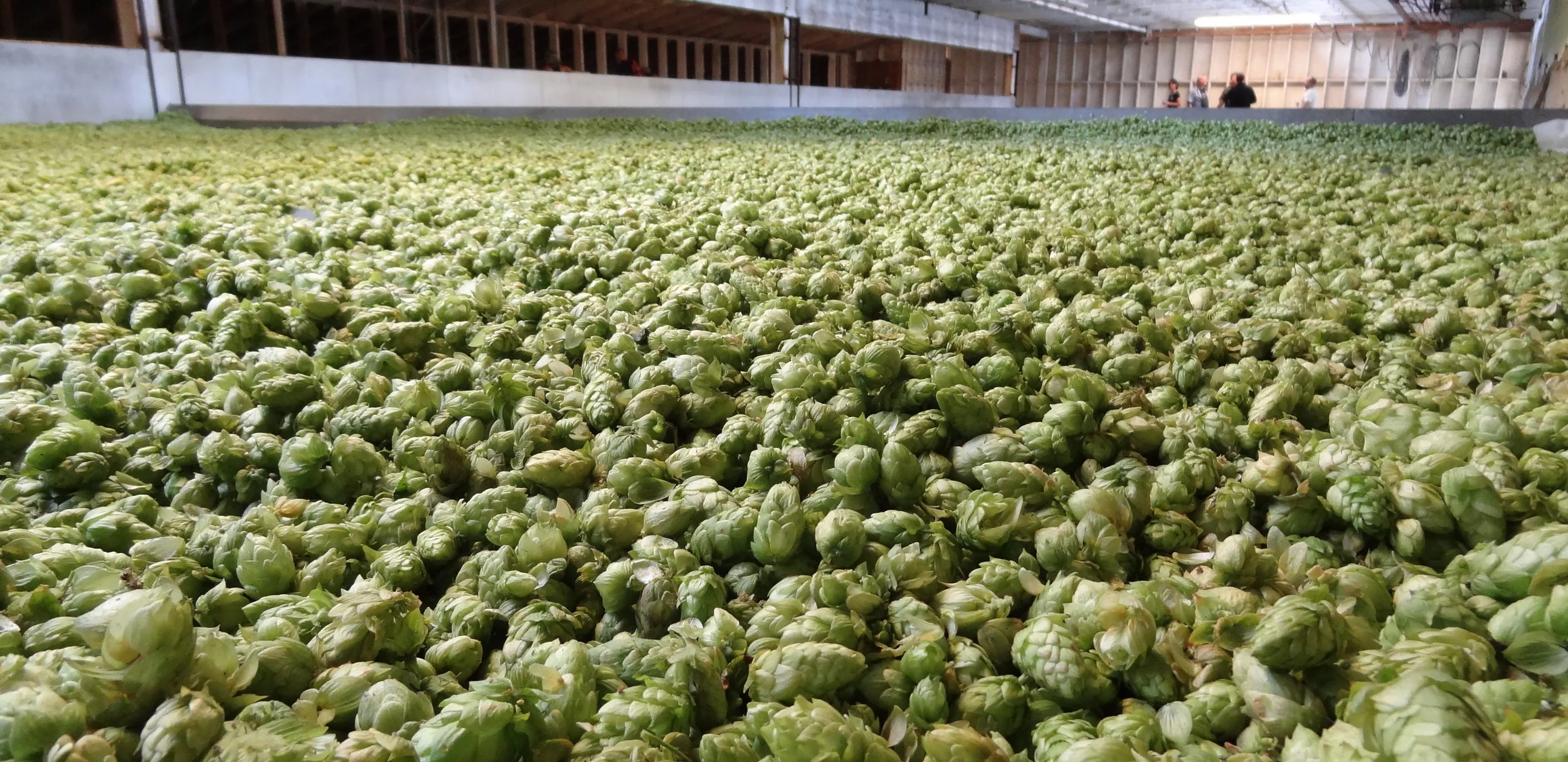
But now we come to the riddle. American brewers have developed a new way of brewing that exposes very few hops to the long boiling process. Most of the hops are added at the very end of the boil, are used after the heat is turned off so they steep like tea leaves in the wort, or are added to cold, fermented beer as dry hops. Accordingly, these beers contain very few iso-alpha acids. And yet, amazingly, they still taste bitter. How can this be?
Read More
Oregon Beer Awards
The Oregon Beer Awards were handed out last night, and there were a few surprises. The first came when Wolf Tree (Seal Rock) won the first gold medal. Wait, who? That happened several times throughout the night, as obscure breweries took home medals: Freebridge (the Dalles), Back Pedal (Portland), Salem Ale Works, and Wild Ride (Redmond).
Read More
Big Beer Makes a Big Move
ABI and MillerCoors account for 40% of all gains among the ten breweries growing the fastest. There is probably a lot of context one could provide to explain why these two brands grew so much (discounting, distribution, etc), but the fact is they did. Oregon has one of the most parochial markets in the country, and they still posted these remarkable increases. Two of the top five best-selling brands in the state are owned by companies in Chicago and Leuven, Belgium.
Read More
Troubles With Travel
Beer is inherently unstable. Brewers tease chemical compounds into an arrangement that will not last. They begin interacting with each other and that particularly nefarious enemy oxygen will begin to stale the flavors. This happens in all beers, but not at the same rate. Some beers are incredibly fragile, ready to collapse like a house of cards into a pile of decomposing, once-brilliant flavors.
Read More
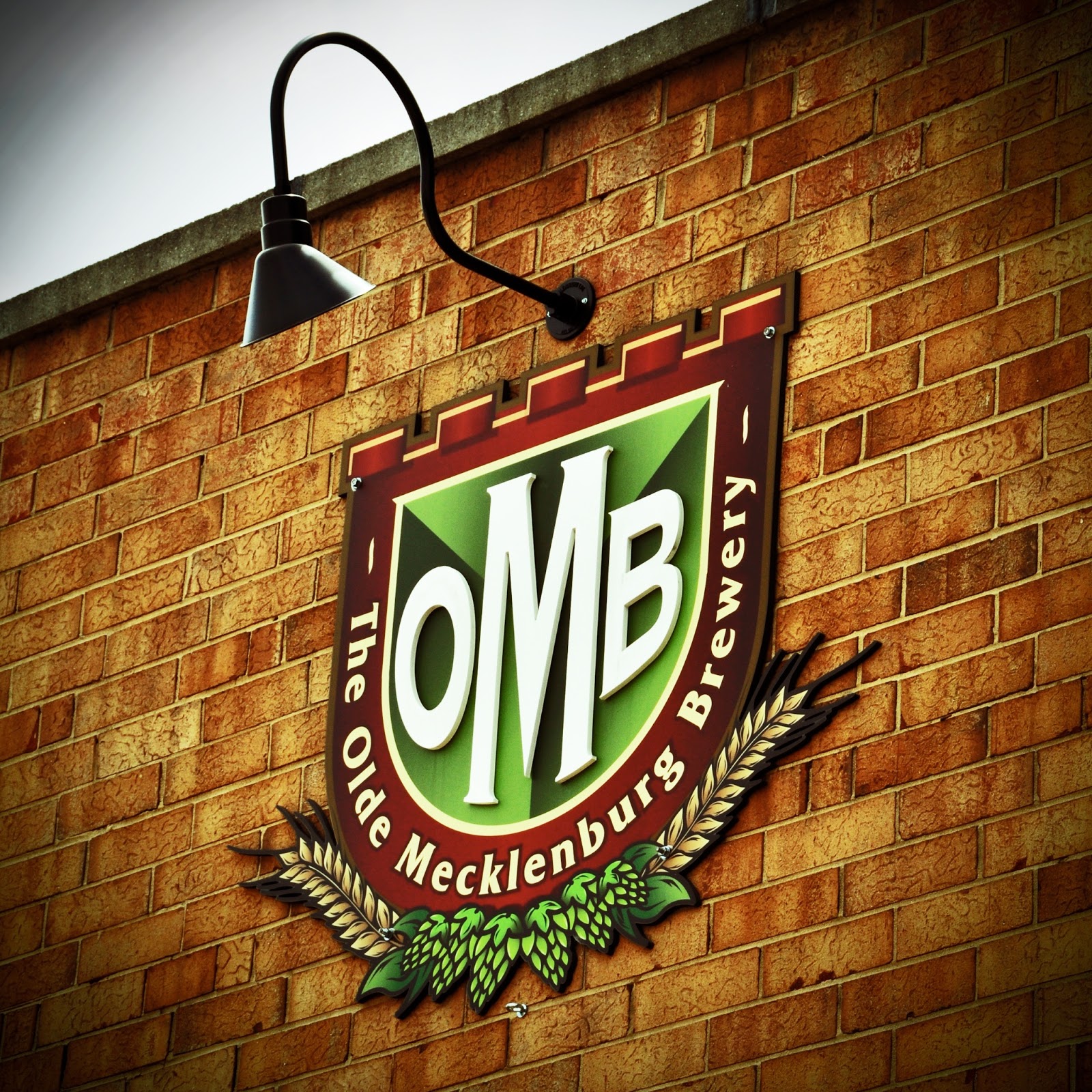
The Beer There: Olde Mecklenburg (Charlotte, NC)
Today we have three beers sent from Daniel Warner, who lives in the far Carolinas. Daniel and I have developed an e-bromance over our shared love of German and Czech beers, and one of his go-to breweries is Charlotte's Olde Mecklenburg. They make not a single IPA or cucumber sour; in fact, the only beer not drawn from the German oeuvre is a Baltic porter.
Read More
Oregon Breweries Get Political
Since Trump's election, the once safely-sequestered world of politics has been aerosolized and released into the environment, where it touches everything. I guess it will have to be a running theme here on the blog, since every week seems to bring another example of the way in which breweries have entered the political fray.
Read More
How to Tank Spectacularly in the New Market
Over at Willamette Week, Matthew Korfhage has an article about Oregon's tightening beer market. The story is an Oregonized version of one we've seen applied to the national market a number of times over the past couple years. Thumbnail: in a tightening market, it's harder for the biggest players to maintain their barrelage even while small and mid-sized breweries continue to post big numbers. This is, in fact, what you'd expect in a mature market and it's not particularly surprising. Korfhage's case-in-point in the article is BridgePort, which is busy imploding before our eyes--but I think this illustrates a different lesson: in a tightening market, a brewery can no longer make a series of stupid decisions and expect to avoid tanking spectacularly.
Read More
Valentine Sherpa: Love Potion #9
No beer sounds better on paper than a fruit stout--and that's where I first encountered the idea. It appeared in the recipes section of Charlie Papazian's classic Complete Joy of Homebrewing (in print since 1976!), and seemed so obvious. What goes better with cherry than chocolate? Alas, no beer more often fails to live up to our expectations than a fruited stout. I have had maybe five in the last twenty years that were good, but none that fully lived up to the simple obviousness of the concept--until now.
Read More
A Drive Down the Coast
The Oregon Coast is slowly filling out its compliment of breweries. In the near future, it should be possible to drive Highway 101 from Astoria all the way to Brookings and get a beer from a brewery in every town along the way. I have driven a chunk of that coast this winter (by far the best time to visit the Oregon Coast) and visited three new or newish breweries. Here are my findings.
Read More
Vignette #12: Michael Schnitzler (Uerige)
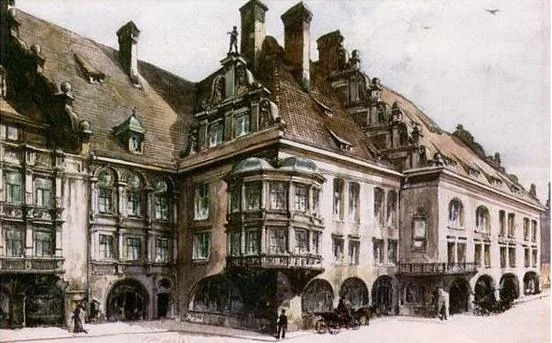
Two unrelated quotes today from Michael Schnitzler, the Weihenstephan-trained owner of Hausbrauerei Uerige. To go with them, I'll show you two photos, one of Michael, and one of the brewery. It contains, as you will see, one of the more unusual anachronisms still in use in Germany.
Read More
In Defense of Clarity
What humans prize is inversely proportional to what is common. Is this a need to desire what others don't have? Do we have a gene that tells us the rare is useful to survival? Whatever the reason, it's an iron law, and one we follow, in the manner of self-parody, back and forth across the decades.
Read More
Remember to Shoot Video, Breweries
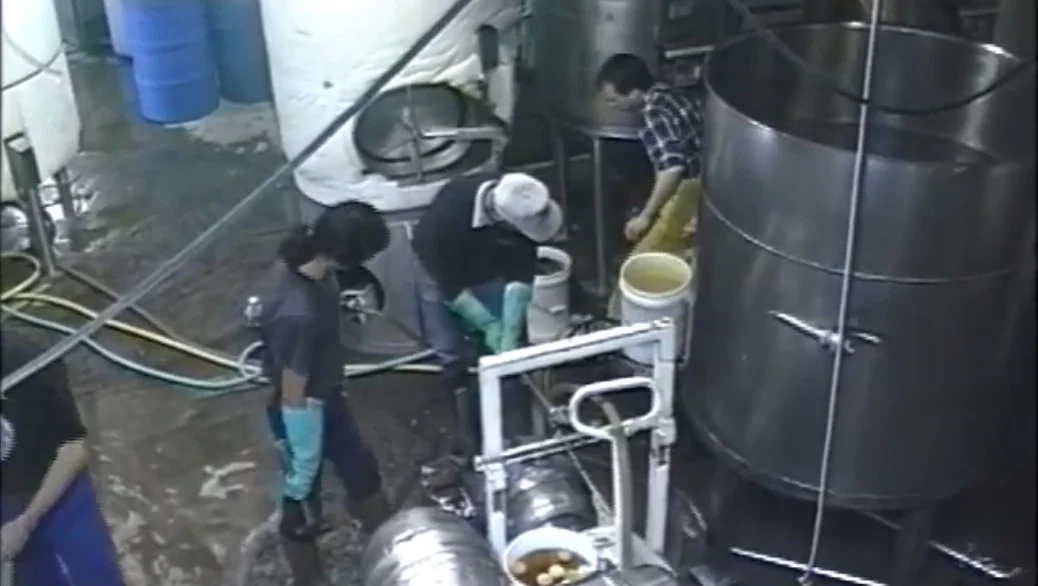
Over the past month, I have been interviewing people for my current project about the Widmer brothers. Their story arc spans thirty-odd years, but a good chunk of that has happened at the current facility (in different forms) on North Russell Street. As a consequence, a lot of the attention has been paid to the years just before and after the brewery was founded, in an era now preserved chiefly by memory.
Read More
AB InBev Targets Trump?
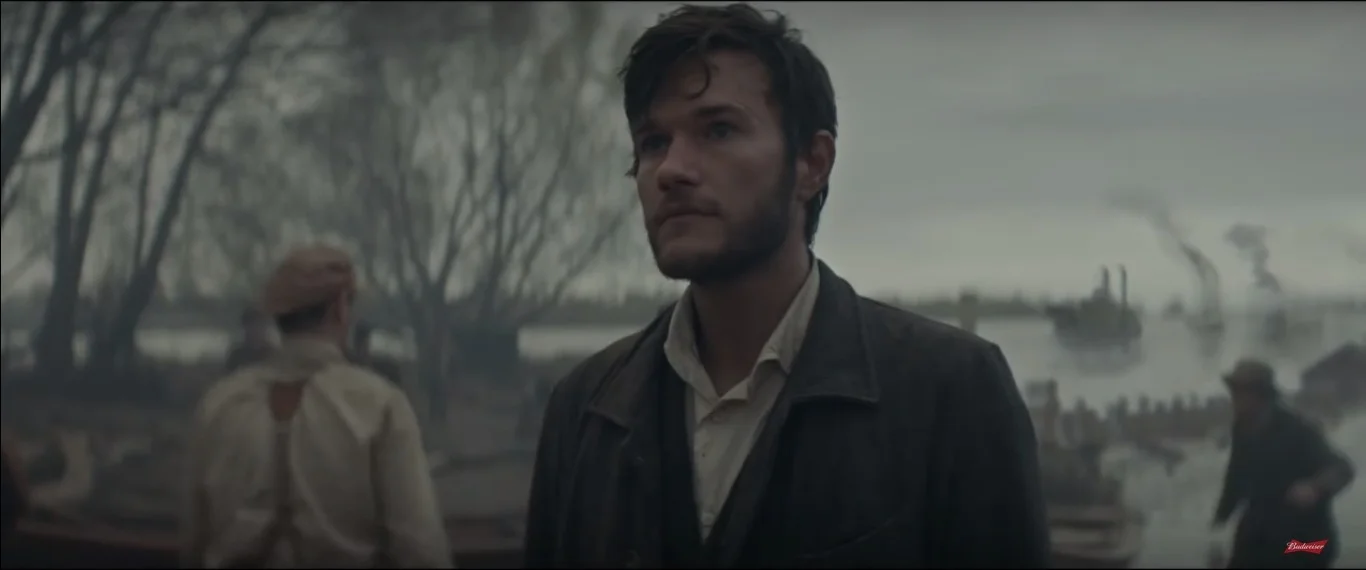
Leave aside the lame myth-making and execrable history. As a story, it's trite and embarrassing. But the text is not the point here--the subtext is. As this immigrant struggles to make his American dream come true, he confronts hostile nativists who tell him "You're not wanted here," and "Go back home." He rides the river with a black man (this is roughly the time of the Civil War). His journey ends as he founds a brewery that will one day sell the world's best-selling beer, the classic American success story--immigrants bringing their skills and talents to our country to make it a richer, more varied, and vibrant place.
Completely coincidental timing...
Read More
Politics and Beer in the Age of Trump
I started this blog during an interesting moment in American history. George W. Bush had just finished the fifth year of his presidency. The Iraq war had settled into a slow-rolling quagmire, and Bush had just lost a high-profile battle to privatize Social Security. His poll numbers dipped below 40% and kept falling through the remainder of his presidency. Conservatives weren't happy because their president was flailing; liberals weren't happy because he was still the president. A couple years earlier, I had helped co-found a politics blog that was attempting to overturn GOP dominance in Oregon. It was a grim time for all, a moment of political trench warfare. This blog was actually born as an antidote to politics, a place to write about something uncontroversial and fun.
Read More
Vignette #11 Dan Carey (New Glarus)
A bit of background on the quotes that follow. I interviewed Dan in 2013 and was curious about why the early lagers they brewed when I lived there--the early focus of the brewery--fell into the background. In The Beer Bible, I highlight Staghorn as one of the best examples made in the US, and I wondered why it and other lagers weren't featured more. (I have hope that the "craft lager" trend will help New Glarus find a new generation of drinkers for these beers.)
Read More
The Art of Appreciation
Monet is easy. There's a reason his lush, bucolic scenes are reproduced as posters for dorm rooms everywhere. The colors, textures, and composition delight the eye; it doesn't take any specialized understanding to enjoy them. But try something like abstract expressionism, with splatter art and color field paintings. These works aren't easy; they're neither immediately accessible visually, nor are the compositions naturalistic enough to interpret intuitively.
Read More
Lupulin Powder--the Next Big Thing?
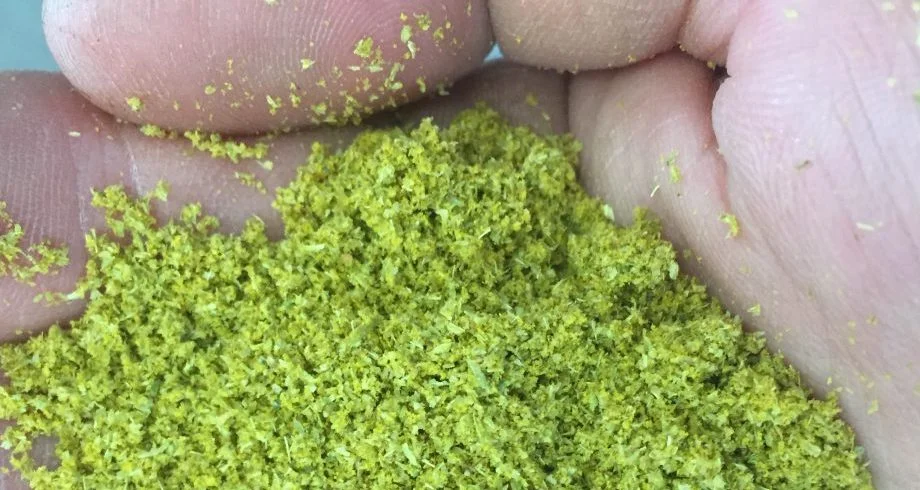
Monet is easy. There's a reason his lush, bucolic scenes are reproduced as posters for dorm rooms everywhere. The colors, textures, and composition delight the eye; it doesn't take any specialized understanding to enjoy them. But try something like abstract expressionism, with splatter art and color field paintings. These works aren't easy; they're neither immediately accessible visually, nor are the compositions naturalistic enough to interpret intuitively.
Read More
Vignette #10: Steve Barrett (Samuel Smith's)
“It’s a very flocculent yeast and it has a natural tendency to float to the surface of the beer. That can be a mixed blessing during the fermentation, because the yeast is so flocculent it does want to do that at a fairly early stage in fermentation. So the approach taken to encourage it to ferment right to the end is to carry out rousing. The rousing effectively means that we pump from the bottom of the tank up and around this circular [inaudible]--a fishtail/fan arrangement that screws onto the pipe and that throws out a fan of recirculated beer into the top--and that pushes the yeast back down and it keeps the whole thing in a dynamic state.”
Read More