A Few Words on Beer Commercials
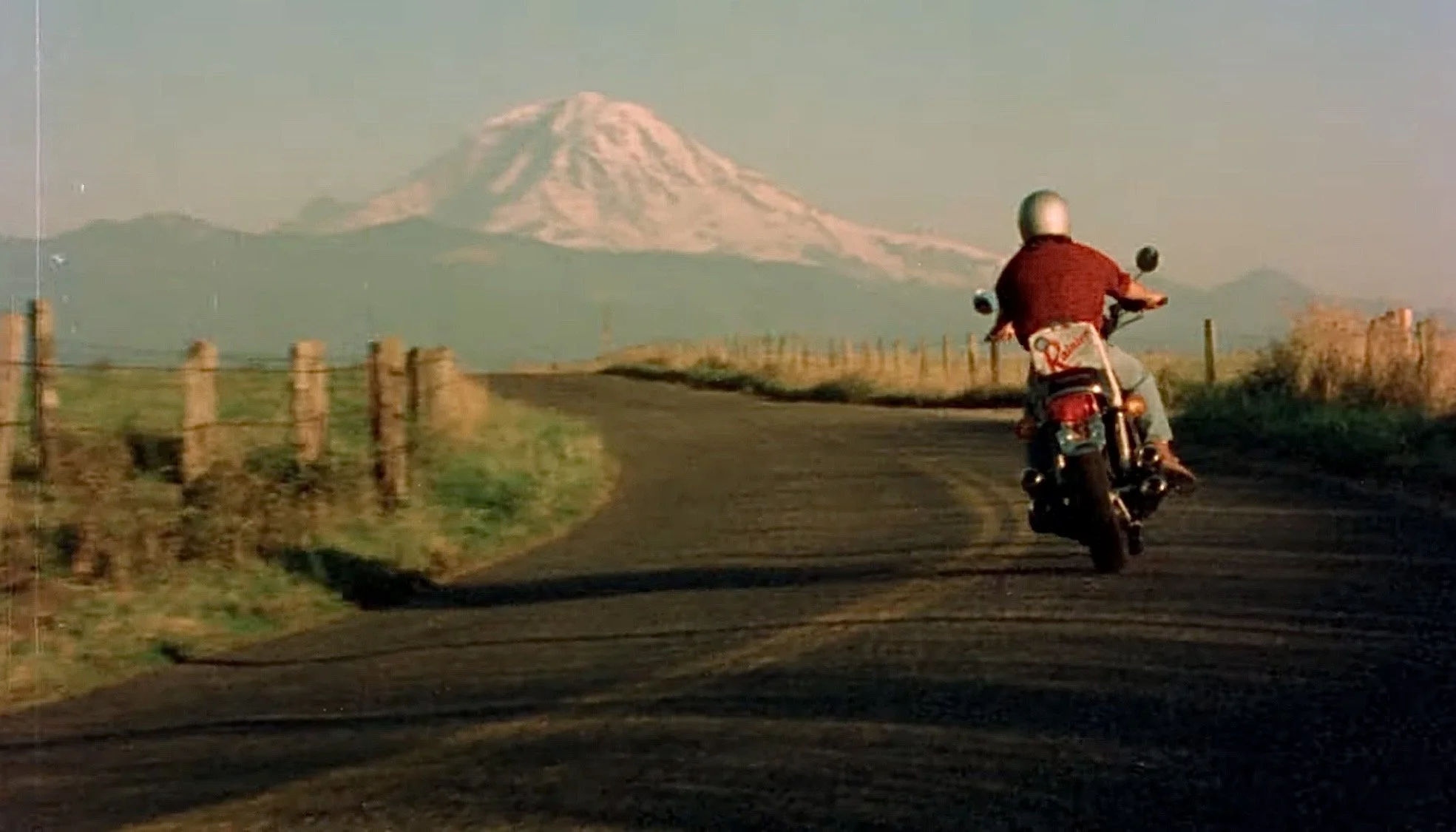
If you ask a Northwesterner of a certain age about the photo at the top of the post, they will immediately recognize it (though you might have to help with the aural component). They will almost certainly react warmly to the image, especially if they like beer. It was part of a campaign in the golden age of beer commercials from the 1970s and ‘80s. I dig into the ancient ephemera of pop culture because Dave Infante wrote an article last week about the dismal state of beer ads today:
“A week into the 2026 World Cup, and the ads and antics on offer from the company now known as Anheuser-Busch InBev range from adequate to asinine… What’s the best soccer-themed beer campaign you’ve seen this summer? Can you even call any to mind?“
Dave points to the spots he sort-of liked and ones he hated, and my preferences run in the opposite direction, but I agree with his central point: they’re bad. Neither one of us is going to remember them a year from now, what to speak about feeling the warm rush of nostalgia that Rainier ad delivers. Perhaps more significantly, the current commercials fall prey to a problem afflicting most ads in the social media age: they may be effective at grabbing our attention and offering a shareable clip, but they fail at connecting the viewer to the product, or the product to the viewer.


Mike Kallenberger, who spent more than thirty years doing marketing for Miller, made some trenchant comments on Bluesky to orient us to the problem:
“Being entertaining wins attention, but that doesn't answer: what do you want to tell them? Most big brands are failing here as well. Modelo, Corona, Ultra are successful because they offer tangible or intangible benefits (reward, relaxation, status, respectively).
“I'd like to ask some beer executives what their objectives are for their advertising and what kind of direction they give the creatives. We had one higher-up at Miller many years ago who insisted that drinkers bought the beer with the funniest ads, period, which was patent nonsense.“
Let’s go back to that Rainier commercial. The only spoken words are “Rainier beer,” drawn out to mimic the sound of a shifting motorcycle engine. There was never a way to reference the ad without repeating the product and brand name—a pretty clever trick. It also features the brand’s namesake, Mt Rainier, visible from Seattle, in the center of the ad. That reinforces the association to the brand, creates a bond to place, and displays the kind of natural purity the brand wanted to convey. (For hundreds of years, breweries have evoked their water source for this purpose.)
The commercial I sort of liked, and the one Dave hated, features famous footballers playing an impromptu game in a hotel lobby for the right to drink Michelob Ultra. If you showed that ad to a bunch of people and asked them a week later what product it advertised, many would have no idea. They’d remember Lionel Messi scoring the winning goal and that’s about it. What were they playing for? No one cares.
Why Beer Commercials Were Great in the ‘70s
In the late 1970s and ‘80s, the state of beer was dismal. Consolidation had reduced the number of breweries to a handful, and they all made the same kind of beer, indistinguishable to the customer. Ironically, that made advertising a lot easier. Breweries didn’t have to spend time explaining their product. The one exception produced the best national ads of the decade. When Miller Lite mounted its “Tastes Great/Less Filling” spots with retired athletes arguing in dive bars, they were rebranding a category.
Before Miller, light beer was “diet beer”—a low-cal option to fight the beer belly. And it was not popular. So few men are comfortable in their masculinity that they need a constant supply of props to broadcast it (and perhaps convince themselves they’re very manly). Holding a diet beer was terminally unmanly, and few men wanted to do it. So Miller flipped the script, found two benefits that did not reference diets, and made light beer seem manly. It was quite a trick and it scrambled the beer landscape. Now light beers are overwhelmingly popular, and their association with toxic masculinity, particularly post-Dylan Mulvaney, is complete.
Another thing these ads did really well was broadcast place and localness in a way that craft breweries, with their proliferating lineups and dense stories, have never really pulled off. I grew up in the Pacific Northwest, which still retained its regional breweries (Rainier in Seattle, Heidelberg in Tacoma, Olympia in Tumwater, a Lucky Lager outpost in Vancouver, WA, and Blitz-Weinhard in downtown Portland), and this area had hands down the best crop of ads in the country during that period.
Rainier’s are justifiably the most famous. The ad agency Heckler-Bowker* captured the region’s sense of deep weirdness in their different campaigns, which started with the motorcycle, but included the bizarre “Rainiers” ads with two legged-bottles roaming the gorgeous landscape. (I think this was the first, this one, with mobile living room sets was the weirdest, and the ones with Mickey Rooney were, uh, 🤯). Oh, and who can forget the original frogs spot?
Weinhard’s classically provincial campaigns, which relied on the nexus between protecting Oregon’s natural beauty and keeping outsiders out: the Schludwiller campaign, which referenced Oregon’s border checkpoints, where they searched for smuggled produce (a real thing!), this classic of “localness,” and an earlier campaign that Travel Oregon could re-shoot as a national spot.
Finally, Oly’s Artesians campaign was so popular it sparked a line of merch with the “I seen ‘em” tagline.
Source: Modelo “Bodega”
One Current Campaign That Works
As a final note, it’s important to point out one campaign that has been fantastic, Modelo’s long-running “Mark of a Fighter” series. It’s one of the few successful campaigns that doesn’t use the language of comedy. As international brands have gotten ever more frivolous in their ads, Modelo decided to go for sincerity.
The spots celebrate working-class people, mostly Latino, and honor their very hard work. Here’s one showcasing a bodega clerk (who is also the owner?). Instead of denigrating this kind of work, as American culture so often does, it shows the dignity and value of the work and how it impacts people in the community. The spots end with, “You are a fighter; this is your reward.” It just fires on all cylinders.
In an era in which billionaires prance around demonstrating their greed and fecklessness, regular people are boiling mad. A whole lot of them are not white or male, and they represent a huge market, one Modelo was wise to target. (And the bodega clerks, car-retailers, and bartenders who are white and male will see themselves in these spots, too—hell, I’m a writer and I see myself in these ads). Many companies are reluctant to show specific lives in their commercials because they fear alienating others. But that bland corporate vision ends up not depicting any real lives.
Though they are thematically very different from the Miller Lite ads of the 70s, their target—working stiffs—is much the same. Both show and target real beer drinkers. In the C-suites where the Heineken and Bud Light and Molson Coors ads are greenlit, the experience of the bodega clerk may be, shall we say, less than immediate. And it shows.
The further beer gets away from an intact geographical region, the harder it is to represent the texture and reality of lived experience. I suspect the current crop of ads suck because the beer company and ad firm executives have no idea who drinks beer or where they drink it, and so they’re captivated by conventionally “clever” ads. If they spent more time in real bars drinking with real people, they might better understand their own product and how to sell it. Once upon a time, they were the masters at that.