Of Course Beer Came Before Bread
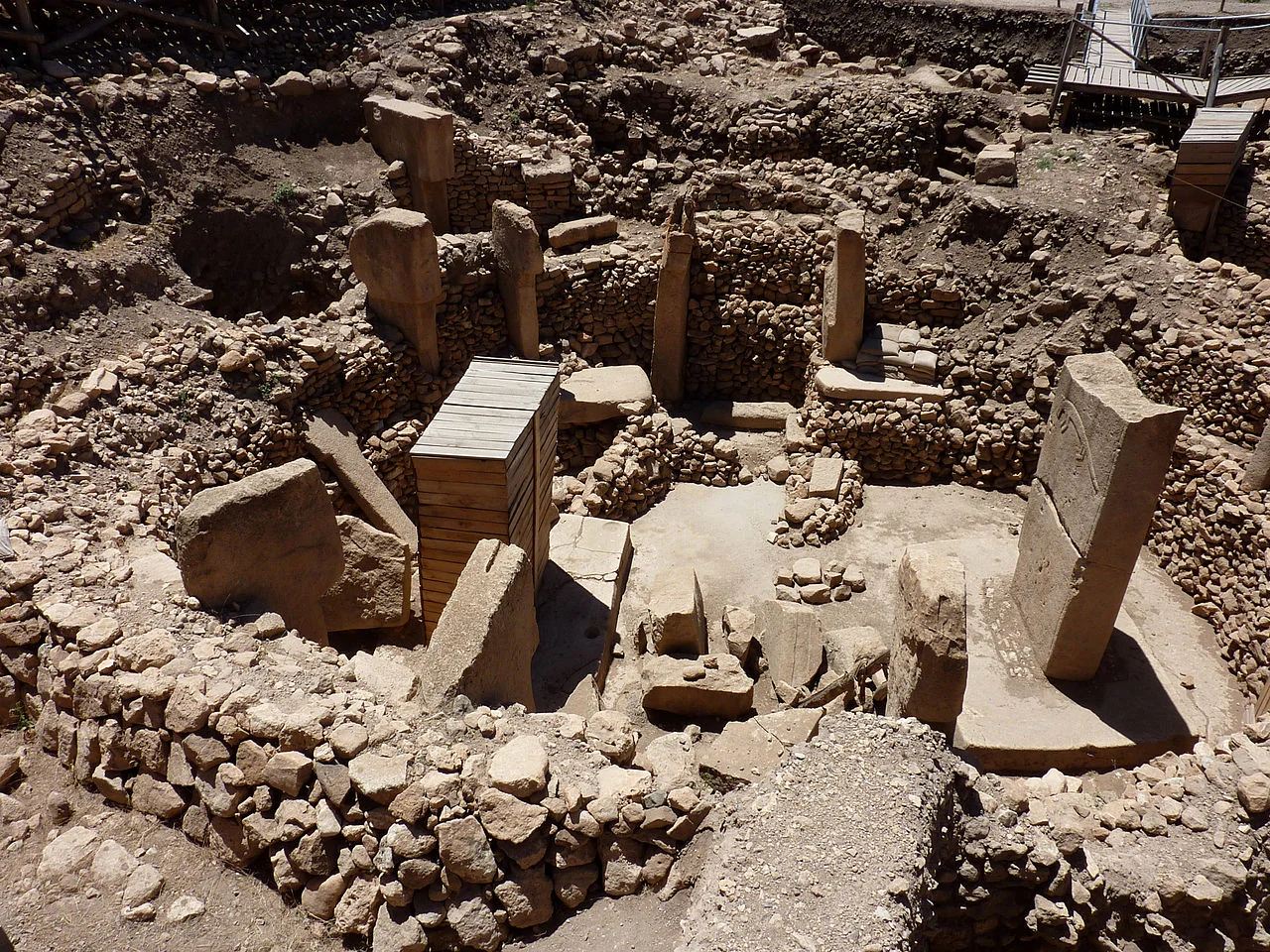
For decades, beer partisans have argued that fermented rather than baked grain led humans to begin sowing the fields, settling down, and abandoning their hunter-gatherer ways. I have found none of their arguments persuasive; there just wasn't a smoking gun to support it one way or another. Food is a more basic need, and in the absence of evidence, bread seemed the more likely spark to a change as revolutionary as domesticating crops.
Read More
When Grocery Store Chains Go Macro
Last week, Duke Geren posted the picture you see above on the Beervana Blog facebook page. In case it's not immediately obvious what's going on, he added the following description: "This is a grocery reset in progress. When done about 1/4 of the beer in this set will be craft. Was closer to 3/4 when this store opened."
Read More
From There to Here: The Evolution of American IPA
IPAs have won. They've conquered not only the United States, but are beginning to encroach on major cities across Europe and Latin America. Asia is not far behind. If you require proof, how about these two news items that landed in my inbox yesterday: (1) The Bruery, that Belgian-inspired barrel-aging stalwart from Southern California, is releasing a new line of beer composed entirely of IPAs, and (2) The Commons, who has made farmhouse beers the quintessence of their approach, are releasing, with apparent sheepishness, Pay No Attention to this IPA.
Read More
Michelob Ultra is Crazy Popular; What Does This Tell Us?
On one end of the market, flavor is driving sales. Leaders in the craft segment may be suffering, but as Bud (down 5.6% this year) and Bud Light (-3.6%) both continue a slow death spiral, mass market craft like Goose Island are flying off shelves. So how does a flavorless, blandly corporate beer becoming one of the few success stories in the domestic mass market sector? Branding is the only answer anyone can identify.
Read More
Pope Francis to Trappists: No More Beer
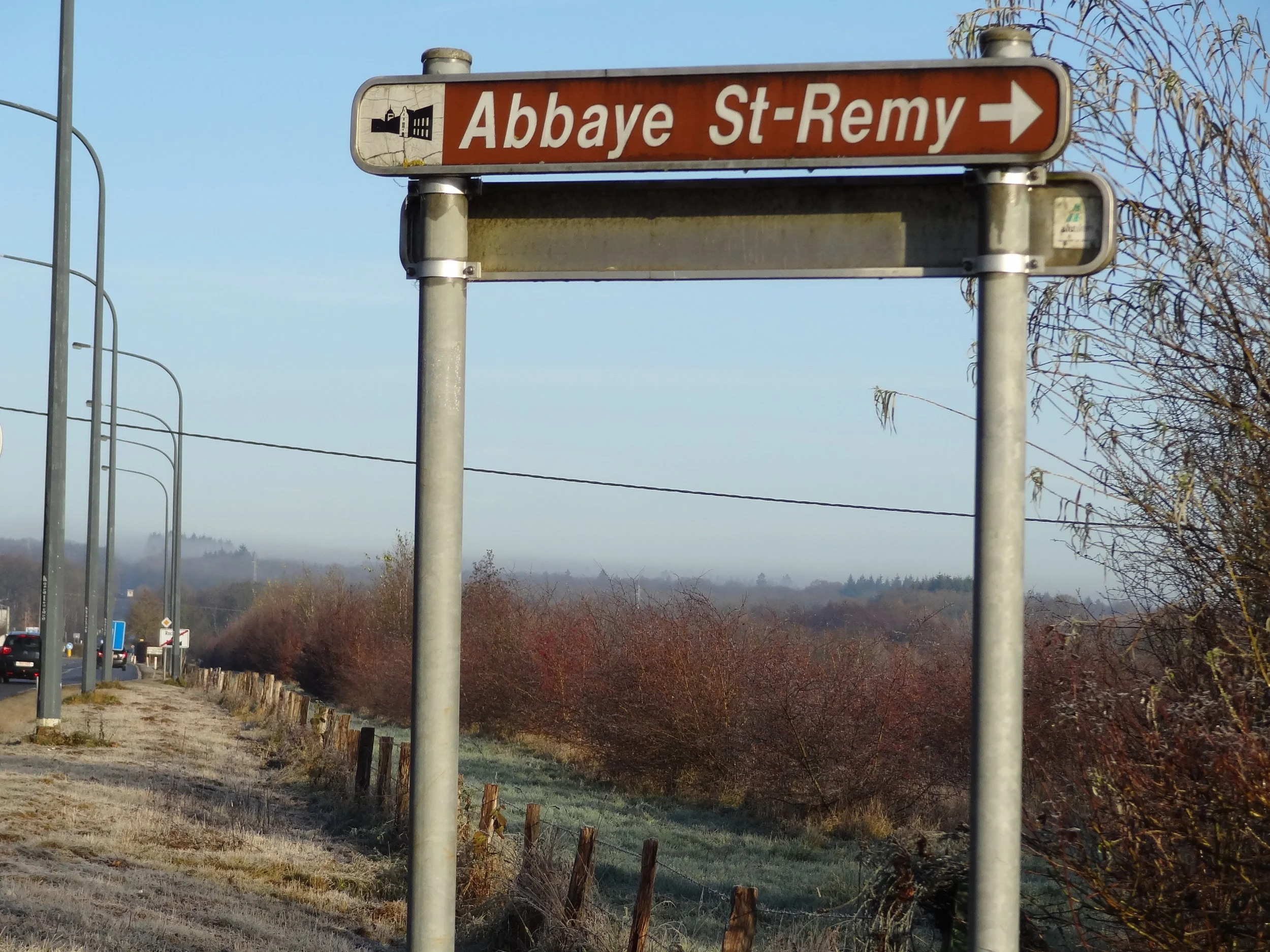
Francis also singled out the handful of Trappist monasteries producing beer in Europe, adding that anything that "interfered with clear devotion" was not a proper function for Church brothers. Church traditionalists, already in turmoil over early actions by the new pope, were left reeling by the news.
Read More
An Update on Cider in Oregon
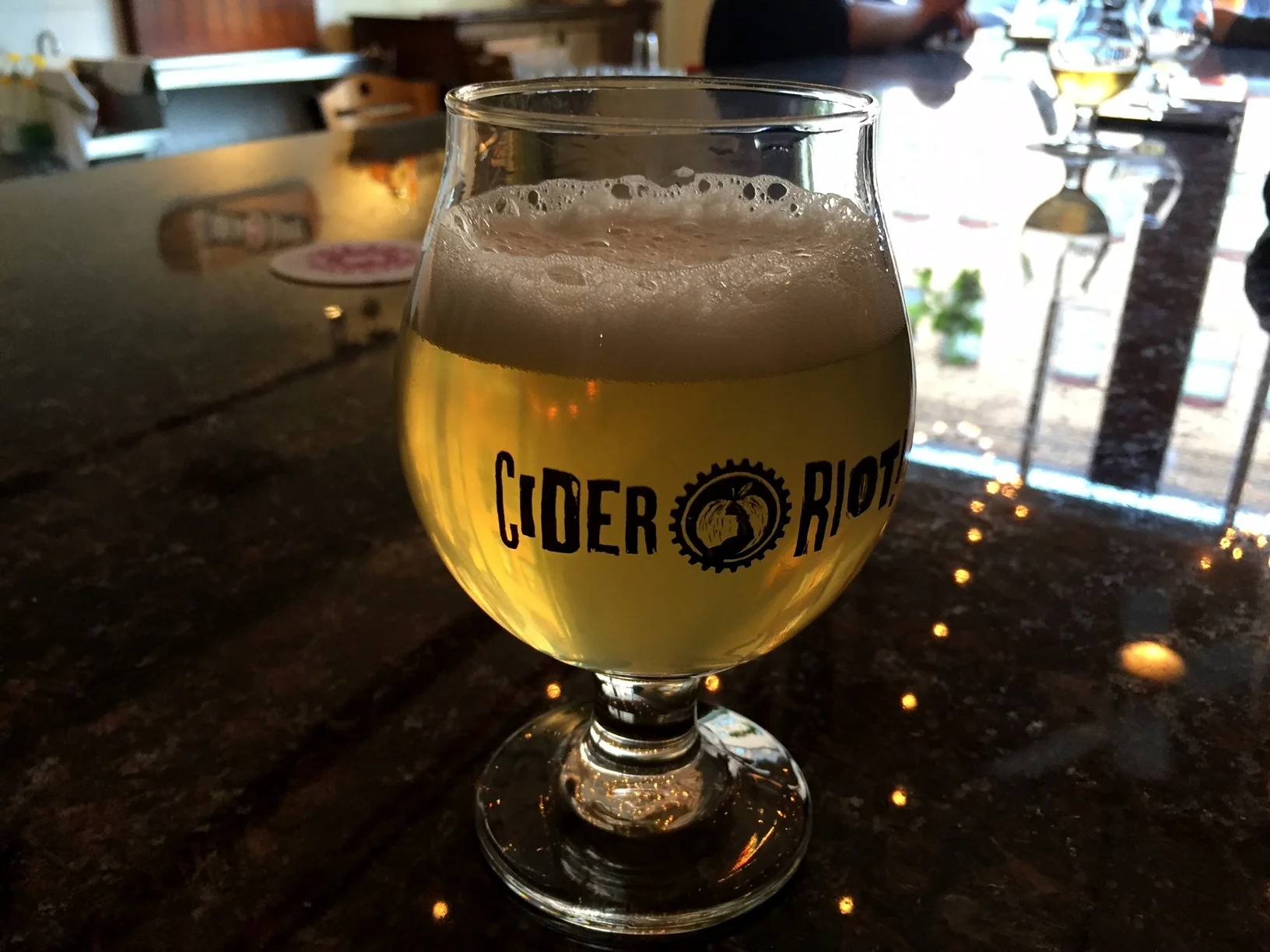
On Monday, Cider Riot's Abram Goldman-Armstrong put 63 hectoliters--nearly 60 barrels--of cider in cans for the first time. Yesterday he had a media event at his pub and cidery to introduce Everyday Cider and it made me realize some things have changed since I last checked in on cider. Time for an update.
Read More
Welcome
Hello, all, and welcome to the new digs. I first founded the Beervana blog in February 2006, and it has lived as a Blogspot domain throughout its life. You may imagine that it wasn't so tacky to have a blogspot blog in 2006, but you'd be wrong. Perhaps not as tacky, but tacky nonetheless. This blog has been a long time coming.
Read More
More on Mexico; A Lupulin Powder Blind Tasting
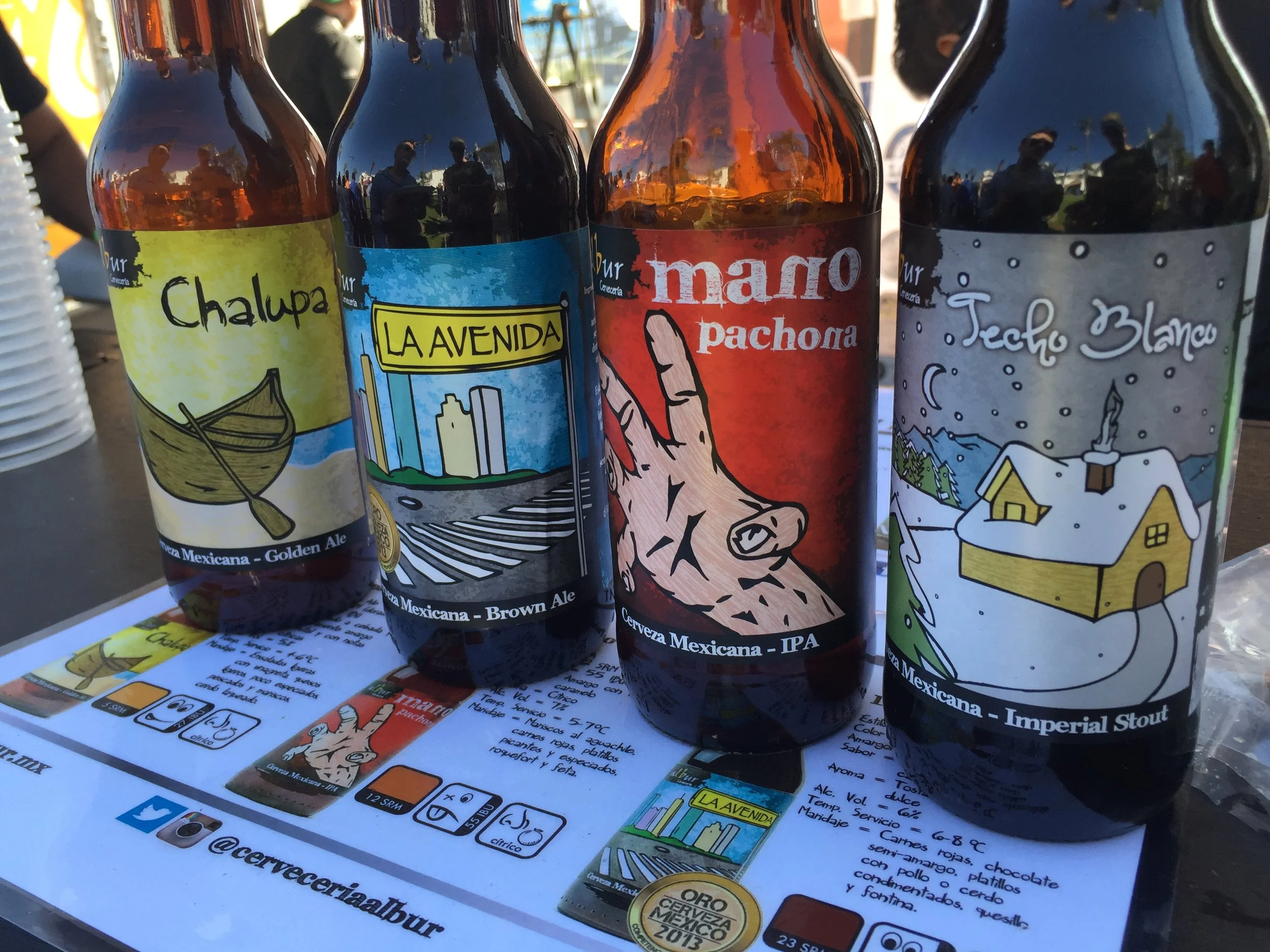
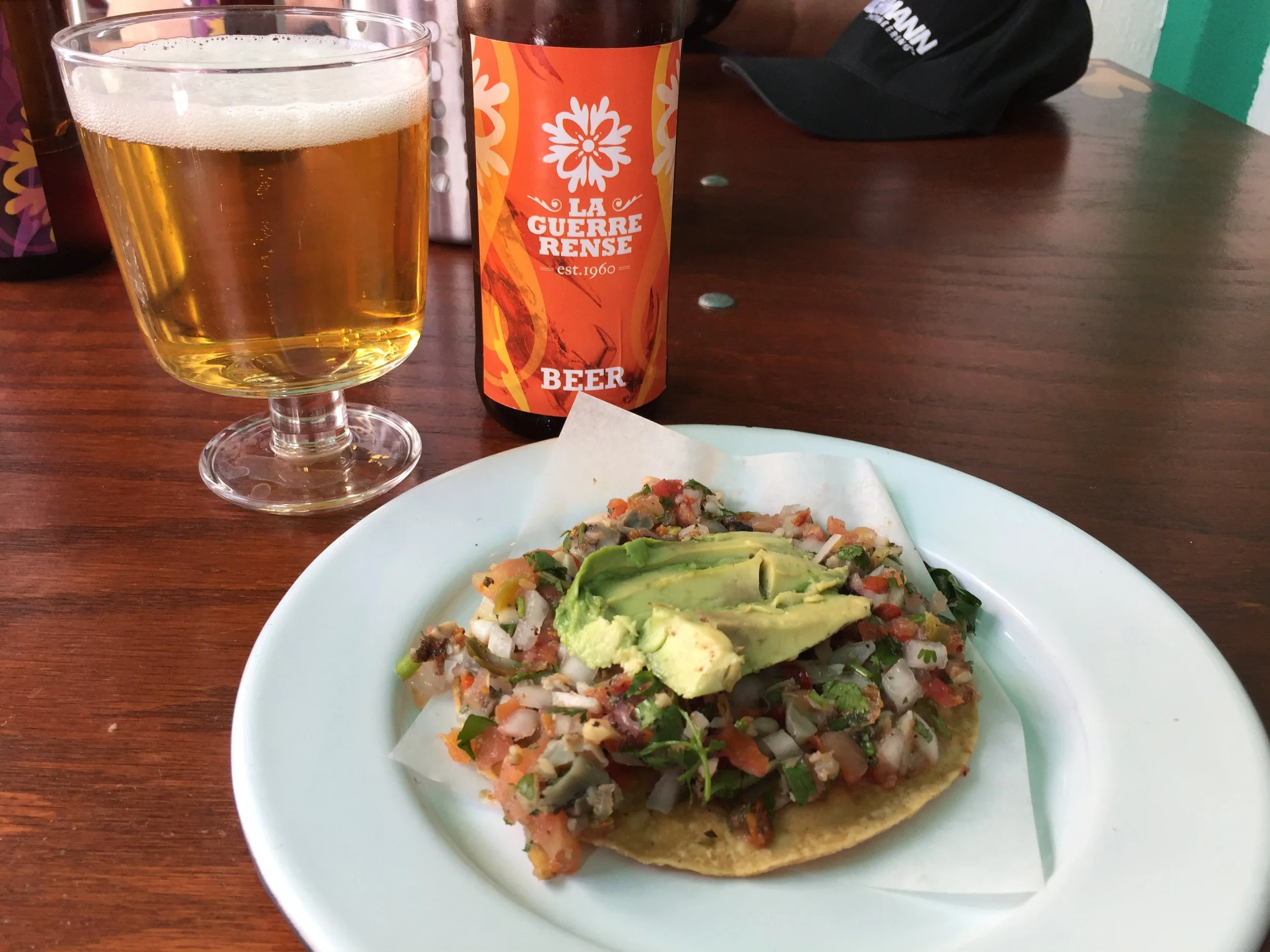
We have a new podcast for your listening pleasure. The main subject is Mexican craft beer, featuring an interview with Enrique Aceves-Vincent Ramirez ofGuadalajara’s Loba Brewing. We talk about the Mexican market, what it's like getting started there, and where things may be headed. A great primer for those of you interested in our southern neighbor.
Read More
Vignette #14: Carlo Grootaert (De Struise Brouwers)
“Anyway, the women made beer on the stove at the time. It was so strong and sweet and very alcoholic so they kept in a little cask in the cellar. If they wanted some beer, they went down with the jug and tapped off some beer—it was flat. But they didn’t like cold beer. So they had to heat it up: they put the metal poker in the fire and it was glowing red, and when they put it in the thick beer (it didn’t have a name, it was called “thick beer”) with lots of sugars in it and the sugars instantly caramelized. It gave it a roasted, caramelized flavor.”
Read More
Cerveza Artesanales de México, Part 1
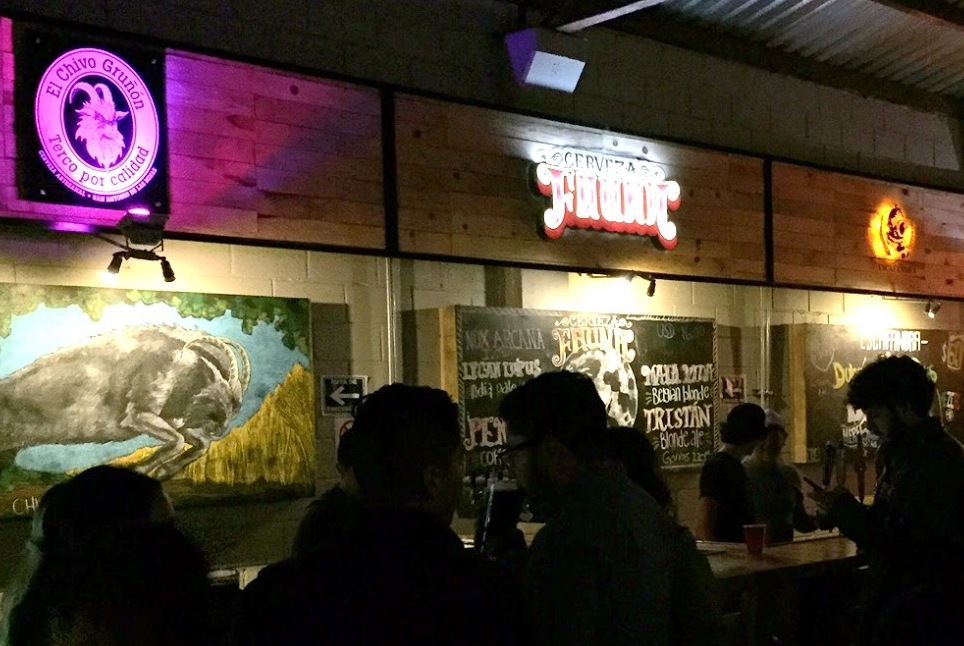
If you can't call to mind a Mexican craft brewery, don't feel too bad. It's a surprisingly recent phenomenon, dating back a little more than a decade. The first significant craft brewery was Minerva, from Jalisco, launched in 2003. That somewhat overstates things, however. One of the people most able to see the scope of the market is Tero Moliis, who founded an ambitious ratings app called Maltapp. "Two years ago--well, in 2014, let's say, there were fifty or as many as 75 breweries," he told me. "Today there are over 600." Over the past year, they've been opening at a rate of more than one a day.
Read More
The Secrets of Master Brewers
A new title has elbowed its way onto the increasingly-crowded beer section at your local bookseller: The Secrets of Master Brewers, my latest book. It is, foremost, a guide to homebrewing. But it's not just a brewing manual. The idea behind the book was to introduce the idea of national tradition, this notion that people who inhabit a region begin to think about beer in a similar way and develop techniques that accentuate their preferences in beer.
Read More
The Baja "Colectivo"
The second—and for me, final—stop was at Baja Brews, a “colectivo” where several breweries are on hand pouring their beers. Imagine a food court, but with breweries. Someone had the brilliant idea of repurposing an old warehouse into Baja Brews, which spills out on the back to a cliff-side view of the Pacific. Live music plays while you sample beers from one of eight (I think) different breweries. It’s a pretty magical place to get a pint of beer.
Read More
En Mexico
I send my dispatch today from under the sunny(ish) skies of Ensenada, Mexico. There's an annual craft beer festival down here that has grown to become one of the more important dates on the annual calendar. Over a hundred breweries will be pouring beer on Saturday and as a lead-up there is a series of talks and lectures from I think largely academic types (I met a researcher last night).
Read More
New Book + Book Launch
In one week's time, my latest book will officially be published: The Secrets of Master Brewers from Storey Publishers, part homebrew how-to, and part brewing anthropology. The book is organized to reveal the proclivity of brewers in different countries. I start with an introduction of the national style and what typifies it, and then offer deep dives into classic types of beer, with recipes and formulations offered by brewers who made them famous.
Read More
Once Again, Whose Culture?
When an American says "I'm Irish," it has nothing to do with Ireland. It's an American telling you something about his own identity. That's how we think. Should we think otherwise? That's not really a question that any culture can adequately respond to. Should the Spanish eat dinner earlier? Should Indians have a shorter sense of time? Should Canadians hunt less?
Read More
Lessons From Speakeasy's Closure
Speakeasy was a big brewery. In 2015, it was the 86th largest craft brewer--or among the largest 1%. Small breweries close all the time--and have, even during that growth boom in the past few years. Not every business plan is well-conceived, not every brewery capable of making good beer. But Speakeasy has been around 20 years and understands the business of making and selling beer.
Read More
Louis the 14th Tavern, 1985, The Widmer Brothers' First Account
Over the course of the coming year, I hope to post these kinds of things from time to time. Below is a short audio clip of Kurt and Rob describing their first sale. It captures the rawness of experience, both of young brewers and also bars used to dealing with familiar distributors, but also of a different time in Portland. I spent a bit of time trying to find any photo--or even mention--of the Louis the XIV (14th) bar, which was located on Sandy, but all record of it seems to be lost. We have to use our imaginations--and the tale below is suggestive.
Read More
Whose Culture?
The United States is almost entirely an immigrant nation. The ancestors of the people who live here now came from other places, and the culture of the country continues to evolve as new groups arrive. We are a country composed of little bits of culture pieced together by people who bailed on their former countries, adding their cuisines and couture and music and beverages to what it means to be "American."
Read More
Vignette #13: Ken Grossman
I had brewed a range of pale ales and when we were thinking about starting the brewery I wanted to do something that was not British, that was American, and wanted to feature American ingredients wherever possible and so chose the Cascade hop as about the only signature American aroma hop at the time. I blended a little bit of brewing technology and history from England with my homebrewing and some US ingredients and came up with pale ale.
Read More
Why We Will Never Abandon Our IPAs
The remarkable thing about both batches (but especially the lupulin powder), was the way the aromas exploded out of the carboys. Simcoes are famous for being grapefruity-to-piney, but the aroma--especially with the lupulin powder--was intensely fruity. Not like any existing fruit, but a heretofore undiscovered, I imagine fleshy, tropical fruit that might, to the most careful of sniffers, suggest hop. But only just.
Read More