Inside a Czech Floor Malthouse
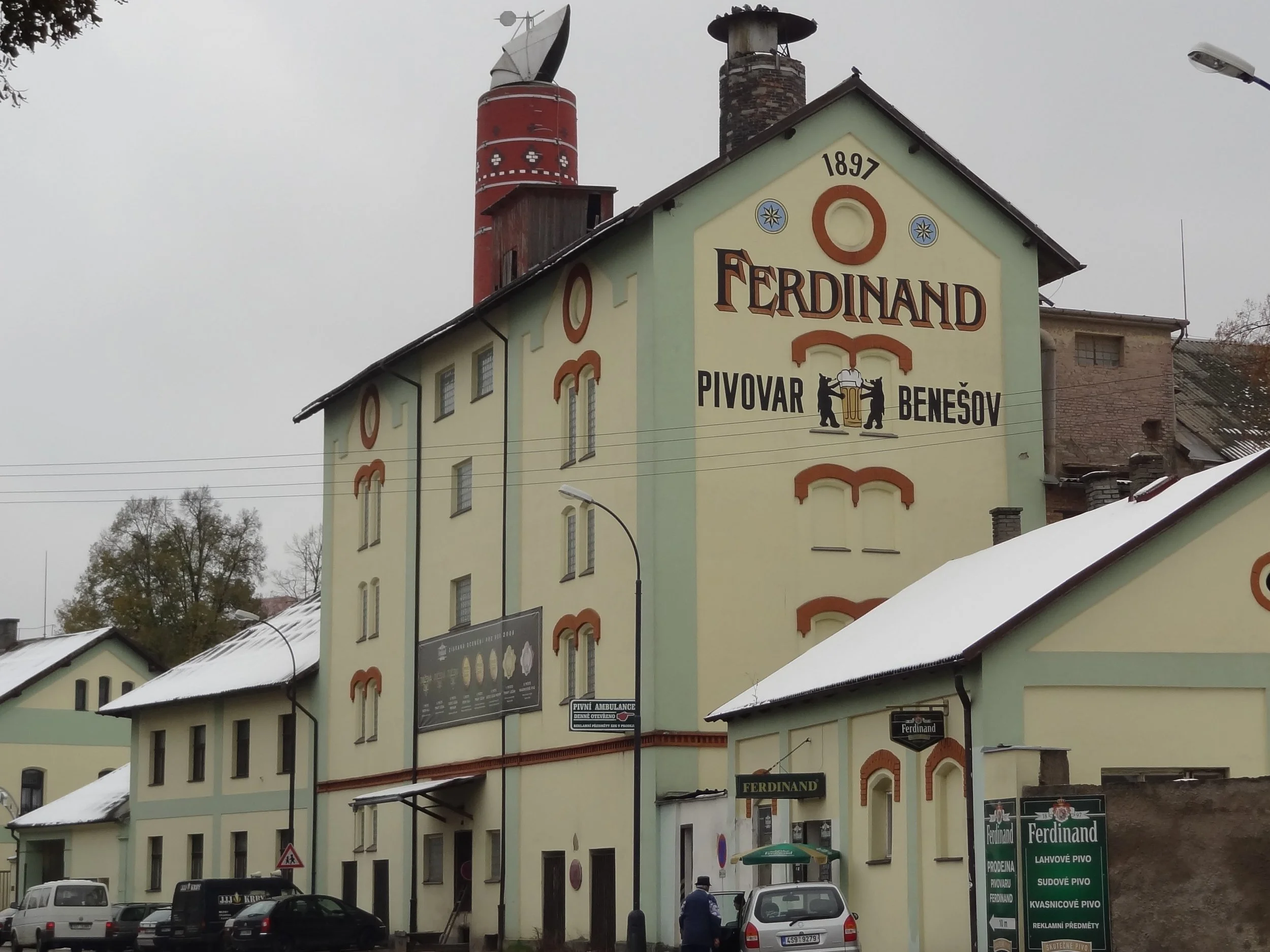
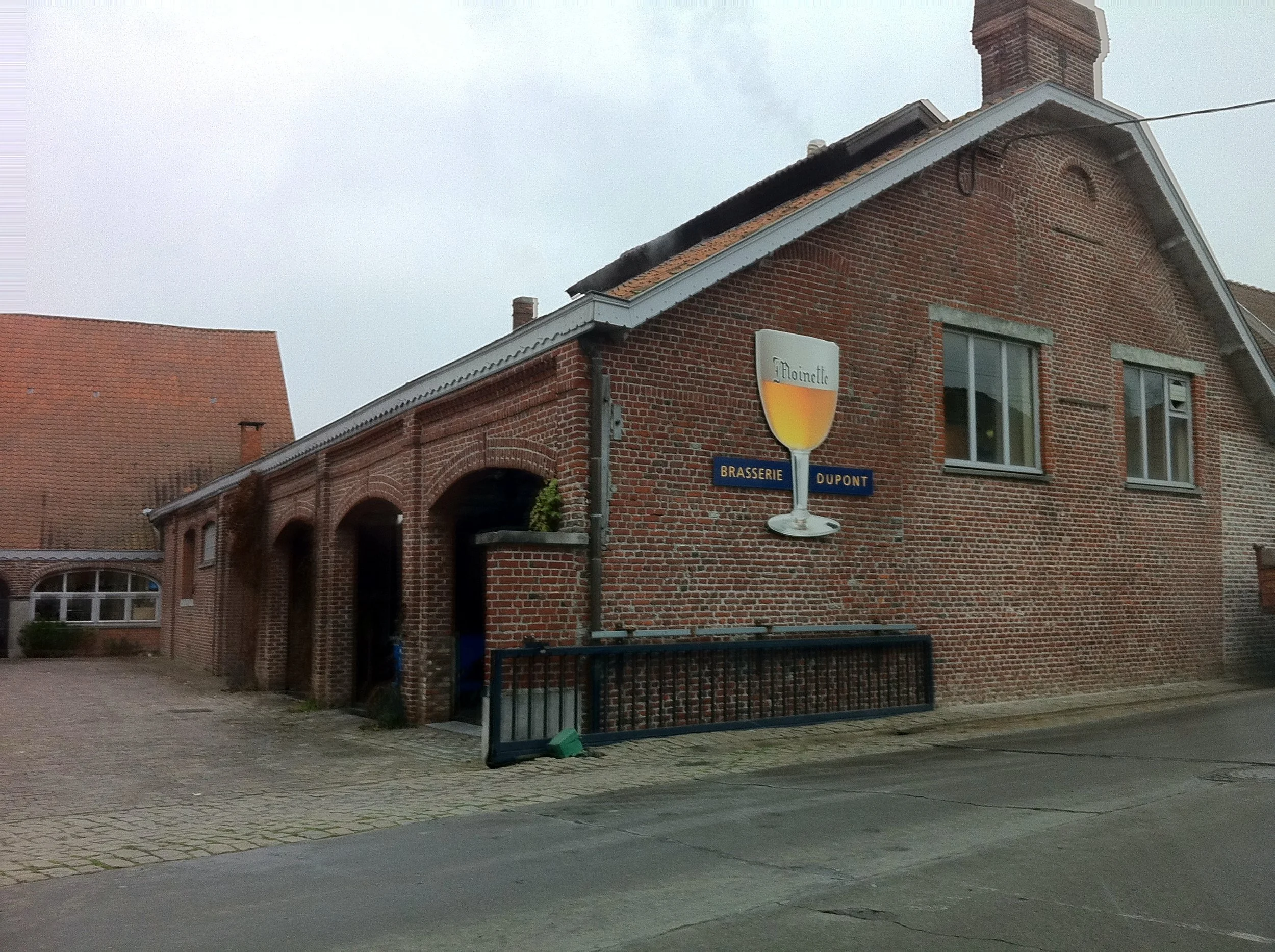
The Ferdinand Brewery in Benešov, south of Prague has been malting their own barley for over a hundred years, and the way they prepare the malt and the barleys they use look remarkably like the approach Americans are now trying to revive. Ferdinand is also the source of Weyermann's Floor-Malted Bohemian Pilsner Malt, which is available here in the US (Patrick and I used it on a recent helles).
Read More
10 Barrel's Tenth Anniversary: There Is No 10 Barrel
Two Saturdays hence (May 13), AB InBev is hosting a massively expensive party in Bend. They're promoting it the way only one of the largest companies in the world can--with prizes, a big music lineup (including De La Soul!), and the kind of overheated marketing gloss the finest agencies supply. The occasion celebrates the founding of a brewery AB InBev purchased in 2014. Shockingly enough, this is not the way they're talking about it.
Read More
In Praise of Pale
The DNA of American pales is closely related to IPAs, but they deliver an entirely different drinking experience. They highlight American hops, particularly a delicate but insistent aroma, but are full in body, lightly sweet, and soft in the finish. The classic pale is scented with the floral aroma of Cascade hops, and picks up its sweetness and caramel flavor (a perfect match for Cascades) from crystal malts.
Read More
Toward Better Barley
It's odd how little we talk about barley. Hops we know like our family members--their varieties and properties, how to use them, what changes flavor in our beer, how to grow and dry them. Barley? I doubt one in a hundred people in a bar could name a single strain we grow for malting here in the US. Malting is if anything more mysterious than the barley itself. I have written at length about beer and have even visited a malthouse or two--and yet I have no real idea what distinguishes the way one pale malt is malted from another.
Read More
Chasing Trends and Trashing Brands
Here's the thing: breweries are unusual businesses. They make a product to which their customers have a strong sense of emotion. This long predates craft beer--for generations, people have attached themselves to Miller or Hamm's or Budweiser with something like the zeal they favor their hometown baseball teams
Read More
Beer and Blue Collar Cities
When you start thinking about the American cities that were famous for beer, they were mostly working cities. The industrial cities of the Midwest leap to mind first--Abbott mentioned St. Louis and Pittsburgh, both brewing cities, but add Detroit, Milwaukie, and Cincinnati. But in early generations, New York and San Francisco had amazing brewing scenes at one time, back when they were also grubbier working towns.
Read More
The Beeriest State Outpaces the Country
The numbers are out, and once again Oregon's breweries continued to flourish, and the beeriest state in the union got more beery. But for the first time, I worry that Oregon may not represent the future of consumption in the US; we may just be an anomaly.
Read More
420: The Intersection of Beer and Cannabis
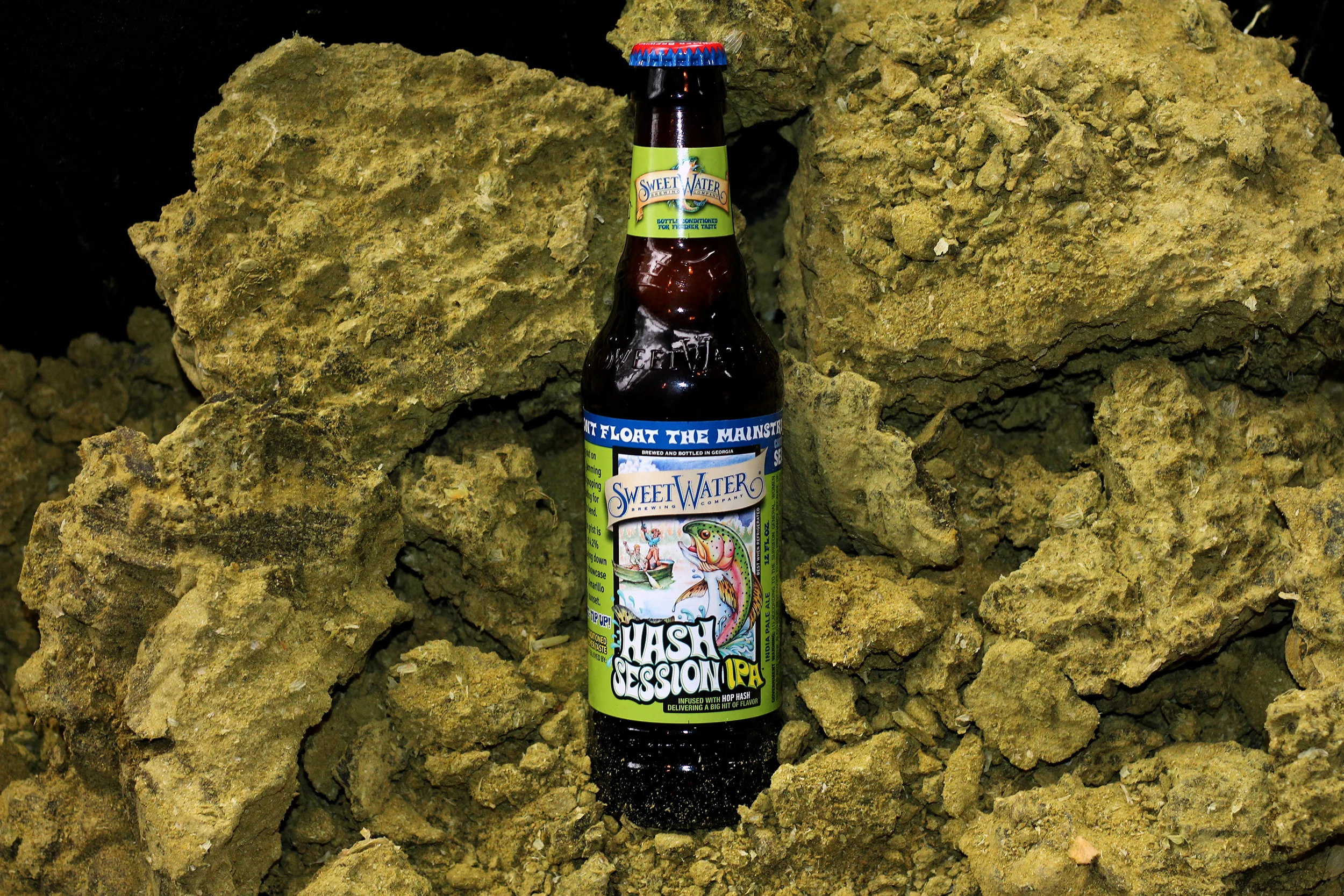
On this 4/20, I thought it might be worth looking at the history of the way beer has borrowed from cannabis in imagery and cultural signaling. (Also note that "cannabis" is actually the neutral, clinical term, not "marijuana," which was a slang term adopted by early anti-weed crusaders to help demonize it.) It has a long history, but one that, like "420" itself, is changing.
Read More
Vignette 15: Jason Perkins (Allagash)
I'm sure you can spontaneously ferment anything anywhere--it just might not taste very good. Our weather patterns here—if you look on a chart—to Brussels, the Brussels area. With the exception of the really cold winters and in the summer, a couple months hot. March through June and late-October through December, they’re identical weather at that time frame. That’s basically what we had to work with and we rolled the dice.
Read More
Yes, Dry-Hopping DOES Add Bitterness to Beer
Modern IPAs have moved away from bitterness in favor of juicy fruit flavors and aromas. But they do still taste bitter. What we're learning is that late-addition hopping and even dry-hopping can add substantial perceived bitterness. The reasons have funny names like hulupones, humulinones, and polyphenols, and we're only just starting to emphasize the role they play in brewing.
Read More
Cerveza Artesanales de México, Part 2
Anecdotally, I gathered that Mexico's craft breweries were were starting basically where Americans did--mostly English-influenced ales, with an emphasis on dark lagers and pales ales. IPAs, outside of the borderlands just south of California, are not really into IPAs, I was told. Fortunately, we can go beyond anecdotes. Tero Moliis is the founder of Maltapp, the main Mexican beer app (something of a cross between BeerAdvocate and Untapped). He looked into his database and pulled these numbers for me:
Read More
The Birth of a Romantic Fact
A couple years back, John Holl and I were drinking beers at The Commons when the topic of "romantic facts" came up. Romantic facts? You know, those (false) stories that have gotten repeated so often they've come to be accepted as truth. Ben Franklin saying "Beer is proof God loves us," or the one about how a monk smuggled yeast into Bohemia from Bavaria to brew the first pilsner--those kinds of things. In journalism there's a concept about a story that's too good to fact check, and the romantic fact is beer's version of that.
Read More
Golden Ale is a Thing. Why?
One of the most interesting phenomena in American beer right now is the inexplicable success of golden ales. It's one of the least-examined, too, probably because it's absolutely mystifying. It all started about five years ago, when Firestone Walker released a nondescript little 4.7% golden ale called 805 for the California market.
Read More
Of Course Beer Came Before Bread
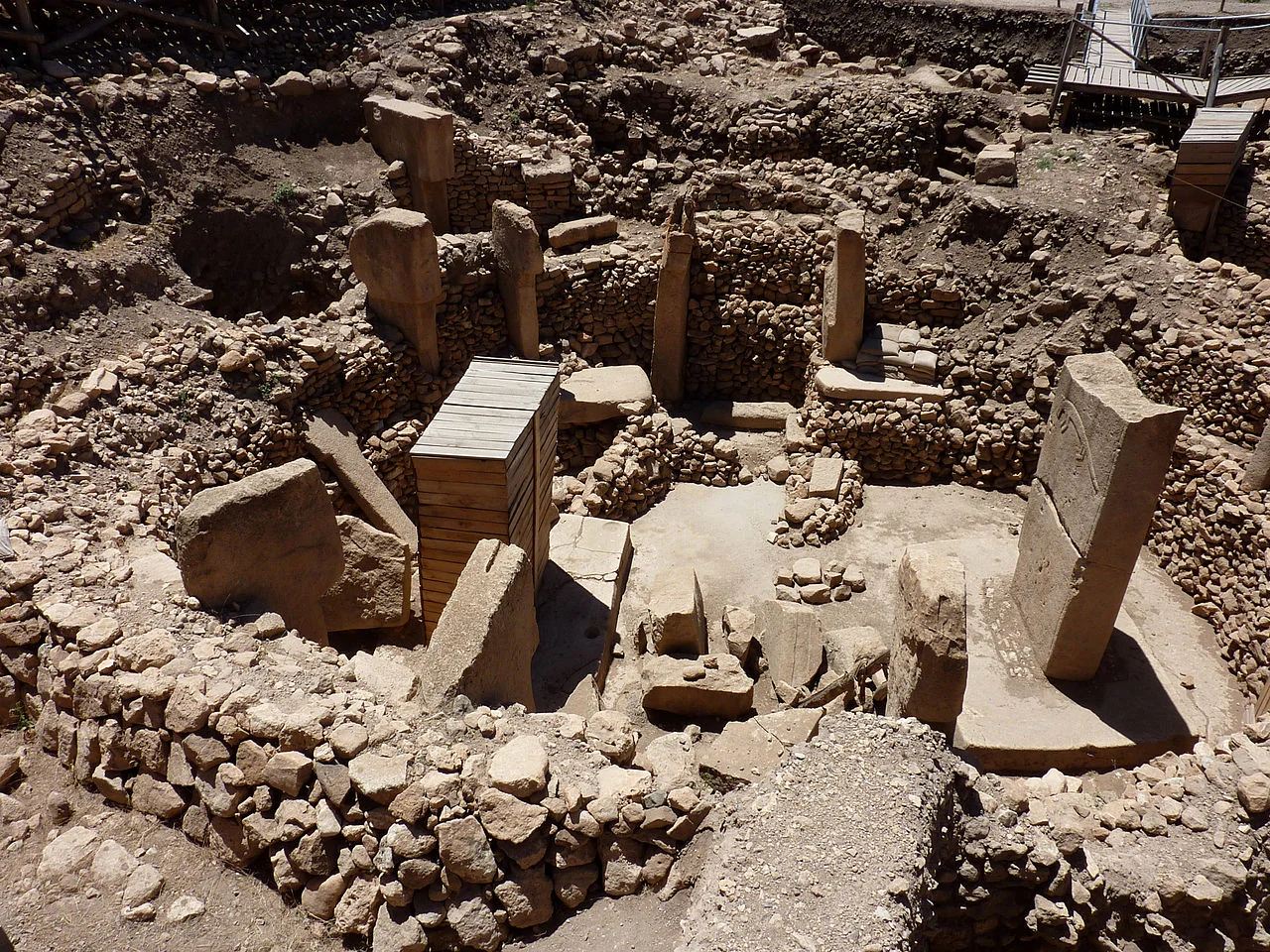
For decades, beer partisans have argued that fermented rather than baked grain led humans to begin sowing the fields, settling down, and abandoning their hunter-gatherer ways. I have found none of their arguments persuasive; there just wasn't a smoking gun to support it one way or another. Food is a more basic need, and in the absence of evidence, bread seemed the more likely spark to a change as revolutionary as domesticating crops.
Read More
When Grocery Store Chains Go Macro
Last week, Duke Geren posted the picture you see above on the Beervana Blog facebook page. In case it's not immediately obvious what's going on, he added the following description: "This is a grocery reset in progress. When done about 1/4 of the beer in this set will be craft. Was closer to 3/4 when this store opened."
Read More
From There to Here: The Evolution of American IPA
IPAs have won. They've conquered not only the United States, but are beginning to encroach on major cities across Europe and Latin America. Asia is not far behind. If you require proof, how about these two news items that landed in my inbox yesterday: (1) The Bruery, that Belgian-inspired barrel-aging stalwart from Southern California, is releasing a new line of beer composed entirely of IPAs, and (2) The Commons, who has made farmhouse beers the quintessence of their approach, are releasing, with apparent sheepishness, Pay No Attention to this IPA.
Read More
Michelob Ultra is Crazy Popular; What Does This Tell Us?
On one end of the market, flavor is driving sales. Leaders in the craft segment may be suffering, but as Bud (down 5.6% this year) and Bud Light (-3.6%) both continue a slow death spiral, mass market craft like Goose Island are flying off shelves. So how does a flavorless, blandly corporate beer becoming one of the few success stories in the domestic mass market sector? Branding is the only answer anyone can identify.
Read More
Pope Francis to Trappists: No More Beer
Francis also singled out the handful of Trappist monasteries producing beer in Europe, adding that anything that "interfered with clear devotion" was not a proper function for Church brothers. Church traditionalists, already in turmoil over early actions by the new pope, were left reeling by the news.
Read More
An Update on Cider in Oregon
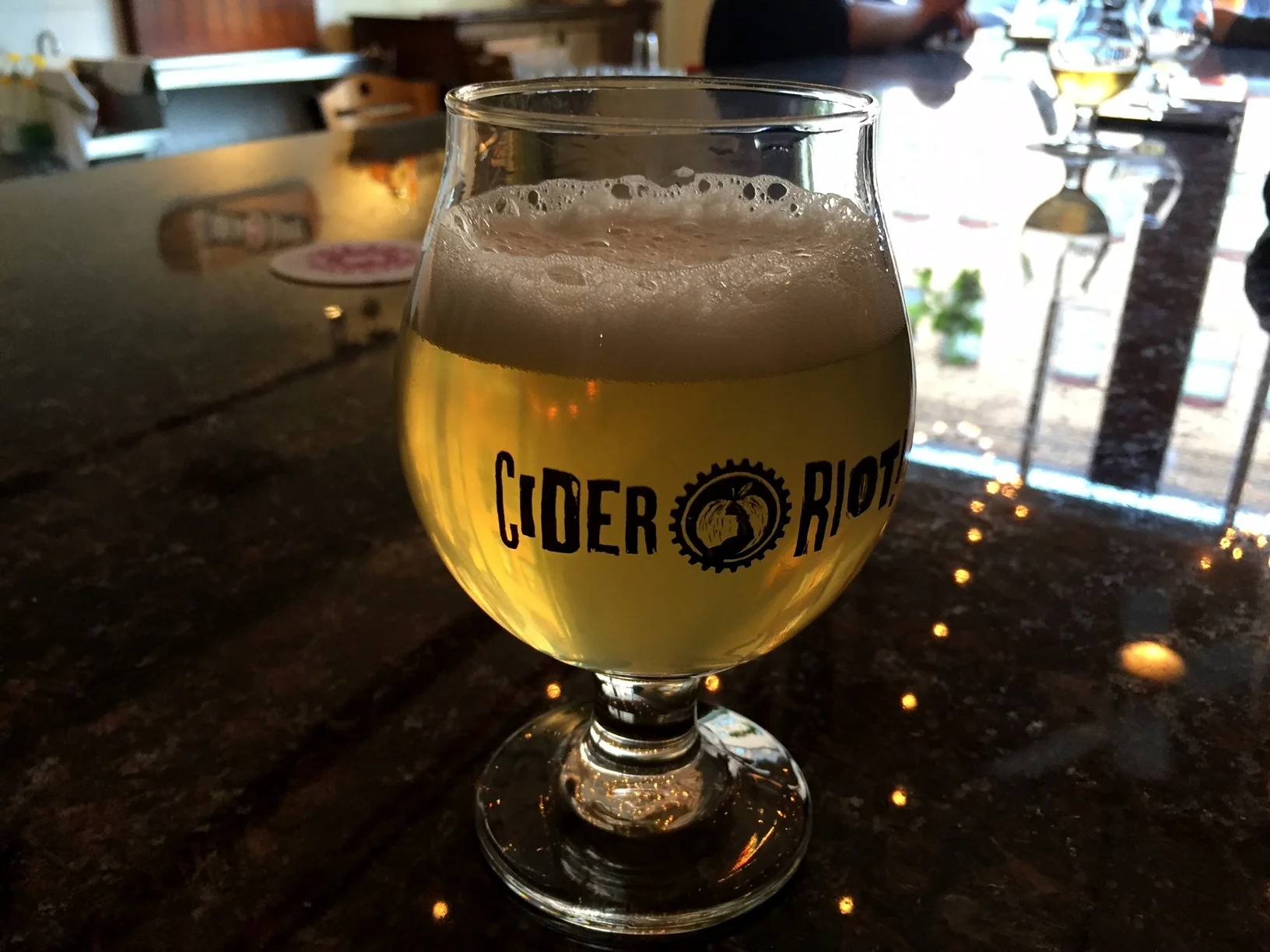
On Monday, Cider Riot's Abram Goldman-Armstrong put 63 hectoliters--nearly 60 barrels--of cider in cans for the first time. Yesterday he had a media event at his pub and cidery to introduce Everyday Cider and it made me realize some things have changed since I last checked in on cider. Time for an update.
Read More
Welcome
Hello, all, and welcome to the new digs. I first founded the Beervana blog in February 2006, and it has lived as a Blogspot domain throughout its life. You may imagine that it wasn't so tacky to have a blogspot blog in 2006, but you'd be wrong. Perhaps not as tacky, but tacky nonetheless. This blog has been a long time coming.
Read More