Von Ebert’s $3 Clubhaus Lager Experiment Has Been a Big Hit So Far
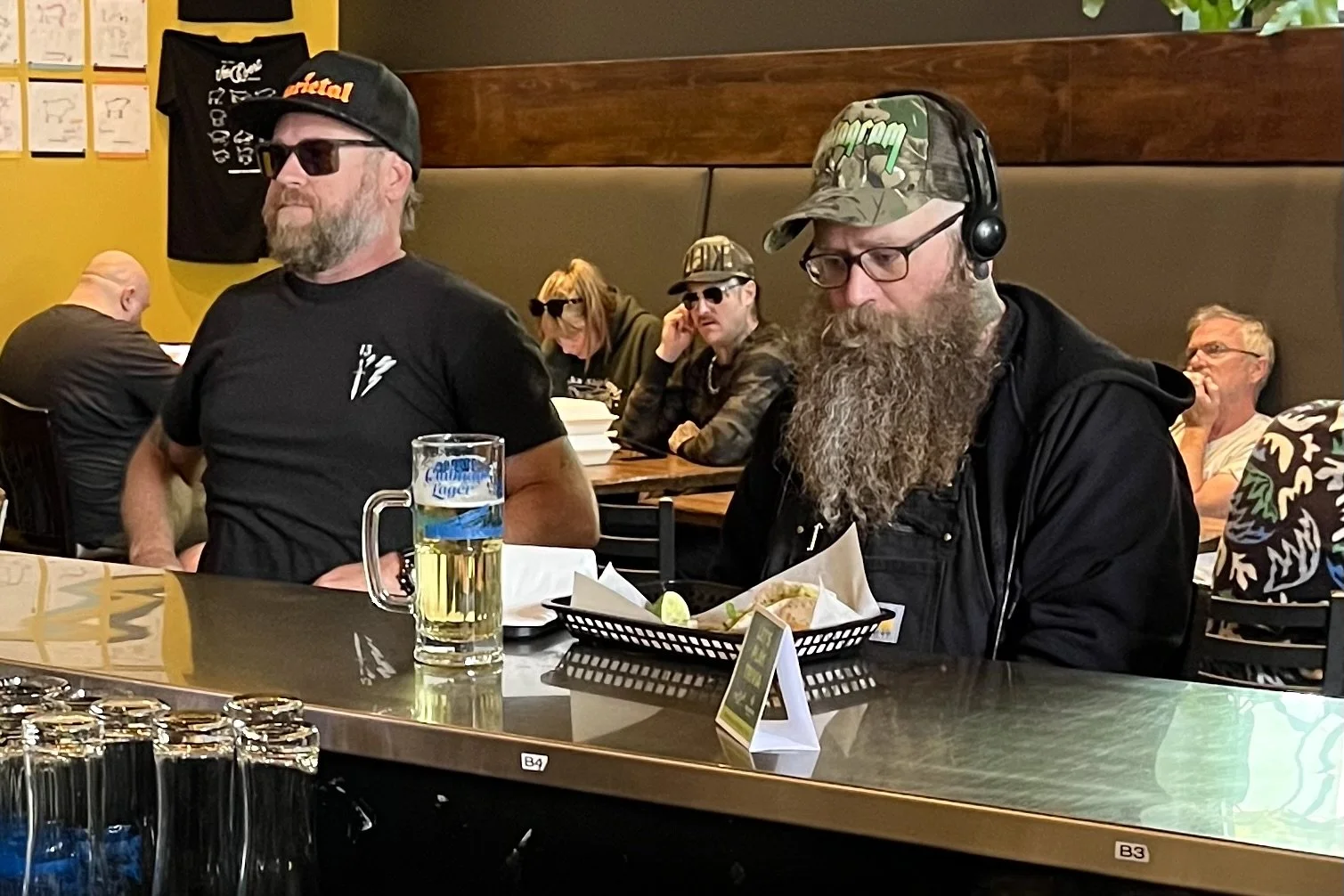
About three months ago, Von Ebert launched a fascinating experiment. They dropped the price on their gold-medal light lager, Clubhaus, to an astonishing three bucks. For a twenty-ounce pour in their distinctive Clubhaus mugs. And not just on special hours or days—that’s the regular price. If you walk into any of the three Von Ebert locations, you can drink an imperial pint of beer for a price you’d have paid in, what, 1995?
No surprise, Clubhaus has become a popular pint. It now constitutes a quarter of sales at their main brewery location in North Portland. “Customers love it. They feel like they’re stealing from you,” said Joe Janaszek, Senior Director of Anchor Point Management (whom Sam described as “a Tom Hagen-esque consigliere”).
Von Ebert is on the leading edge of the “value” approach to on-premise sales. A decade ago, breweries attracted drinkers with exotic new beers, but following defections to imports, seltzers, and a global pandemic, the calculation has shifted. Now breweries are focused on putting butts in seats, and a new IPA is no longer enough to do it. Von Ebert had already had some luck discounting Clubhaus elsewhere, and they thought it could pay off if they went big in their own taprooms. The risk didn’t seem that great, either. “In order to justify the price break, we’d need to get just 2-3% more traffic a year,” Joe said. “I want people to come back 2-3 times a month, not 2-3 times a year.”
Three months on, brewmaster Sam Pecoraro and Janaszek joined me to discuss how the experiment is going. (Spoiler alert: pretty well.)


It Started With the Beer
For those of you who don’t live in Portland, a little backstory on Clubhaus. Von Ebert’s second location is in the clubhouse building of an East Portland golf course. It is way out past the craft beer zone, and a lot of the people who sat down at the 19th hole for a beer were not, shall we say, familiar with terms like “DDH” and “cryo.” This is the kind of clubhouse with Naugahyde bucket seats, and a beer like Clubhaus seemed like a nice way to meet their customers halfway.
“If we were going to do a light lager, we wanted to do it right,” Sam said. “Let’s not copy another beer, let’s just make the best light lager available.” When Clubhaus debuted in 2019, the recipe called for corn and came in at 3.8%. They got their cool mugs, and it was a fun theme beer. It sold pretty well for a while, but by 2021 sales sagged. The brewers weren’t satisfied with it, either. They reformulated it, swapping out the corn and using a small amount of rice. Importantly, they did a “high gravity” brew, making an 11.5 Plato, 5% beer. The change improved the fermentation, making it cleaner and crisper when they brought it back down to 3.8%.
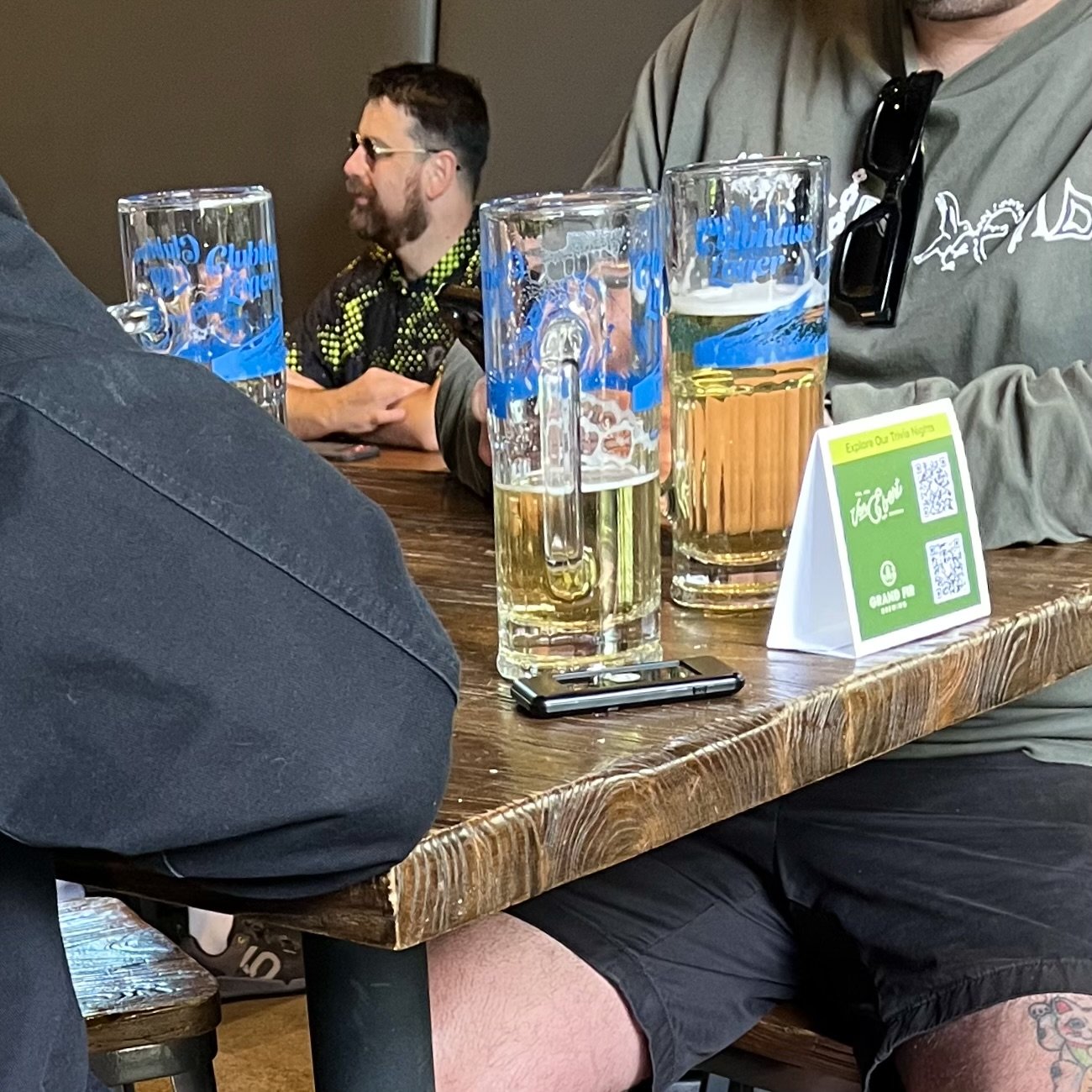
About that time, owner Tom Cook sat down to talk to Sam. He wasn’t convinced Clubhaus was going anywhere, and thought it might be time to kill the beer. By this point, the brewing team was really happy with it, though, so in a last-ditch effort they decided to push Clubhaus out into the market, pegging the price to a keg of Coors Light. That in turn got the distributors interested, and it started growing.
The reformulation was an important piece of the puzzle, too. The beer is really good, and as evidence, it won the gold and silver at the most recent World Beer Cups, and a gold at the most recent GABF. (Many of the lessons of this story may be universal; formulating a world class beer might not be quite as plug-and-play.)
One of the key moments in the evolution of Clubhaus came when two local bars wanted to carry it at a discount. They liked the idea of offering a great beer in bespoke glassware at half the price of their other craft beers. One of the two, Tinker Tavern in Montavilla, actually engaged Von Ebert and made two requests. First, could they bump up the alcohol to 4%, which would make it seem like more of a deal. “And then he got cocky,” Sam said jokingly of owner Eric Mahan. “He wanted 16-ounce mugs instead of 20, so we did that for him.” They were successful test cases—both still feature Clubhaus at discount prices. And that in turn suggested a possibility for Von Ebert.
The $3 Pint
Joe Janaszek previously worked at Buffalo Wild Wings, and used the lessons he learned there to inform this project. Initially, Von Ebert was offering $1 discounts on beer at certain times. Joe believed that wasn’t enough to really incentivize drinkers. Von Ebert also learned that food deals took a long time to show up in the numbers. But with Tinker Tavern selling Clubhaus for $4, and the “Beer” pub selling it for $3.50, they had some baseline for how customers might respond. Still, Von Ebert didn’t immediately go whole hog on the three dollar pints. In 2024, they started with a happy hour Clubhaus promotion at their satellite locations at the golf course and in Beaverton.
When they opened the taproom at the new Mississippi neighborhood brewery, however, they had an opportunity to try something really bold. “We opened this place and everything was new, so there were no expectations,” Sam said. “We already pay for the whole building, so it wasn’t a financial risk. We decided to do [$3 Clubhaus pricing] the whole time.”
Joe tracked sales. They had been doing this for about twelve weeks when we met, so he compared sales for the twelve weeks before they initiated the $3 program against the twelve weeks after. He divided the tabs between those in which someone ordered at least one Clubhaus and those where they ordered none. The numbers were striking:
On orders where someone got a Clubhaus, the overall check brought in roughly $8 more (22%) than in parties where no one did.
People who drank Clubhaus returned to Von Ebert 15% more than those who did not, and 28% of guests who ordered Clubhaus have returned twice.
At their Glendoveer location (the golf course), sales of Clubhaus shot up 57% after they initiated the change, and they went up 35% in their Beaverton location.
The brewery can still make a profit on a $3 pint, but it then becomes a volume proposition. Because Clubhaus is so cheap, the volumes have really gone up—a virtuous cycle. And just having the beer on the menu has created a halo effect. The typical customer doesn’t come in solely for cheap Clubhauses. Instead, they vary their session with a Clubhaus and other beers, saving them money they then use to spend on more beer or food. That’s why people end up spending more.
I witnessed this last weekend, when Sally and I visited for lunch. (It’s the only way to get the barbecue from Har-BQ, which sells out by midafternoon.) It was packed, and a guy asked if he could join us at our table. He had a hazy and a pile of ribs. Turned out he was from NYC, visiting Portland on vacation. He came back with a Clubhaus as his second beer, marveling at the price. I suspect that’s typical. You buy a Clubhaus and a Volatile Substance and your check averages out to five and a half bucks.
In another deal, Von Ebert was selling their Mexican lagers for $4 if you bought food from their truck (which has the best mole in Portland). That’s a nice way to encourage customers to support their food partners.
Nobody knows what the future of craft beer is, but Von Ebert’s experience may point to its present. Consumers are experiencing price shocks across the economy, and inflation is once again on the rise. Even though the price of beer has risen less than other consumer goods, that $8 pint still seems steep to most pub-goers. In order to keep tabs from ballooning, customers are buying fewer rounds, or economizing on food.
Before Covid, the taproom was like a cheat code for breweries—the margins on beer were high and they attracted big crowds. Now breweries have to try to coax people out with different inducements. Von Ebert may have found an excellent option. It seems counterintuitive, but by lowering the price of Clubhaus, they’ve found a way to get people into their pubs, spend more per visit, and return more often. It’s a win-win-win.