Incubating More Than a Brewery
There aren’t too many bright spots in the beer industry right now, but I discovered two projects in Chicago that have the capacity to expand the market for craft beer. They involve unusual business models and entrepreneurs targeting communities who haven’t yet discovered good, locally-brewed beer.
Read More
Inside Guinness's New Chicago Brewery
If you are an average human—I was, it turned out—you will stop dead in your tracks and goggle at the massive abstract harp sculpture that floats over the central bar. It has churchy swoops and rises, recalling a pipe organ, and, like a cathedral, draws the eyes up.
Read More
Reverend Nat's Calls it Quits
After twelve years, Reverend Nat’s Hard Cider is ending its run. But founder Nat West isn’t sad about it and he doesn’t want his fans to be, either. Here’s the story, and the legacy the cidery leaves behind.
Read More
Barley Brown’s: 25 Years of Invention in Oregon's High Desert
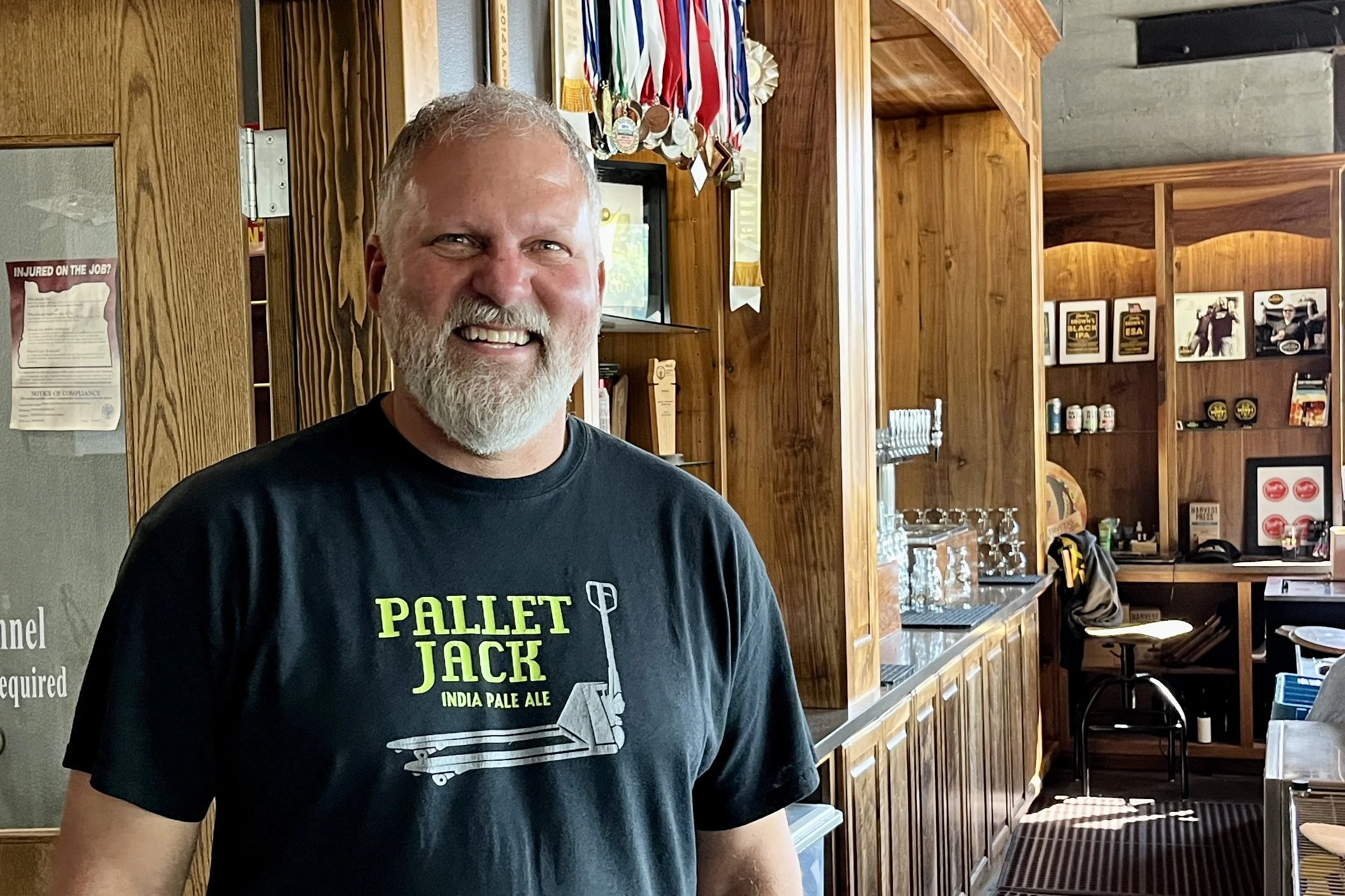
What makes an iconic brewery? I wonder if sometimes it’s the distance from a major city so many of them seem to reside. Living out on the high desert of Eastern Oregon has given Barley Brown’s the freedom to make beers with a definite identity.
Read More
Skydance Brewing's Remarkable IPAs
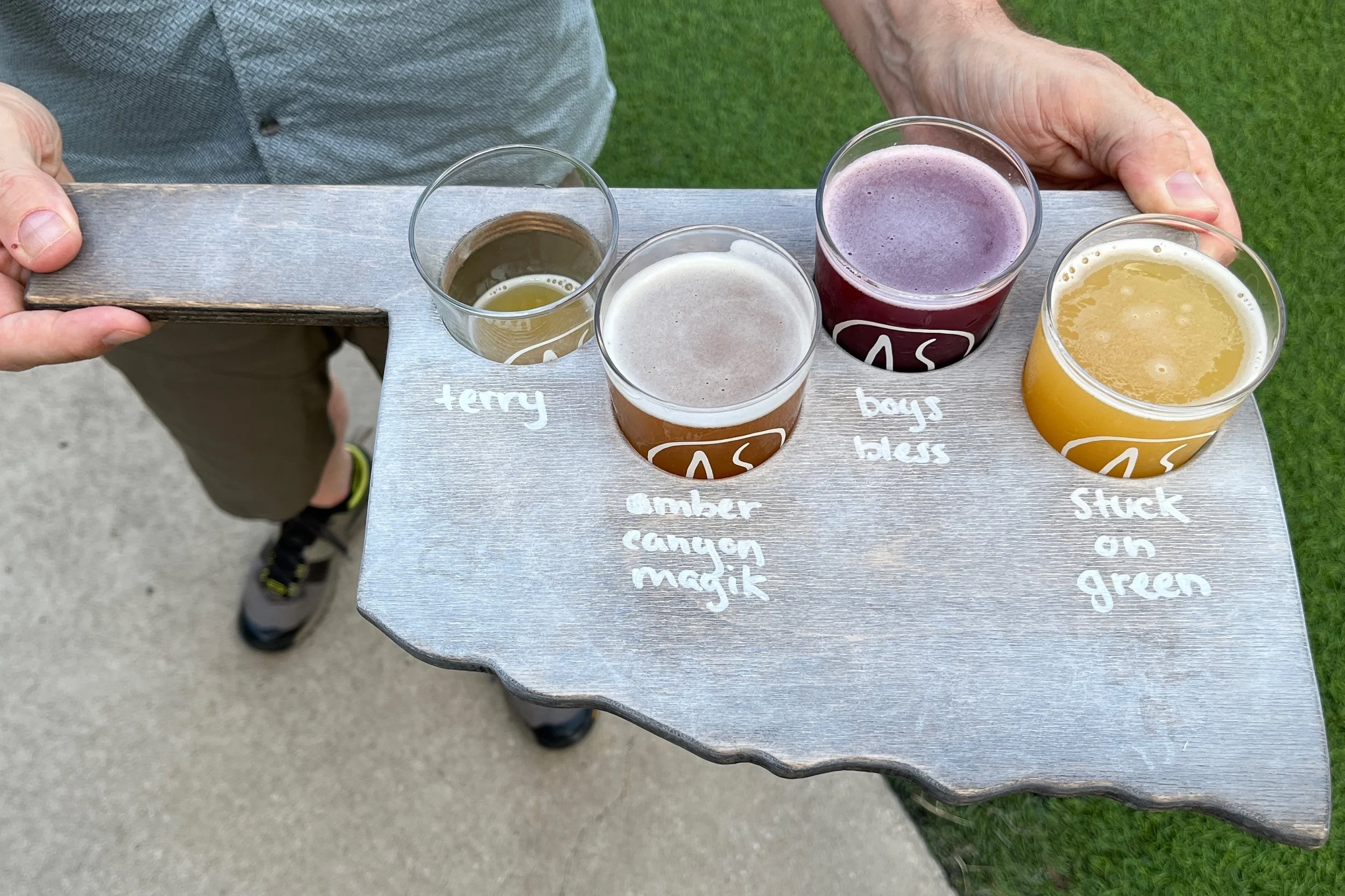
I enjoyed a lot of wonderful beer in my visit to Oklahoma, but the IPAs Jake Keyes is making at Oklahoma City’s Skydance really stood out.
Read More
Lessons From Oklahoma
Whether or not you have been to Oklahoma or ever plan to go, it’s worth taking an ethnographic look at a young and developing beer scene that contains its own character and lessons. You’re doing fine, Oklahoma!
Read More
New(ish) Breweries: Fracture and Pono
Two breweries joined a small wave opening in Portland in the past year, and even in a very crowded market they bring something eaters and drinkers won’t find elsewhere.
Read More
De Garde at Ten: How Wild Ales Have Changed in a Decade
Oregon’s De Garde Brewing, possibly the only brewery outside Belgium exclusively making spontaneously-fermented beer, turns ten next month. That decade charts big changes in the fortunes of wild ales in the US.
Read More
A Closer Look at Living Häus
Just six months since it launched, Living Häus is making some of Portland’s best beer. In this post, I talk to Mat Sandoval and Conrad Andrus to see what makes it tick.
Read More
There Are Two Kona Breweries, and One is Independent
Did you know there were two Kona Breweries? Both make Big Wave and Longboard Lager. Both have the same evocative island art and the same motto (“liquid aloha”). Yet the original one on the Big Island is now independent and has nothing to do with the stuff made on the mainland.
Read More
Rediscovering Brussels' Brewing History
When Yvan De Baets and Bernard Leboucq installed their brewery in Brussels in 2010, it doubled the number in the capital city. Since then, a number of new breweries have followed, but none have focused so single-mindedly on creating hometown beers.
Read More
Whitney Burnside’s New Brewery, Grand Fir
For obvious reasons, accomplished brewers don’t love people constantly focusing on their gender. Any brewer who manages to work their way up from keg washer to celebrated brewery owner deserves attention and respect, and yet it’s something of a watershed moment for Portland to see a woman do this.
Read More
Portland's Best Breweries (2022)
In the finale of Portland Travel Week, I offer you my annual list of Portland’s best breweries. This should be a handy guide for visitors—and, given how many breweries the city has and how few days in the year, possibly locals as well. See who made the list this year!
Read More
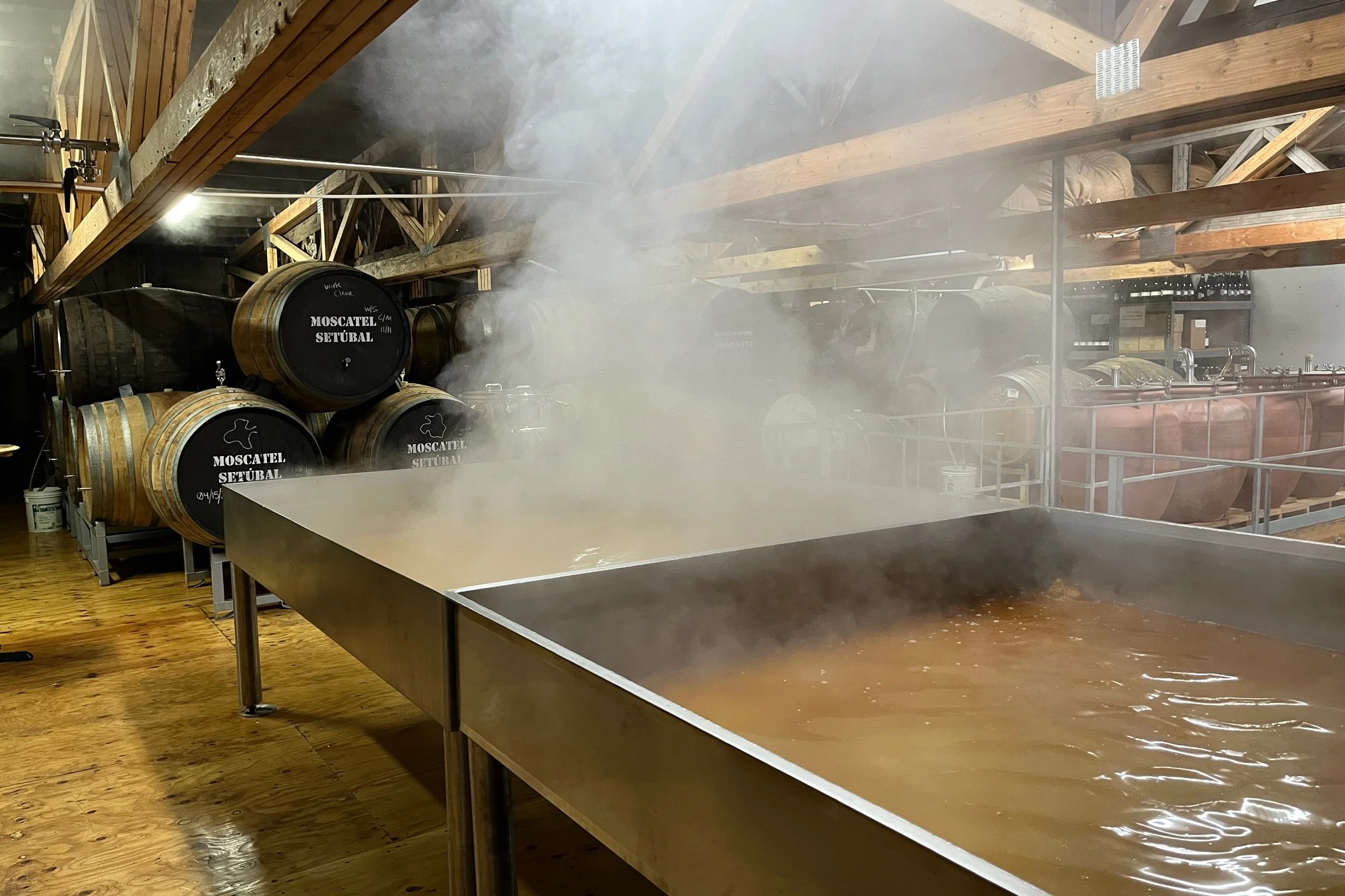
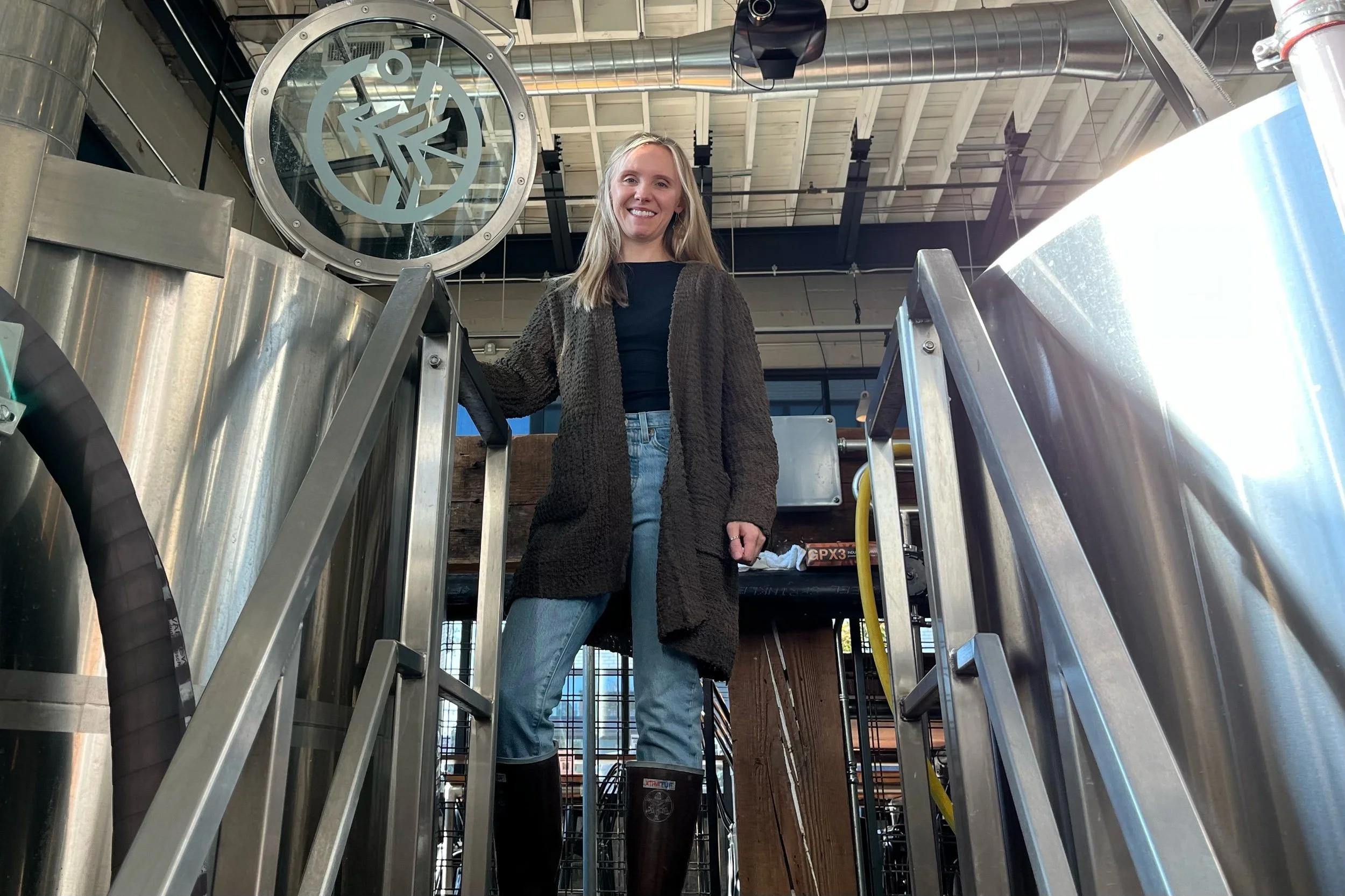
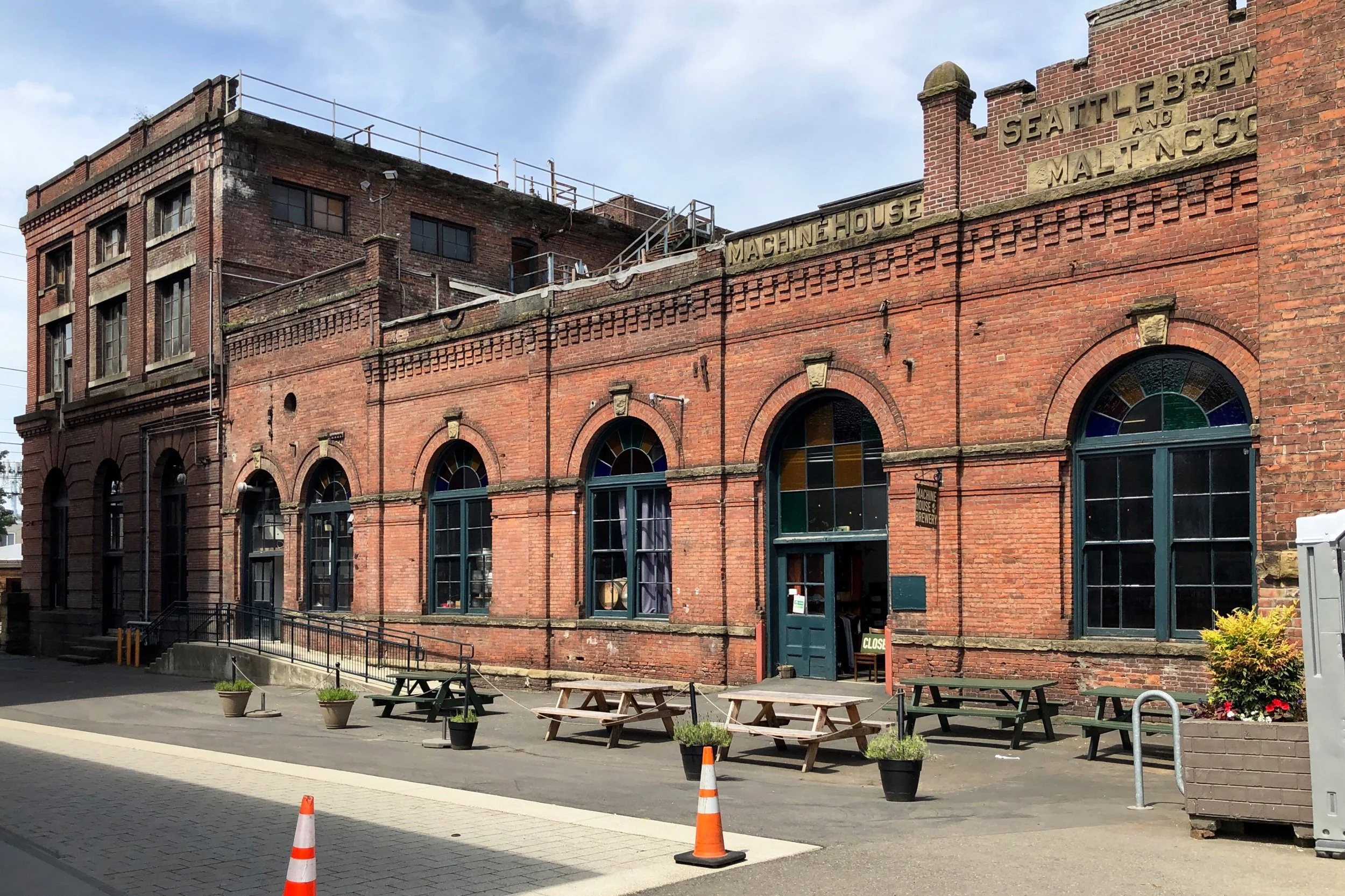
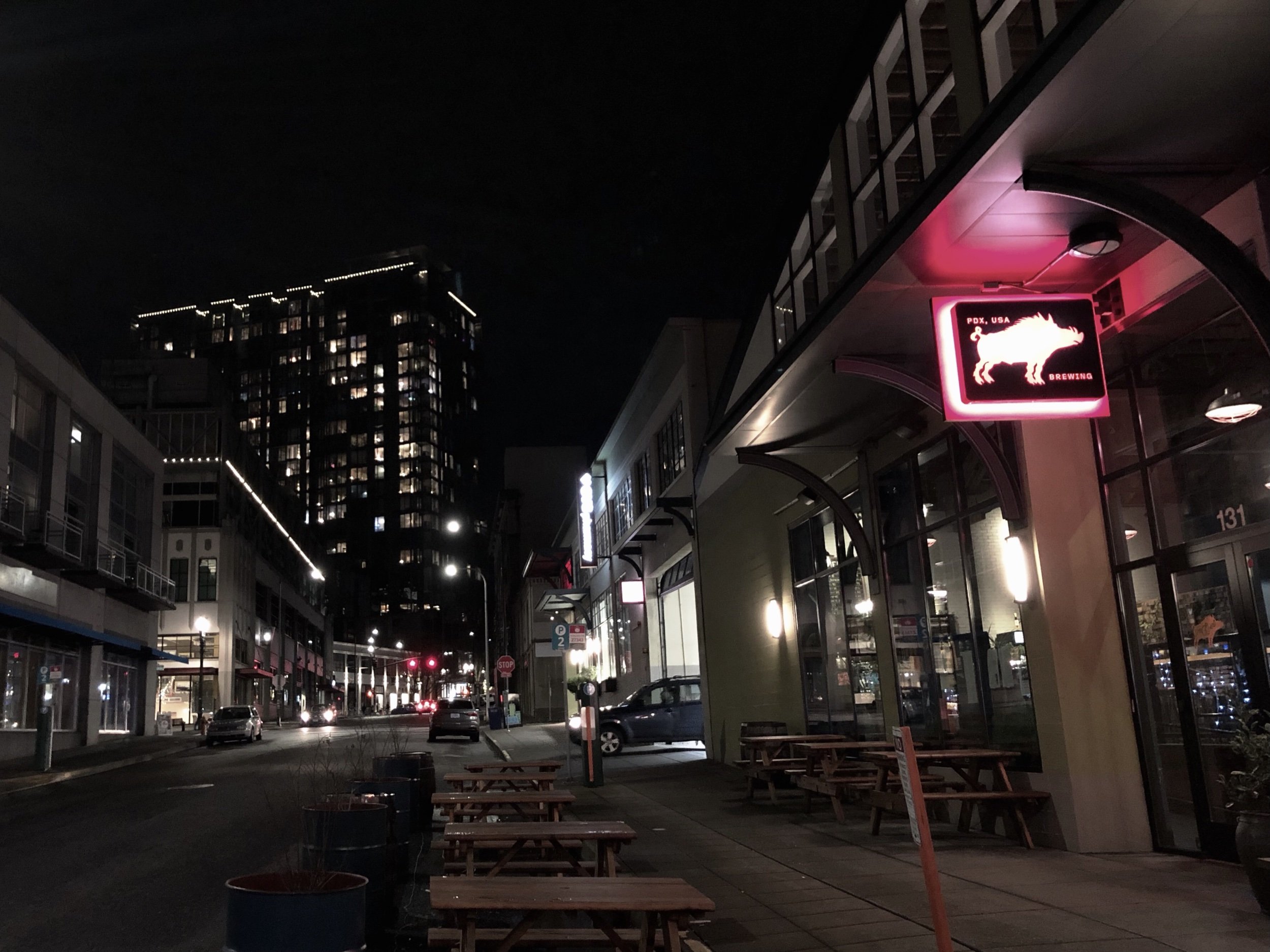
Three Breweries Show Seattle's Range
On my recent, short visit to Seattle, I managed to pop in to six different breweries, but here are three that illustrate the range and diversity the city now boasts.
Read More
The Secrets of Von Ebert
Portland’s Von Ebert pulled off the singular trick of winning gold at both the GABF and Oregon Beer Awards for Volatile Substance, their IPA. A year earlier, their IPA Nothing Noble took bronze at GABF. It was high time I spent some time at the brewery to figure out their secrets.
Read More
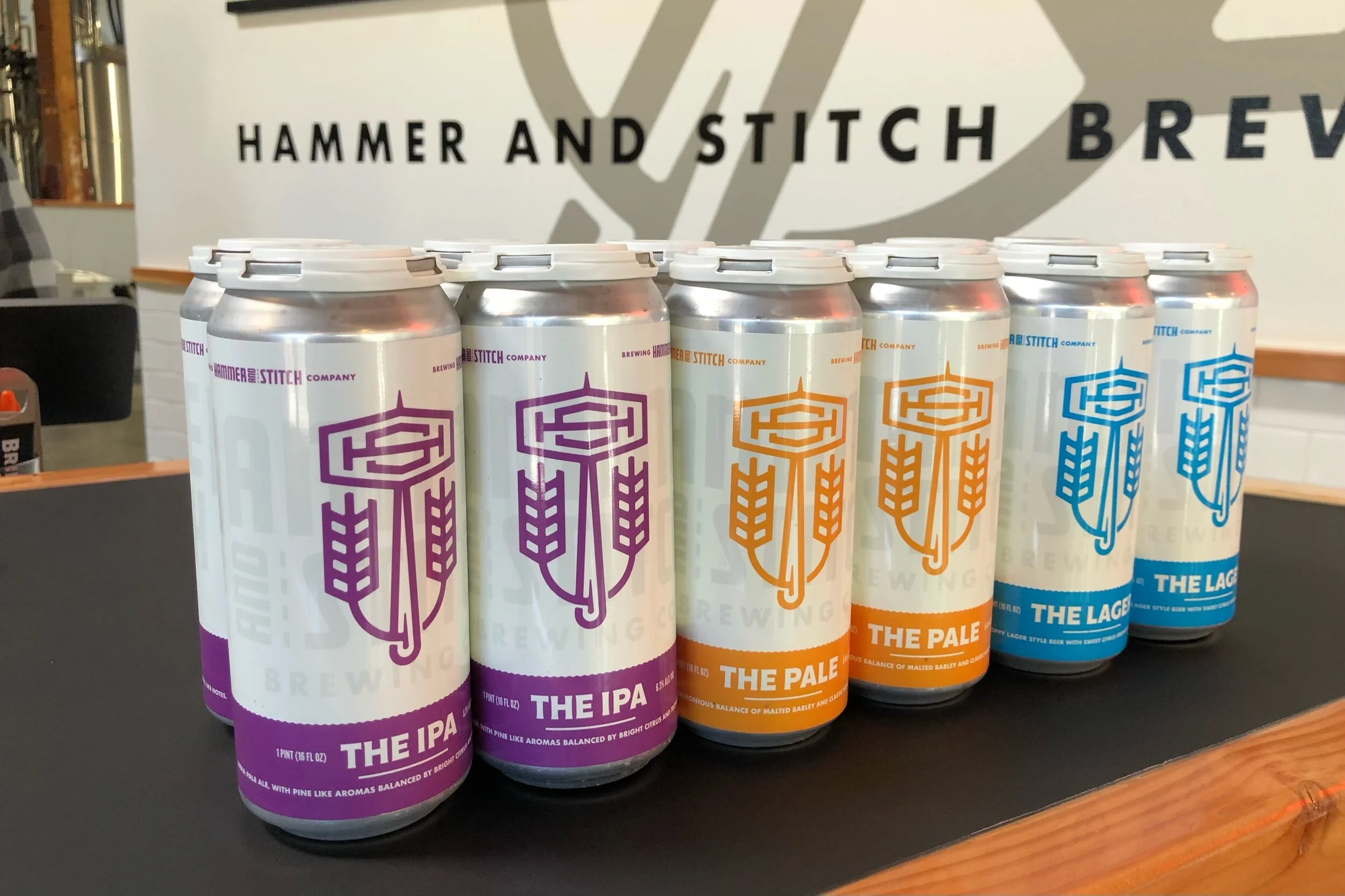
Hammer and Stitch Makes a Covid Debut
Hammer and Stitch has been open seven months, but debuted in October, just as the pandemic entered its most debilitating phase. For most people venturing out with the spring sunshine, it is a brand new brewery. Here’s a first look.
Read More
Pelican at 25: a Brewer's Brewery
In May, Pelican Brewery turns 25. For the whole of its life, it has reflected the vision of its longtime brewer, Darron Welch. Yet unlike so many legacy breweries, Pelican is growing and thriving. There’s an important lesson here.
Read More
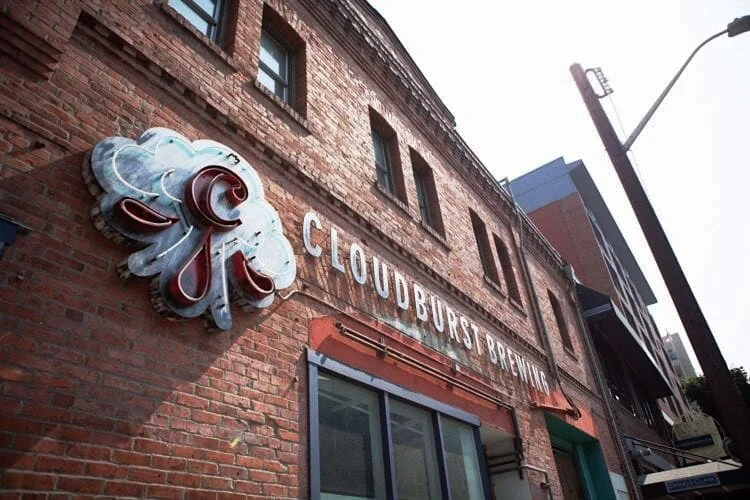
Cloudburst’s Essential, Quintessential Northwest IPAs
Cloudburst’s hoppy ales are at once familiar yet distinctive. They shimmer with hop particulates, but don’t look hazy, exactly. They feature saturated juicy flavors, appreciable (but far from violent) bitterness, and a spectacular quenching dryness that make them dangerously drinkable.
Read More
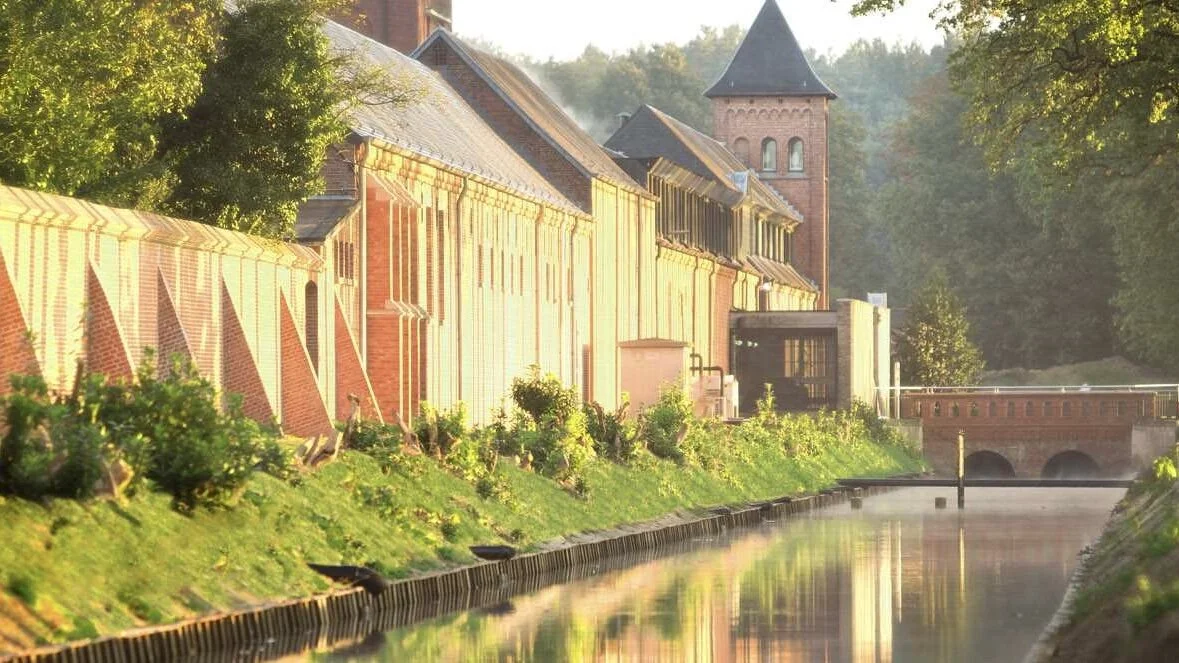
The Making of a Classic: Schneider Weisse
A lot of breweries make weissbiers, and some are served worldwide. Yet if we go looking for the classic example, the ur-weiss of the modern era, all roads lead to Kelheim.
Read More
Westmalle Tripel: A Story of Evolution
Now, of course, amber and brown ales are rare—blonds proliferate. This seems barely worth mentioning, since it mirrors the trends everywhere else, but consider this: The radicals at the forefront of this evolution in Belgium were Trappist monks. In particular, the ones brewing at Westmalle.
Read More