The Election And Its Stakes
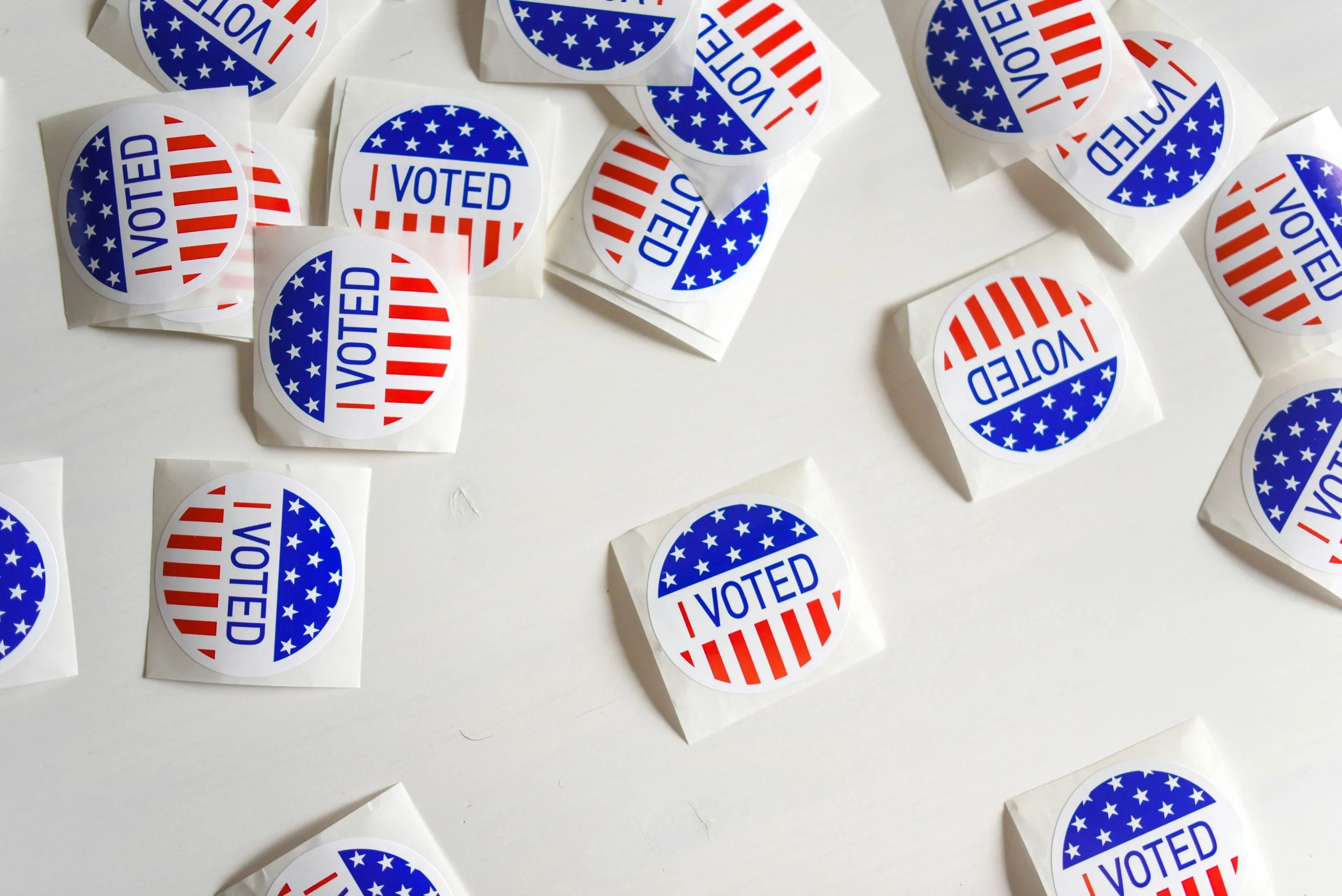
I have been a lifelong political animal, dating back to the 1970s, and I’ve written about politics a fair amount—but only very sparingly on this site. Longtime readers know the reason. I am a big believer in the mantra that “politics divide; beer unites.” We should all be able to find communion with one another on the barstool.
You knew there was a “however” coming, didn’t you? Here it is. However, we have an election in a little less than a month, and it has the potential to have a major effect on the economy, and by extension, the beer industry. While no one is talking about it, the election will easily have the biggest impact on the beer industry over the next four years. So, with apologies, I’m going to discuss the stakes. I value the site’s readers and commenters, and I think we’re all capable of an objective discussion of the stakes in this election. For the discussion here, I’m only going to address the issues that will affect the beer industry.


Sometime during the week of November 4, if we’re lucky, we’ll know who the new president is. If Kamala Harris wins, nothing much will change. Things will carry on as they are now. Harris promises a thoroughly conventional administration. There’s a big tax fight set for 2025, but it merely concerns tax breaks the Trump administration passed in 2017. The scale of change under a Harris administration will be incremental and wholly typical of the US government.
If Donald Trump wins, it’s a different matter. He has a number of proposals, some that extend work he began in his first term, that will have a huge impact on the economy. Three of these items are major Trump priorities, and we can be sure he’ll at least pursue them. The last one is less certain. In American politics, it takes two branches to pass laws, so Trump’s agenda depends in part on which party wins the House and Senate. Nothing is ever guaranteed. These are Trump’s proposals, however, so let’s take them at face value.
10-20% across-the-board tariffs; 60% tariffs on China. Trump is a mercurial politician, and he’s also threatened selective tariffs on countries and companies that displease him in addition to these states tariffs. Economists project that these tariffs would spike inflation by 2 percentage points and shrink the economy by 1%. They would cost the median household $2,600 a year. If the tariffs rise by only 10%, they would cost the US 70,000 jobs a month, according to Morgan Stanley—more if he goes up to 20%. Given that he implemented tariffs in his first term, these are real possibilities.
Extend tax cuts to business and the wealthy. Trump’s 2017 Tax Cuts and Jobs Act is due to expire in 2025. He wants to both preserve the original provisions and extend others. The details are complex—he’s also proposed lifting taxes on Social Security, which would further shrink revenues—but the effect would be to blow something like a $5.8 trillion hole in the deficit over the next decade. Given that this was the signature policy accomplishment of Trump’s first term, there’s every reason to believe he will follow through with his proposals to extend it in 2025. Congressional Republicans are also highly motivated in their support.
Mass deportation. Leaving aside the logisticaland legal issues with this proposal, its cost would be tremendous. Various groups have looked at this proposal—such as it is—and found that deporting all undocumented immigrants would reduce our annual GDP by around 5% a year. It would also increase inflation by three percentage points and reduce annual tax revenue by $100 million. It’s harder to evaluate whether a Trump administration could pull this off, and how many people they would seek to deport, but immigration is his signature issue, so it’s a very real possibility.
Eliminate the independence of the Federal Reserve. This one is a more speculative concern—Trump has only commented on it in passing—but potentially consequential. As the Fed has been slow to lower interest rates, Trump has commented that he’d like more control. And no doubt he would: Congress made the Fed independent so political actors wouldn’t tweak the economy before elections. Fiddling with monetary policy to create short-term political benefit has long-term consequences, potentially very serious ones. That’s why Congress made the Fed such an independent agency.
Taken together, these policies would be catastrophic for the economy, with GDP down 3.8 to 9.7% by the end of Trump’s term. In the same time period, employment would fall between 2.7% and 9%, while inflation would peak at between 6% and 9.3%, and consumer prices—this includes beer—would rise between 20% and 28%. These estimates contain very wide uncertainty bands because it’s impossible to know what the final policies look like, whether he pursues them all, and how soon they go into effect. But even on the lowest end, those are extremely serious numbers. To take just one of the impacts, Americans are still losing their shit over the inflation rate, which has averaged 3.2% over the past twelve months. If inflation rose to a stable 6%, that alone would scramble business plans across every industry.
(Do conservative think tank and researchers forecast different outcomes than nonpartisan ones? Not really. The anti-tax Tax Foundation found that extending the Trump tax cuts would be marginally beneficial to U.S. GDP, but increase the deficit by $6.2 trillion. They and every other group I’ve found think the tariffs would seriously damage the economy. Likewise, I’ve seen no research suggesting the deportation plan would be anything but a substantial net negative for the economy.)
There are a cascading number of knock-on effects of these actions, few of them good. Mass deportations would reduce the number of farm workers by an estimated 22%. How would this affect barley and hop farmers? Rising inflation, as we know from the past few years, slows consumer spending. How much would that further dent the sales of beer? Inflation also makes the stock market more volatile and hurts long-term returns. I’m not an economist so we’re already running out of the examples that spring to my mind, but you see how all these effects become cumulative.
There are a lot of reasons to favor Harris or Trump and I’m not going to touch on those—plenty of sites will detail their positions on abortion, immigration, health care, foreign policy, and the like. These economic issues will directly affect the beer industry and all its parts: the incomes of people buying the beer, the cost of labor and inputs, and businesses working in this economy. You may consider these alarmist positions and imagine that Trump would never do the things. But consider that he has not only plainly proposed three of them, but he has already begun work on two of the four.
Every voter makes decisions based on myriad factors. You may disapprove of some or all of these proposals and still conclude Trump is the better candidate. If the economy is near the top of your list, and if you’re thinking about the beer industry, please consider the candidates’ proposals about what they’d actually do. From where I sit, the choice will have large ramifications for the economy—including the beer industry.